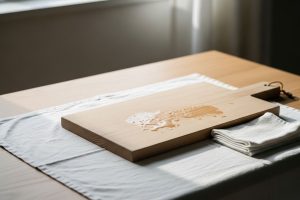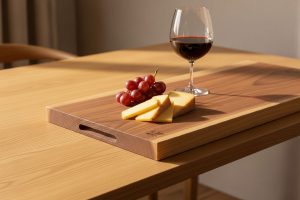
Bamboo cutting boards are eco-friendly and durable, but the question remains: Are Bamboo Cutting Boards Dishwashers Safe? Heat, moisture, and detergents often damage traditional boards. However, new innovations like Koppen’s treated designs offer sustainable options that truly withstand dishwasher cleaning.
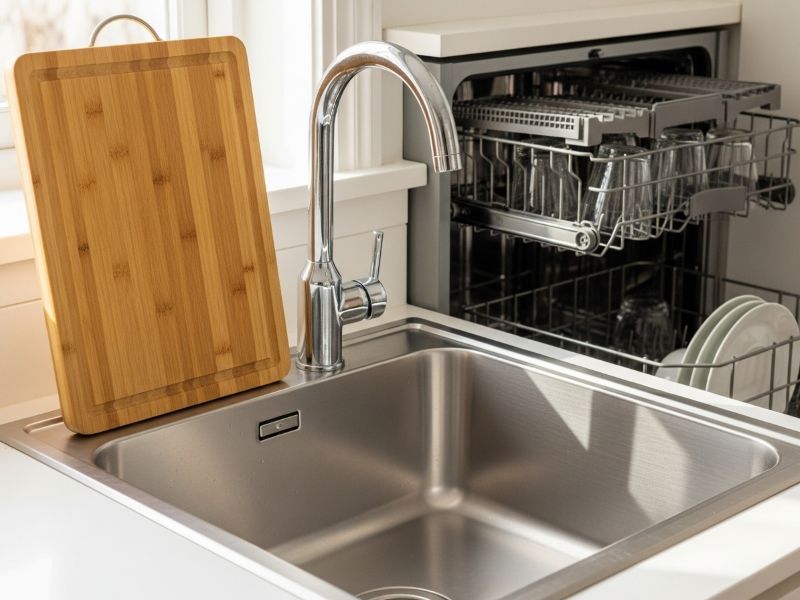
1. Are Bamboo Cutting Boards Dishwasher Safe?
The straightforward answer is no – Most bamboo cutting boards cannot safely go in dishwashers. Their natural composition makes them vulnerable to the intense heat, moisture, and detergents found in dishwashers. While bamboo is tougher than many woods and offers excellent resistance to knife marks, its layered construction is the weak point. Most bamboo boards are made by compressing strips of bamboo fibers and bonding them together with food-safe adhesives. This method creates a durable, smooth surface but one that cannot withstand the harsh environment of modern dishwashers.
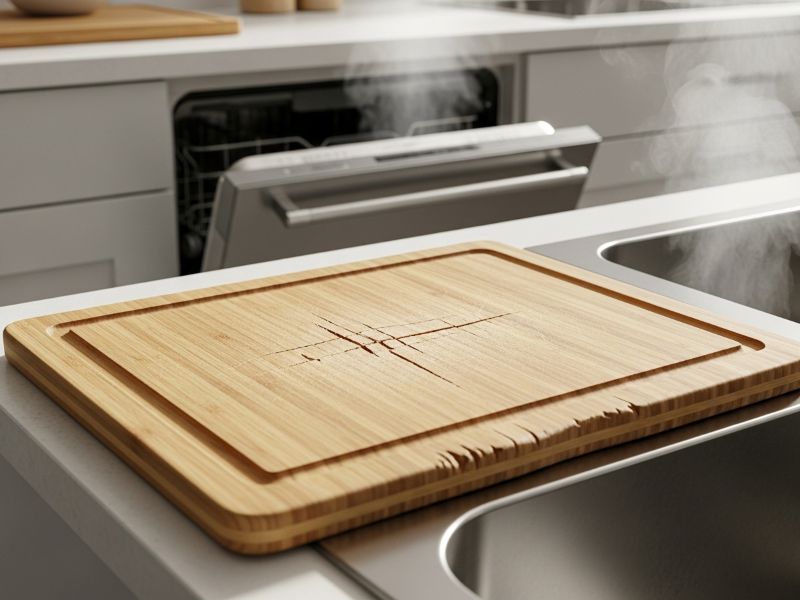
Heat is the primary problem. Standard dishwasher cycles reach 140–160°F, with drying cycles climbing above 180°F. These temperatures gradually weaken the glues holding bamboo strips together, leading to separation at the seams or outright delamination.
Moisture and steam add to the damage. Bamboo fibers naturally absorb water, and prolonged steam exposure inside a sealed dishwasher chamber causes the fibers to swell unevenly. Over time, this leads to warping, splitting, and instability on kitchen counters.
Detergents create a third threat. Commercial dishwasher soaps are alkaline and designed to break down grease and food residue. Unfortunately, they also strip away the natural oils in bamboo, leaving the surface dry and brittle. This chemical wear results in surface cracks and premature aging.
Finally, long cycle times magnify every risk. A single dishwasher run can last two to four hours, subjecting bamboo to continuous stress from heat, steam, and detergents. Even “eco” or lower-heat cycles still expose the board to damaging conditions over repeated washes.
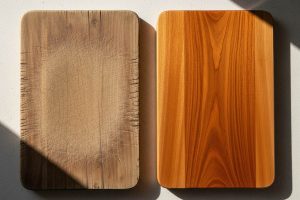
The cumulative effect is clear: a bamboo cutting board that could last 5–7 years with proper hand washing may start showing damage after just a few months in the dishwasher. Common warning signs include seam separation, warping, rough texture, and surface cracks.
In short, while the common bamboo cutting boards excel in sustainability and durability, they are not built for dishwashers. Hand washing with mild soap, warm water, and regular oil treatments remains the only way to preserve their lifespan.
2. How to Clean Bamboo Cutting Boards Without Using the Dishwasher
Proper cleaning techniques can extend bamboo cutting board life while maintaining food safety standards that protect your family’s health. Hand washing requires more time than dishwasher convenience but preserves the investment you made in quality bamboo boards.
Step 1: Immediate Rinse and Wash
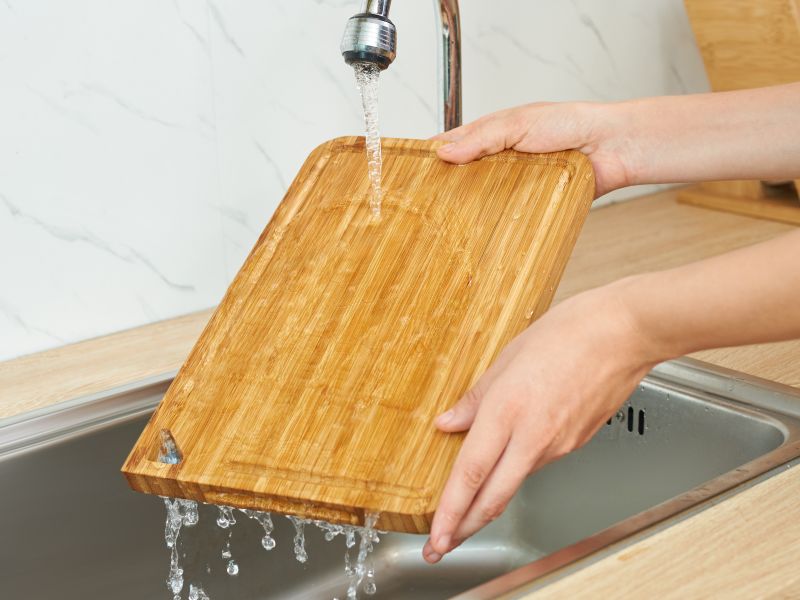
Start cleaning right after use. Hold the board under warm running water to loosen food particles, then apply a mild dish soap. Scrub gently in circular motions with a soft sponge, paying attention to knife grooves where food residue can hide. Avoid soaking bamboo in the sink, as prolonged water exposure causes swelling, warping, and eventual splitting.
Step 2: Thorough Drying Process
After washing, pat the board dry with a clean towel. Stand it upright in a well-ventilated space so air can circulate around all sides. Quick and complete drying is crucial, as damp boards stored in cabinets may trap moisture, leading to bacterial growth or mold.
Step 3: Sanitization Options
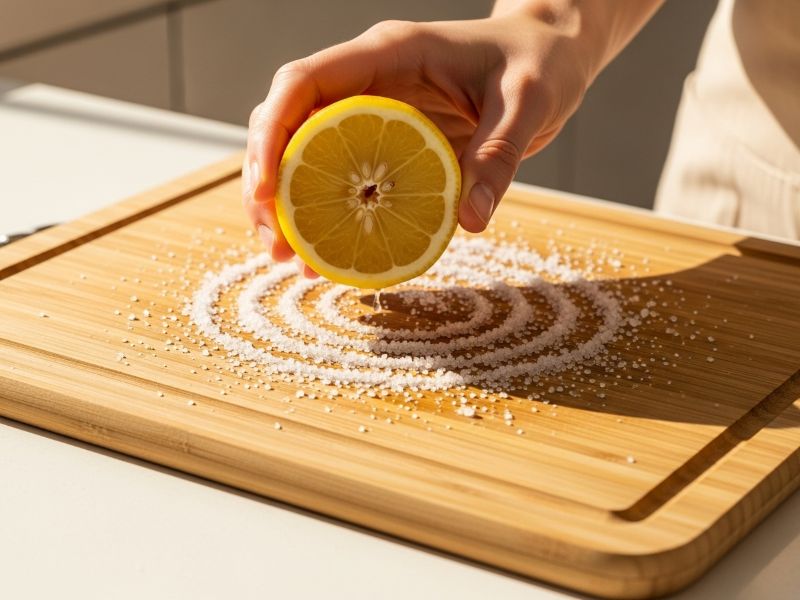
Beyond daily cleaning, periodic sanitization adds another layer of protection. Traditional, chemical-free methods work best for bamboo. Sprinkle coarse salt on the board and scrub with half a lemon to disinfect while removing stains and odors. White vinegar also works effectively—spray it directly, let it sit for 5–10 minutes, then rinse. Baking soda can be made into a paste to neutralize stubborn smells from foods like garlic or fish.
Step 4: Oil Maintenance
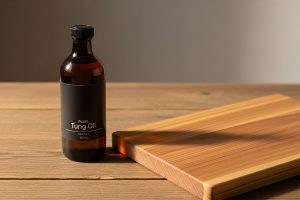
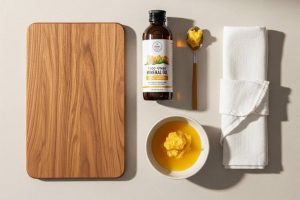
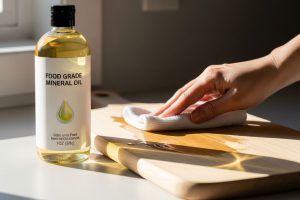
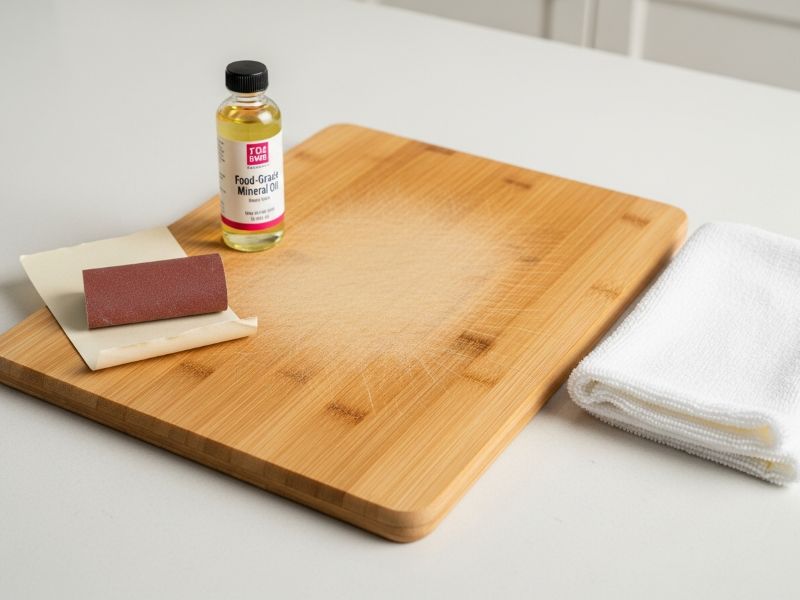
Monthly oiling helps bamboo retain moisture balance and resist bacteria. Apply food-grade mineral oil with a clean cloth, rubbing it into the grain. Leave the board to absorb the oil overnight, then wipe away excess. Avoid over-oiling, which can leave a sticky surface.
Step 5: Surface Restoration
Over time, deep cuts may trap bacteria. Light sanding with fine-grit sandpaper smooths the surface and eliminates potential harborage points. After sanding, wash away dust and reapply mineral oil to protect the fresh surface.
This maintenance routine requires more effort than dishwasher cleaning but preserves bamboo cutting boards for years of safe use. The time investment pays dividends in board longevity and continued food safety.
But are there any bamboo boards that can go in the dishwasher?
3. Is There Any Kind of Bamboo Cutting Board That Can Go in the Dishwasher?
Recent innovations in bamboo processing have created rare exceptions to the traditional prohibition against dishwasher use. These specially engineered cutting boards represent breakthrough technology that maintains bamboo’s environmental benefits while adding dishwasher compatibility.
Koppen has developed revolutionary dishwasher-safe bamboo cutting boards that challenge conventional assumptions about bamboo’s limitations. These boards utilize advanced manufacturing processes and proprietary treatments that address the fundamental issues that typically make bamboo incompatible with dishwasher cleaning.
The Koppen dishwasher-safe bamboo cutting boards feature a three-layer laminated structure that provides superior stability compared to traditional bamboo construction. This engineering approach distributes stress more evenly across the board surface, reducing the likelihood of separation or warping under dishwasher conditions.
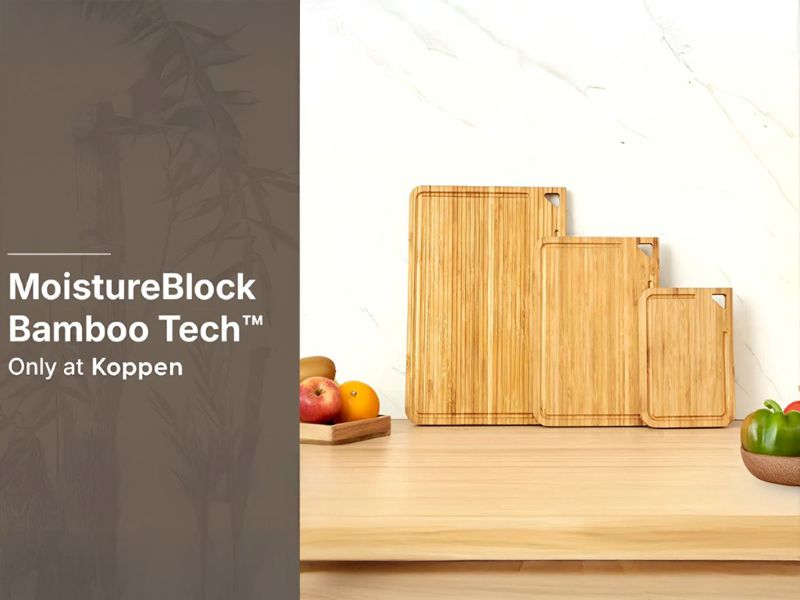
MoistureBlock™ Bamboo Tech 3-Layer Cutting Board
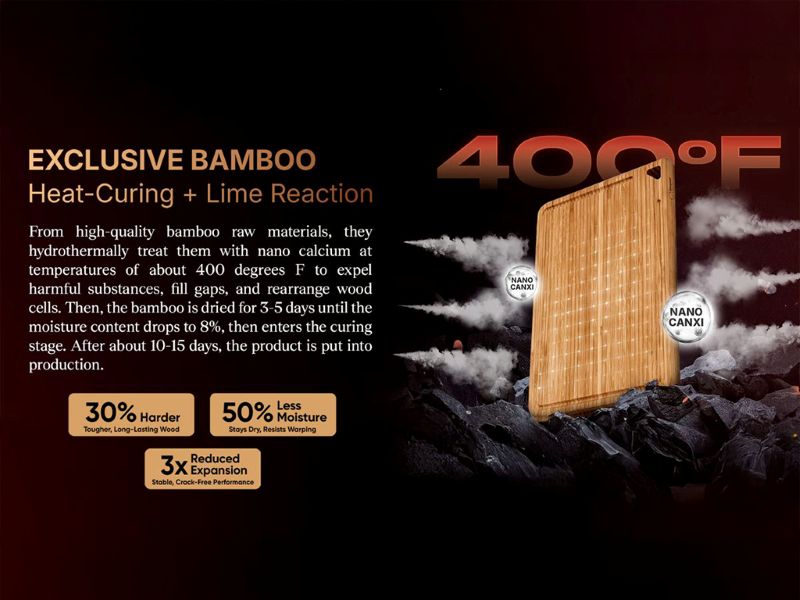
Koppen’s MoistureBlock™ technology marks a next-generation innovation in bamboo cutting board design, engineered to overcome the moisture and heat challenges that have long limited bamboo’s durability. This proprietary treatment is applied with precision at the structural level, creating an invisible shield that locks out excess water while preserving bamboo’s natural resilience and knife-friendly surface.
Where ordinary bamboo succumbs to swelling, warping, and splitting, boards enhanced with MoistureBlock™ maintain their form and strength. They remain dimensionally stable and thermally resilient even under prolonged dishwasher cycles and high kitchen heat — conditions that quickly degrade conventional boards. The result is a bamboo cutting board with extended lifespan, reliable performance, and enduring beauty, protected by technology that remains exclusive to Koppen.
Read more: MoistureBlock Technology: How Koppen Transforms Bamboo and Wood into Premium Kitchenware
Engineering for Extreme Conditions
Koppen’s MoistureBlock™ technology marks a next-generation innovation in bamboo cutting board design, engineered to overcome the moisture and heat challenges that have long limited bamboo’s durability. This proprietary treatment is applied with precision at the structural level, creating an invisible shield that locks out excess water while preserving bamboo’s natural resilience and knife-friendly surface.
Where ordinary bamboo succumbs to swelling, warping, and splitting, boards enhanced with MoistureBlock™ maintain their form and strength. They remain dimensionally stable and thermally resilient even under prolonged dishwasher cycles and high kitchen heat — conditions that quickly degrade conventional boards.
The result is a bamboo cutting board that is 30% stronger, absorbs up to 50% less moisture, and delivers a lifespan up to three times longer than untreated bamboo — ensuring reliable performance and enduring beauty backed by technology exclusive to Koppen.
Environmental Impact and Convenience Balance
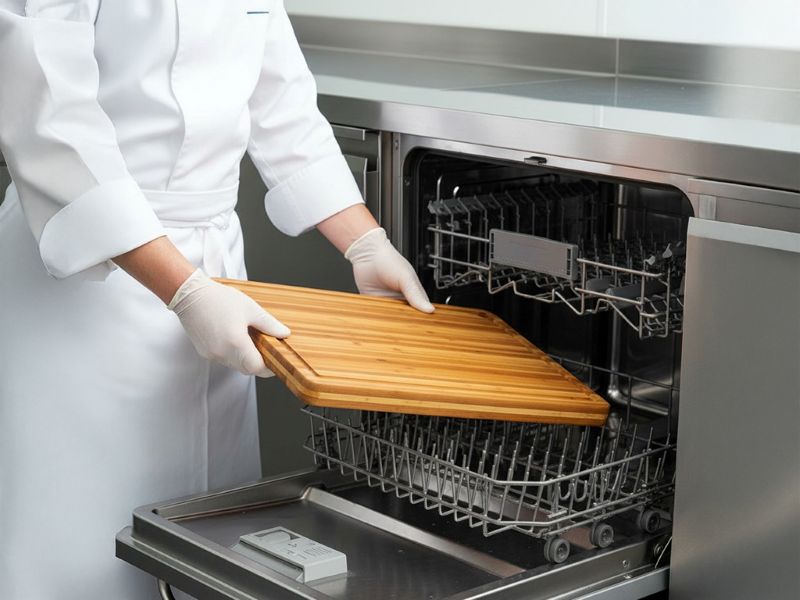
This innovation solves a long-standing dilemma for eco-conscious cooks who previously had to choose between bamboo’s sustainability and the dishwasher convenience of plastic. With Koppen Dishwasher Safe Bamboo Cutting Board, home kitchens can enjoy bamboo’s environmental benefits, superior knife preservation, and natural antimicrobial properties—without the maintenance burden of hand washing.
This innovation represents more than incremental improvement—it fundamentally changes the category by eliminating the primary barrier to bamboo cutting board adoption in dishwasher-dependent households. The technology opens bamboo cutting boards to market segments that previously relied on plastic or composite materials solely for dishwasher compatibility.
Keechee – Dishwasher-Safe Bamboo Cutting Board
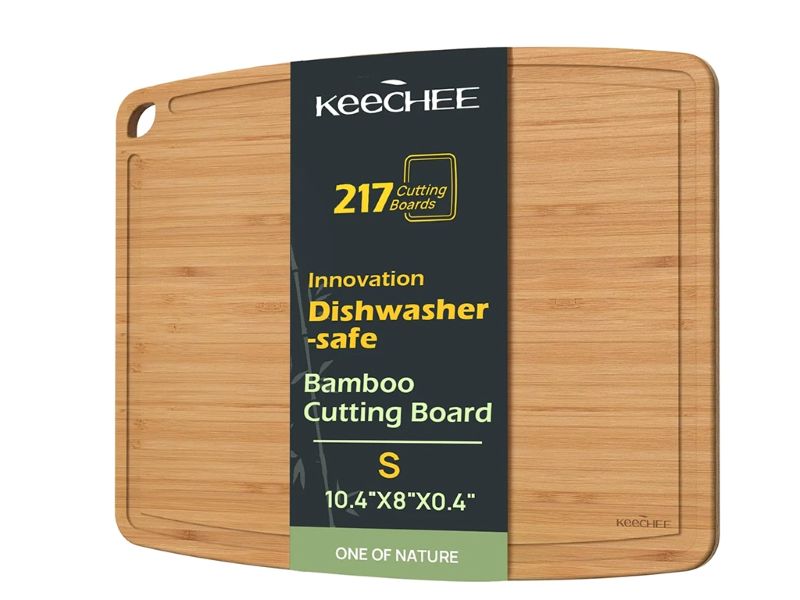
At the heart of Keechee’s dishwasher-safe bamboo board lies its carbonized treatment technology, a process that exposes bamboo fibers to high heat and pressure. This deep carbonization not only hardens the surface but also enhances water resistance and thermal stability, ensuring the board withstands conditions that would quickly damage untreated bamboo. To prove its durability, each board undergoes rigorous testing cycles under high-pressure steam, elevated temperatures, and repeated dishwasher runs—far beyond the everyday stresses of a home kitchen.
Lightweight Design with Everyday Practicality
This cutting board has sold in high volumes on Amazon, quickly earning the Amazon’s Choice badge. Its popularity highlights how well it meets everyday kitchen needs, proving that even a slim and lightweight board can deliver strong performance trusted by thousands of buyers.
Measuring just 0.4 inches thick and weighing only 1.26 lbs, it remains easy to handle and store without sacrificing durability. The three-layer cross-laminated construction prevents glue line separation and minimizes warping, while the dual-surface design—one side with a juice groove, the other smooth—adds versatility for both food prep and presentation.
How does bamboo compare to other materials in the dishwasher?
4. Bamboo vs. Other Cutting Board Materials in the Dishwasher
Understanding how different cutting board materials perform in dishwashers helps home cooks make informed decisions about which surfaces best meet their needs. Each material offers distinct advantages and limitations that become more pronounced under dishwasher conditions.
| Material | Dishwasher Safe | Advantages | Disadvantages | Cost Range |
|---|---|---|---|---|
| Traditional Bamboo | No | Eco-friendly, knife-gentle, naturally antimicrobial | Warps, cracks, splits in dishwasher heat | $15-40 |
| Dishwasher-Safe Bamboo (Koppen) | Yes | All bamboo benefits plus dishwasher convenience | Limited availability, higher initial cost | $35-60 |
| Hardwood (Maple, Cherry) | No | Beautiful, durable, excellent knife feel | Cracks severely in dishwasher, requires oiling | $40-120 |
| Plastic (HDPE, Polypropylene) | Yes | Lightweight, inexpensive, dishwasher safe | Shows knife cuts, harbors bacteria in grooves, stains easily | $8-25 |
| Composite (Wood fiber/resin) | Yes | Durable, dishwasher safe, consistent performance | Expensive, heavier, can dull knives faster | $50-100 |
| Tempered Glass | Yes | Non-porous, easy to clean, won’t harbor bacteria | Extremely hard on knife edges, can shatter, slippery when wet | $20-45 |
Hardwood Performance in Dishwashers
Traditional hardwood boards like maple and walnut struggle the most in dishwashers. Their dense grain structures react poorly to heat and moisture, often splitting dramatically along grain lines. Even with careful hand washing, hardwood requires frequent oiling, making them high-maintenance and impractical for households seeking convenience.
Plastic Board Limitations
Plastic cutting boards (HDPE, polypropylene) are dishwasher-safe but come with trade-offs. Knife cuts quickly create grooves that harbor bacteria, which may survive even hot wash cycles. Plastic also stains easily from tomatoes, turmeric, and berries, leaving boards looking worn and less hygienic over time.
Composite Material Trade-offs
Wood fiber–resin composites deliver excellent dishwasher durability and resist warping or splitting. However, they tend to be heavy, costly, and harsher on knives than natural wood. Their production is also energy-intensive and less eco-friendly than bamboo, making disposal and sustainability concerns harder to ignore.
Glass Board Considerations
Tempered glass boards excel in dishwasher safety but can dull knives rapidly and even pose breakage risks. Their slick surface becomes slippery when wet, and the loud noise of knives on glass makes them unpopular in many home kitchens despite easy cleaning.
Positioning Bamboo Advantages
Bamboo cutting boards balance performance, safety, and sustainability better than most alternatives. They’re lighter than hardwood or composites, more eco-friendly thanks to rapid renewability, and naturally antimicrobial. Knife-friendliness reduces blade dulling, while dishwasher-safe innovations like MoistureBlock™ now offer convenience without compromising durability.
5. Final Verdict: Should You Put a Bamboo Cutting Board in the Dishwasher?
For most bamboo cutting boards, the answer is no. Heat, moisture, and detergents in dishwashers cause warping, cracking, and adhesive failure. Hand washing with soap and water, proper drying, and occasional oiling remain the safest way to preserve durability and food safety.
The exception lies in new technologies. Koppen’s MoistureBlock™ treatment allows bamboo to resist water absorption and thermal stress, making certain boards genuinely dishwasher-safe. These innovations solve the long-standing compromise between eco-friendliness and convenience.
Care Tips
- Oil monthly with food-grade mineral oil.
- Inspect for cracks or deep grooves.
- Store upright in ventilated areas.
Replacement Signs
Replace boards if they develop persistent odors, warped surfaces, or deep cuts that can’t be sanded smooth.
Making the Choice
- Traditional bamboo: affordable, sustainable, and long-lasting with proper care.
- Dishwasher-safe bamboo: ideal for busy households wanting convenience without switching to plastic.
Both options protect knife edges better than glass or plastic and remain more sustainable than hardwood alternatives.
The future of bamboo cutting boards lies in the technological advances that preserve bamboo’s inherent advantages while addressing practical limitations that have restricted broader adoption. Whether you choose traditional care methods or embrace dishwasher-safe innovations, bamboo cutting boards offer sustainable solutions that support both environmental responsibility and excellent culinary performance.