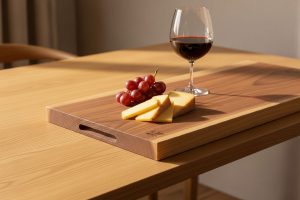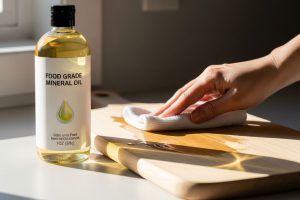
Glass cutting boards are popular in modern kitchens for their stylish, glossy surfaces. They don’t absorb odors or liquids, making them seem like a hygienic option. However, the question is whether their drawbacks outweigh their benefits for everyday cooking? The answer is more complex than it seems. Understanding both sides of the argument is crucial before deciding whether glass deserves a permanent spot in your kitchen.
What Makes Glass Cutting Boards Different?
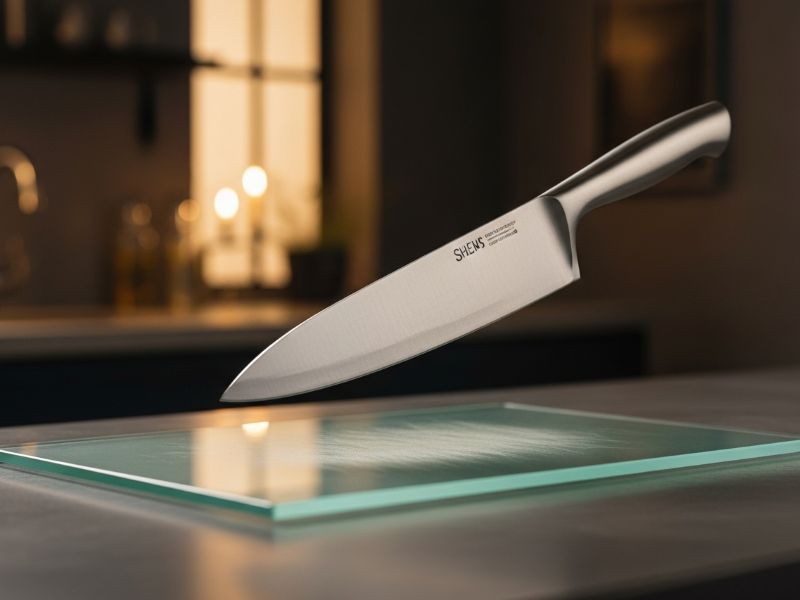
A glass cutting board is typically made from tempered glass, designed to withstand moderate pressure and resist shattering under normal use. Many come in clear, frosted, or decorated designs, sometimes doubling as kitchen decor when not in use. The most obvious advantage is the non-porous surface. Because glass does not absorb juices, oils, or smells, it remains resistant to stains and bacterial growth. For busy home cooks, this means a quick rinse or a cycle in the dishwasher can leave the board looking brand new.
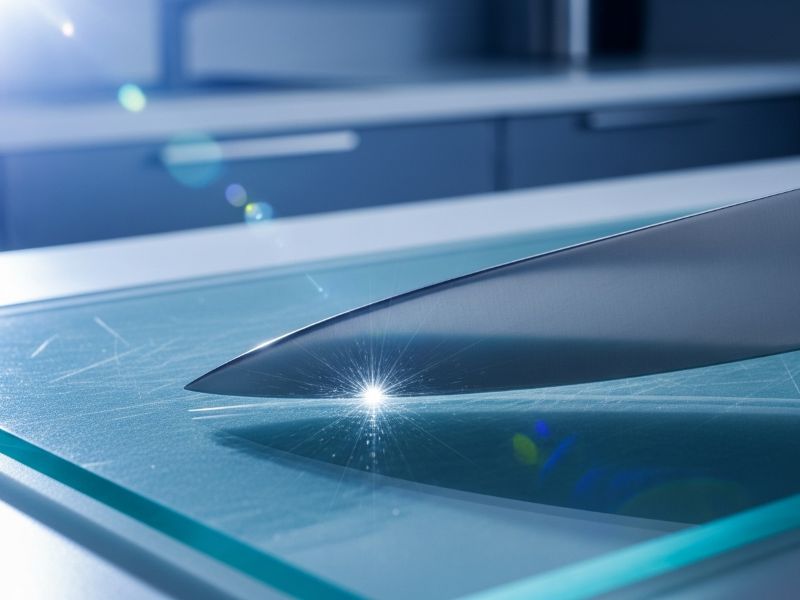
However, the very hardness that makes glass easy to sanitize also creates its biggest weakness. Glass is significantly harder than steel, which means that every knife stroke against the board wears down the blade edge. Glass doesn’t bend or give way when pressure is applied, unlike wood or bamboo, which can flex slightly. Over time, even high-quality chef’s knives lose their sharpness quickly when used on glass.
Knife Care and the Science Behind It
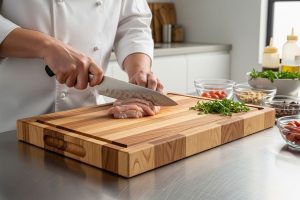
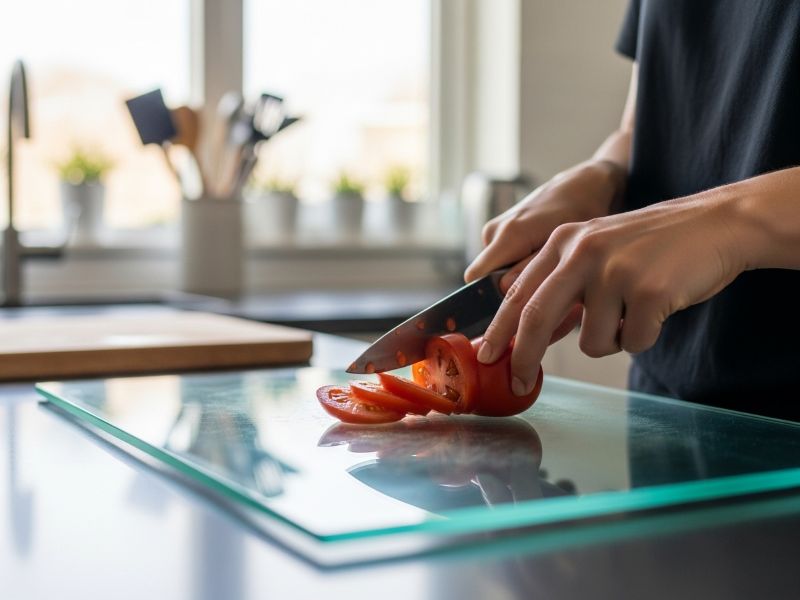
When considering the practicality of any cutting board, knife care becomes a central issue. Wooden boards, especially end-grain ones, are known for extending the lifespan of blades because they allow the knife to sink gently into the fibers without excessive resistance. Bamboo is harder than many woods but still far softer than glass, which makes it a fairly safe compromise. Plastic dulls knives more quickly than wood, but it still does not compare to the rapid edge wear caused by glass.
Research from the Cutlery and Allied Trades Research Association (CATRA) has shown that knives become blunt up to three times faster when used on glass compared to wood or plastic. This means more frequent sharpening, greater maintenance costs, and a higher chance of replacement. For professionals who rely on razor-sharp tools, this is a deal-breaker. For casual home cooks, the frustration of constantly dull knives can diminish the joy of preparing meals.
Advantages of Glass Cutting Boards
Exceptional Hygiene
From a hygiene perspective, glass cutting boards are among the cleanest surfaces available. Their non-porous nature prevents bacteria, juices, and food particles from seeping in. They can also withstand dishwasher heat without warping or absorbing detergent, ensuring a consistently sanitary surface after every wash.
Stain and Odor Resistance
Glass does not retain food smells, oils, or stains. Even after cutting garlic, onions, or colorful ingredients like beets, the surface remains spotless and neutral a major advantage over wood or plastic boards that often absorb lingering scents.
Heat Resistance
Many cooks value glass boards for their ability to handle hot cookware. They can safely double as trivets for resting pans or baking trays straight from the oven without fear of damage, adding functional versatility to the kitchen.
Aesthetic Appeal
Aesthetic design is another strong point. Glass boards can be clear, frosted, or feature decorative artwork, easily complementing a modern kitchen. Their sleek, glossy finish brings a premium, minimalist look that fits contemporary interiors.
Low Maintenance and Durability
Unlike wood, which requires regular oiling, or plastic, which wears down over time, glass demands almost no maintenance. It stays smooth and polished for years, maintaining its original appearance with minimal effort.

Disadvantages That Cannot Be Ignored
Rapid Knife Dulling
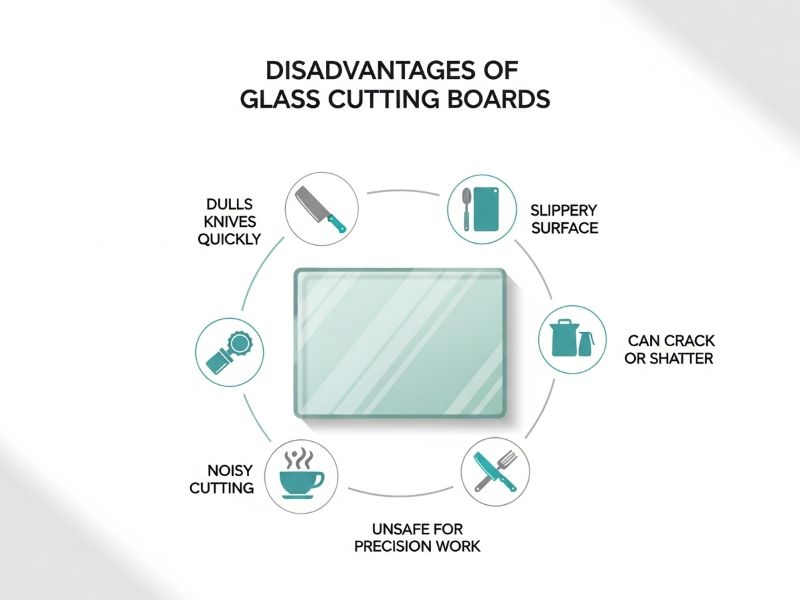
The extreme hardness of glass quickly destroys knife edges, far faster than any other cutting surface. Even high-quality blades lose their sharpness after repeated contact, leading to more frequent sharpening and reduced knife lifespan.
Unpleasant Noise During Use
The sharp clinking sound of a blade striking glass can be harsh and distracting. For many home cooks, this constant tapping turns meal preparation into an uncomfortable experience rather than an enjoyable one.
Slippery and Unsafe Surface
Because glass is perfectly smooth, ingredients can slide while cutting, increasing the risk of slips and accidental cuts. The lack of grip makes it less stable, particularly when handling wet foods or sharp knives.
Risk of Cracking or Shattering
Although tempered glass is made to be strong, it’s not unbreakable. A heavy pot or accidental drop can cause cracks or even shattering into sharp fragments, posing a potential safety hazard in the kitchen.
Lack of Tactile Feedback
Glass provides no resistance or texture, making precise cuts more difficult. Without the natural “give” that wood or bamboo offers, cooks lose a sense of control and accuracy – one reason why many professional chefs discourage its use for everyday chopping.
Read more: Top 5 Safest Cutting Board Materials for a Safer Kitchen
Alternatives and How They Compare
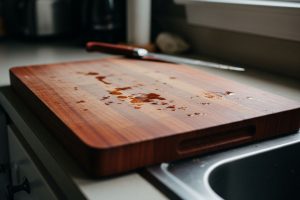
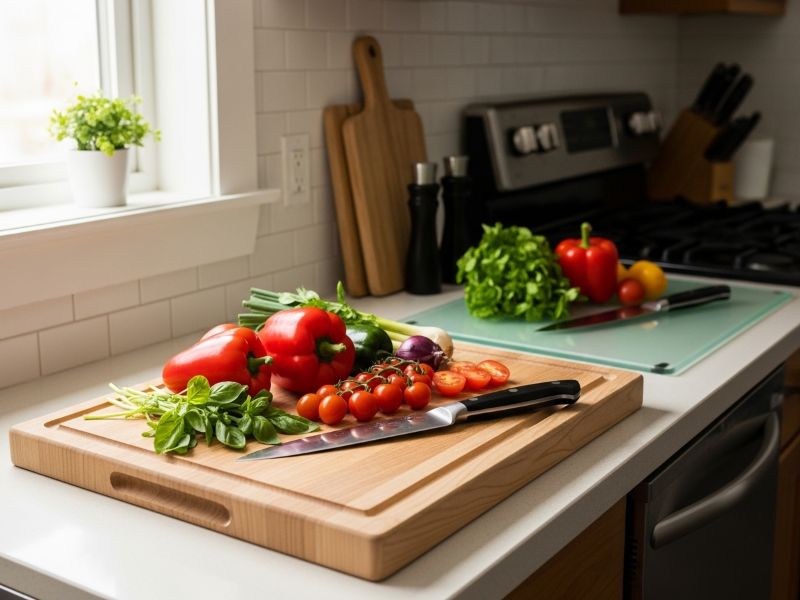
For cooks who need a dependable everyday board, wood remains the gold standard. Maple, walnut, and even teak boards provide a forgiving surface that protects knives while offering durability that can stretch across decades with proper care.
Bamboo is a popular alternative for eco-conscious households, combining sustainability with respectable knife-friendliness, though it can be slightly harder on blades than walnut or cherry.
Plastic boards excel when it comes to raw meat preparation, as they can be placed in the dishwasher at high heat without risk of damage. Compared to these choices, glass ranks lowest in knife care but highest in hygiene, which makes it best suited for serving and display rather than daily prep.
| Board Type | Best For | Knife Care | Hygiene | Cost | Lifespan |
|---|---|---|---|---|---|
| Wood (maple, walnut, teak) | Everyday chopping | Excellent | Good | $$ | 10+ years |
| Bamboo | Eco-conscious cooks | Very good | Good | $ | 5–10 years |
| Plastic | Raw meat & dishwasher use | Moderate | Excellent | $ | 2–5 years |
| Glass | Serving & display | Poor | Excellent | $ | Indefinite (board itself) |
When comparing these materials side by side, the trade-offs become clear. Wood strikes the best balance for everyday chopping, offering excellent knife preservation and a lifespan that can exceed ten years. Bamboo is affordable, eco-friendly, and versatile, though slightly less gentle on knives. Plastic is inexpensive and easy to sanitize, though it wears out within a few years and can scar deeply under knife use. Glass, while nearly indestructible in appearance and unmatched in cleanliness, damages knives quickly and creates safety risks during active chopping.
When Glass Boards Make Sense
There are circumstances in which glass cutting boards can serve a useful purpose. As serving trays, they are ideal for presenting cheese, charcuterie, or hors d’oeuvres in a visually appealing way. The cool, smooth surface also lends itself well to rolling pastry dough or working with confections that require a non-stick base. For kitchen decor, they can protect countertops while adding a stylish accent. In short, glass boards are at their best when used for presentation, light tasks, or non-cutting purposes rather than daily chopping.
Final Verdict – Are Glass Cutting Boards Good?
Glass cutting boards excel in hygiene, presentation, and non-cutting tasks, making them great for serving cheese, charcuterie, or baked goods. They’re durable, stain-resistant, and low-maintenance – but not ideal for serious cooking.
Their key drawbacks – knife dulling, slippery surfaces, noise, and potential breakage – outweigh their strengths for everyday use. For home cooks who chop, slice, and prep daily, wood or bamboo boards offer far better practicality and knife care.
In short, glass boards belong in the “serve and style” category, not the “prep and perform” one. If you value efficiency and knife longevity, a wooden or bamboo board remains the smarter choice.
Read more: Best Wooden Cutting Boards For Slicing, Chopping In 2025