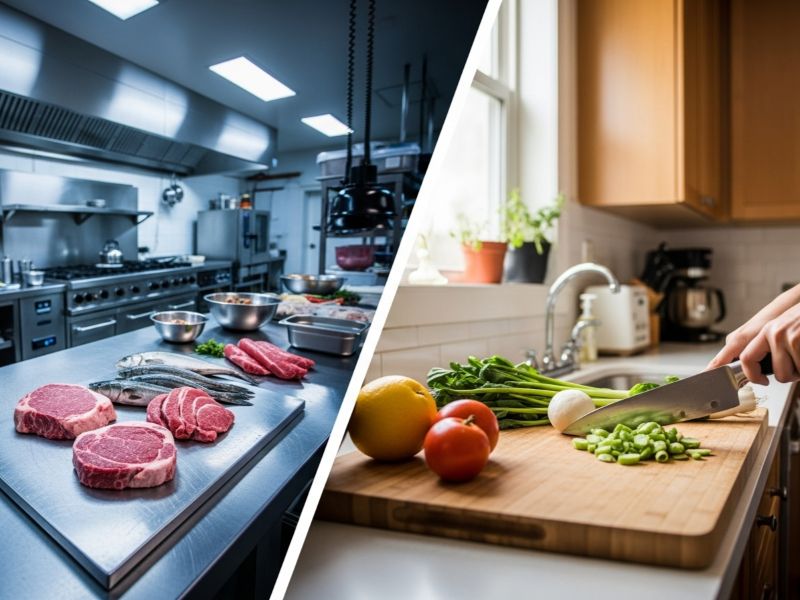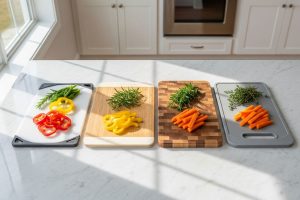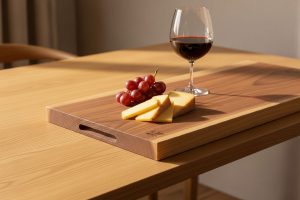
Stainless steel cutting boards stand out with their sleek look, unmatched durability, and easy-to-clean surface. They resist stains, odors, and bacteria better than almost any other material, which makes them a common sight in professional kitchens. But here’s the real concern for home cooks and chefs alike: what do they do to your knives? While stainless steel promises hygiene and long-lasting performance, it also raises serious questions about whether it’s truly the right choice for everyday food prep.
Are Stainless Steel Cutting Boards Good?
There’s no denying that stainless steel cutting boards excel in several important areas. While wood and bamboo require regular maintenance and plastic boards can harbor bacteria in scratches, steel offers a refreshingly low-maintenance alternative that appeals to busy cooks and hygiene-conscious kitchens.
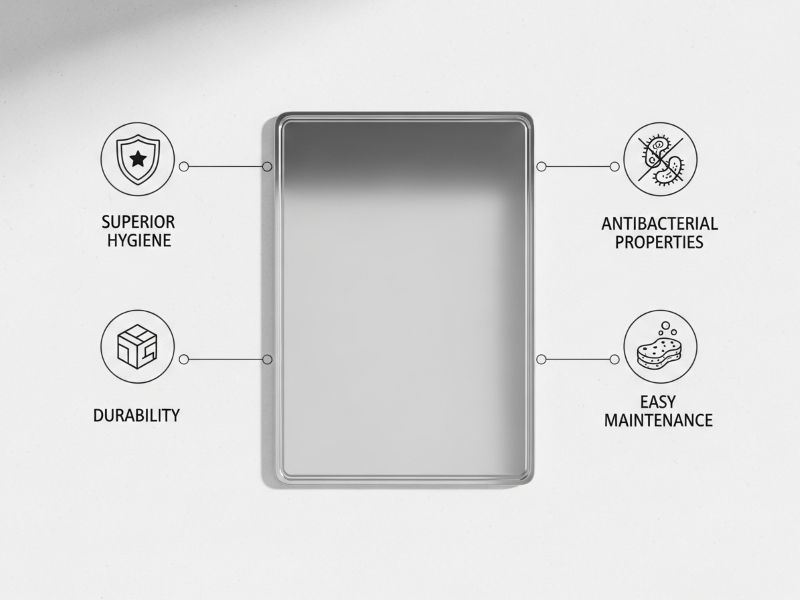
Superior Hygiene and Food Safety
The non-porous surface of stainless steel stands as its greatest advantage. Unlike wood or plastic, steel won’t absorb liquids, odors, or stains from pungent ingredients like garlic, onions, or fish. A simple wash with soap and water removes all traces of previous meals, eliminating concerns about flavor transfer between dishes. This characteristic makes steel boards particularly valuable when handling raw proteins – the surface won’t harbor dangerous bacteria that could lead to cross-contamination.
Natural Antibacterial Properties
Steel naturally resists bacterial growth and mold formation. While wood and bamboo can retain moisture in their fibers, creating ideal conditions for microorganism growth, steel’s impermeable surface offers nowhere for bacteria to hide. You can sanitize steel boards instantly with boiling water, sanitizing wipes, or even mild bleach solutions without damaging the surface. This explains why professional kitchens, seafood processors, and meat preparation facilities often choose steel surfaces.
Exceptional Durability
Investment in a steel cutting board means decades of reliable service. These boards won’t warp from moisture exposure, crack from temperature changes, or develop the deep grooves that plague plastic boards after extended use. The surface maintains its flat, stable form year after year, making it one of the most durable options available. For commercial settings where equipment faces heavy daily use, this longevity translates to significant cost savings over time.
Minimal Maintenance Requirements
Forget the regular oiling routine required for wood boards or the careful drying needed for bamboo. Steel boards need only basic cleaning – wash, rinse, and air dry. Most models are dishwasher-safe, offering maximum convenience for time-pressed cooks. This near-zero maintenance requirement makes steel boards particularly attractive for busy households and commercial kitchens where efficiency matters.
While these benefits make stainless steel cutting boards excellent for specific applications, their interaction with knife edges tells a different story.
Do Stainless Steel Cutting Boards Damage Knives?
Stainless steel cutting boards stand out with their sleek look, unmatched durability, and easy-to-clean surface. They resist stains, odors, and bacteria better than almost any other material, which is why they’re often chosen in environments where hygiene matters most. But here’s the real concern for home cooks and chefs alike: what do they do to your knives? While stainless steel promises hygiene and long-lasting performance, it also raises serious questions about whether it’s truly the right choice for everyday food prep.
Practical Kitchen Problems
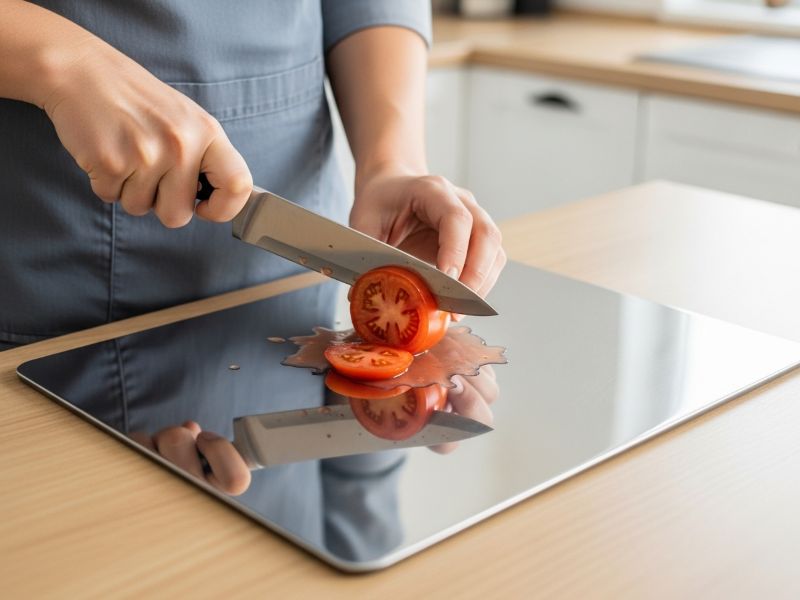
Beyond rapid dulling, steel boards create additional challenges in daily use. The hard surface offers no give, causing knives to slide unpredictably when cutting soft items like tomatoes or cheese. This slipping increases accident risk, especially for less experienced cooks. The loud clanging sound produced with every chop transforms peaceful meal preparation into a noisy affair – an often-overlooked drawback that affects the entire cooking experience.
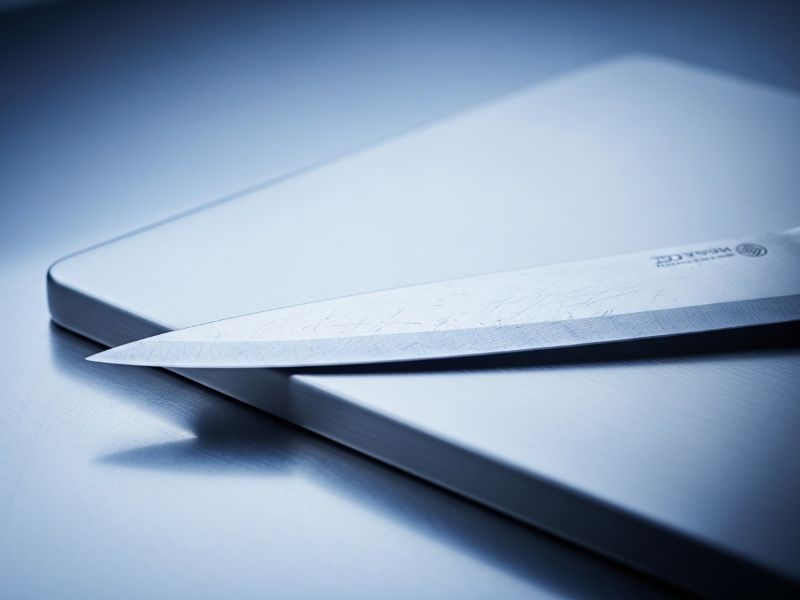
Regular knife sharpening becomes essential when using steel boards, adding time and expense to kitchen maintenance. Professional chefs who choose steel boards often sharpen their knives daily, a frequency impractical for home cooks. The verdict is clear: while steel boards excel at hygiene and durability, they’re decidedly knife-unfriendly.
When and Where to Use Stainless Steel Cutting Boards
When and Where to Use
Raw meat and poultry – Stainless steel cutting boards are excellent for handling raw chicken, beef, or pork because the non-porous surface won’t absorb juices or bacteria. This reduces the risk of cross-contamination and makes cleanup faster and safer.
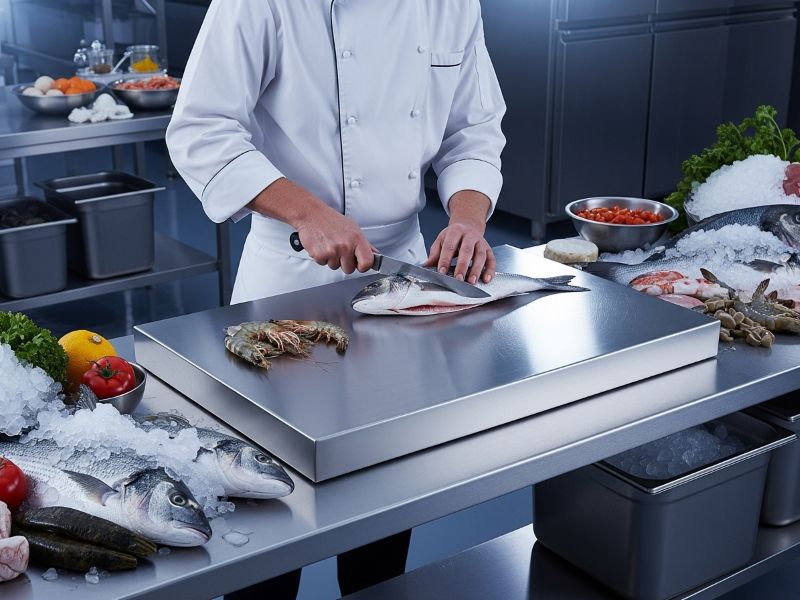
Seafood preparation – Steel’s odor-resistant quality prevents fishy smells from lingering. It’s a practical choice when filleting or cleaning large amounts of seafood, where hygiene matters more than knife longevity.
Commercial kitchens – In restaurants and large-scale operations, speed and durability are critical. Professional kitchens often prioritize quick sanitization and heavy-duty performance, even if it means sharpening or replacing knives more often.
Institutional settings – Healthcare facilities, school cafeterias, and food processing plants choose stainless steel boards to meet strict hygiene standards. In these environments, preventing contamination outweighs any concern about knife maintenance.
Read more: Top 5 Safest Cutting Board Materials for a Safer Kitchen
When and Where Not to Use
Everyday home cooking – For daily meal prep, stainless steel boards create more problems than benefits. Their harsh surface quickly dulls knives, turning routine chopping into a maintenance headache.
High-quality knives – Expensive chef’s knives and delicate Japanese blades shouldn’t be used on steel. The unforgiving surface accelerates dulling and can even chip thin, precision blades.
Precision tasks – Activities like julienning vegetables or slicing ripe fruits require control and finesse. On steel, knives tend to slip, making these tasks frustrating and potentially unsafe.
Noise-sensitive settings – The metallic clanging of knife against steel makes these boards unsuitable for open-concept kitchens or early morning cooking. For those who value a calm, meditative kitchen atmosphere, the noise is a deal-breaker.

Alternatives to Stainless Steel Cutting Boards
Not everyone suits a stainless steel cutting board – especially those who prioritize sharp knives and comfortable cutting experiences. Fortunately, several alternatives offer better solutions for most homes and professional kitchens.
Wooden Cutting Boards
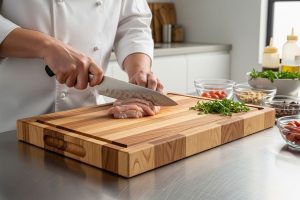
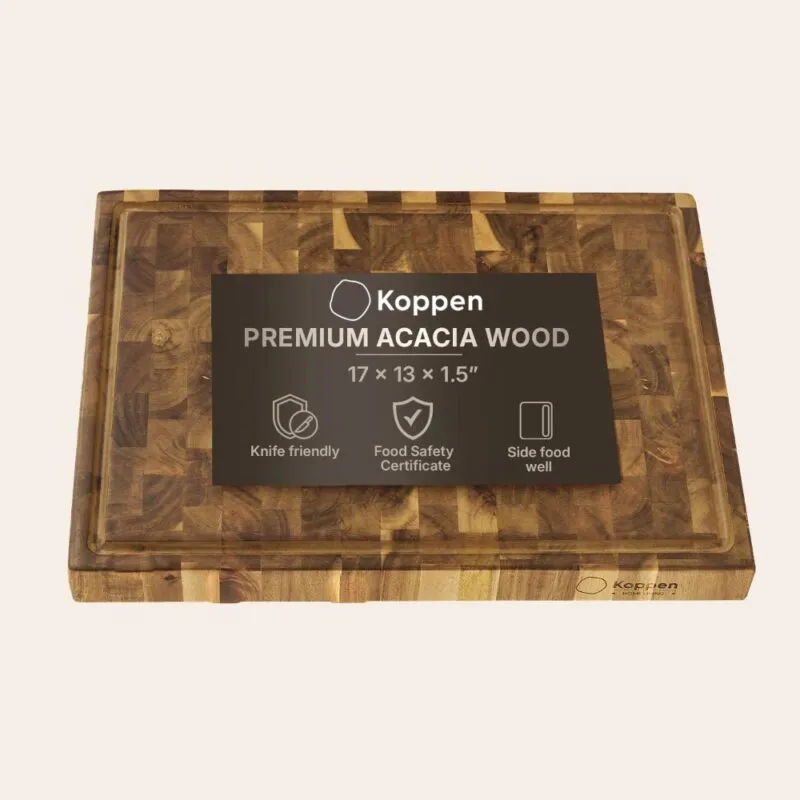
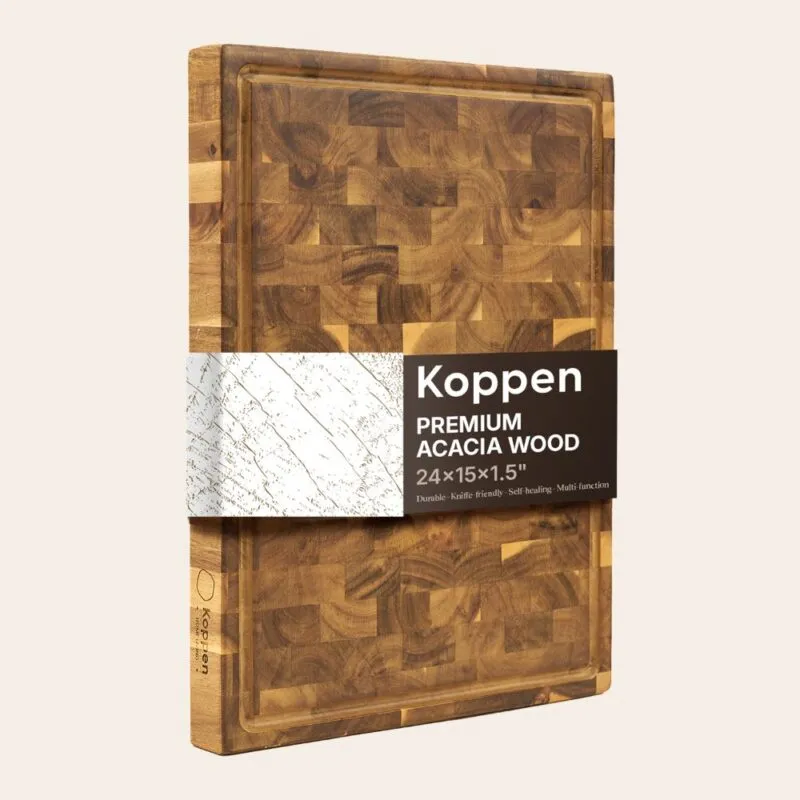
Wooden cutting boards remain the traditional gold standard in kitchens, trusted for centuries by both home cooks and professionals. Wood strikes the perfect balance: it’s durable enough to resist deep scratches yet gentle enough to preserve knife edges. Unlike stainless steel, knives stay sharp significantly longer on wood, making it a truly knife-friendly choice for daily use.
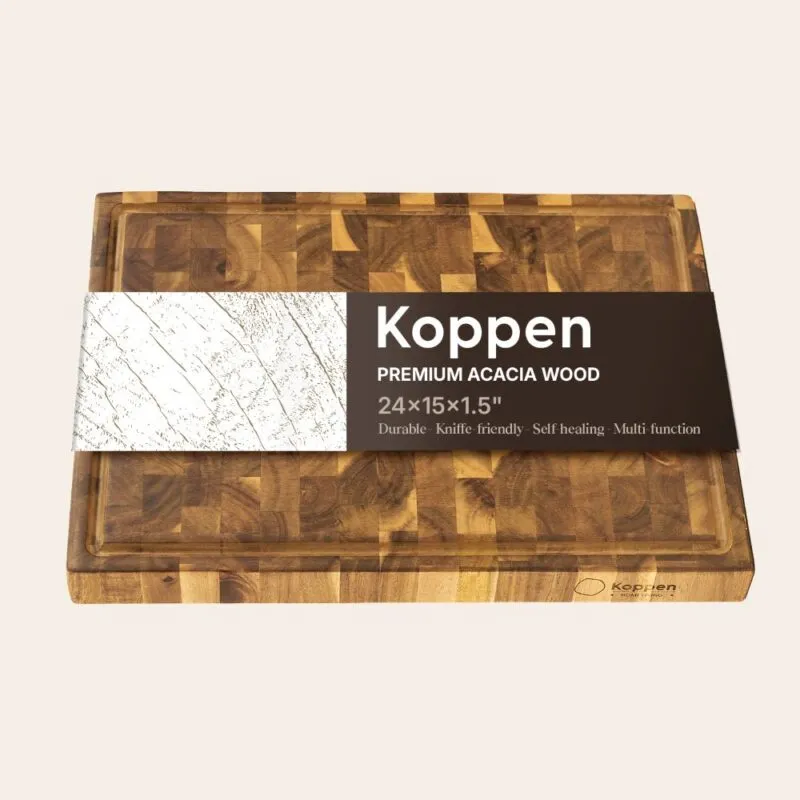
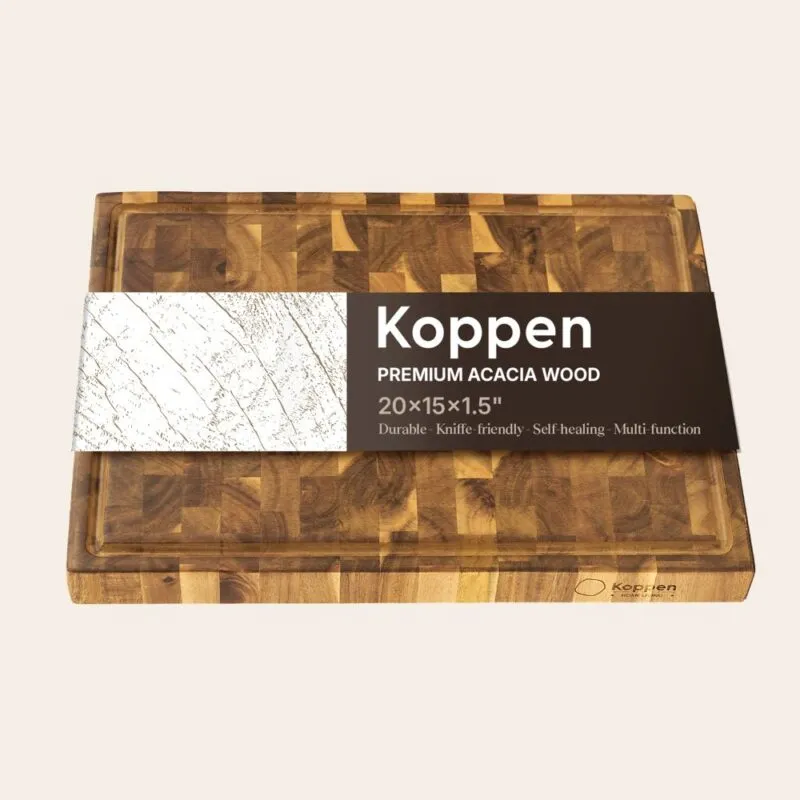
At Koppen Home Living, the end-grain acacia cutting board is engineered to be both durable and knife-friendly. Its unique “self-healing” structure – with wood fibers arranged vertically – absorbs cutting impacts and naturally closes minor marks. This design maintains the board’s appearance over time while offering an exceptionally forgiving surface for knives, helping to minimize blade damage and extend sharpness.


Bamboo Cutting Boards
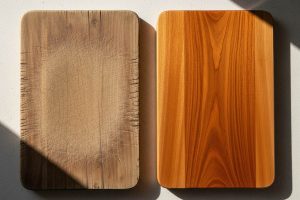
Bamboo offers a modern, eco-friendly alternative thanks to its rapid regeneration. Light, clean, and reasonably knife-friendly, bamboo has become popular in many kitchens. However, traditional bamboo boards often suffer from warping and cracking when exposed to moisture, limiting their lifespan and reliability.
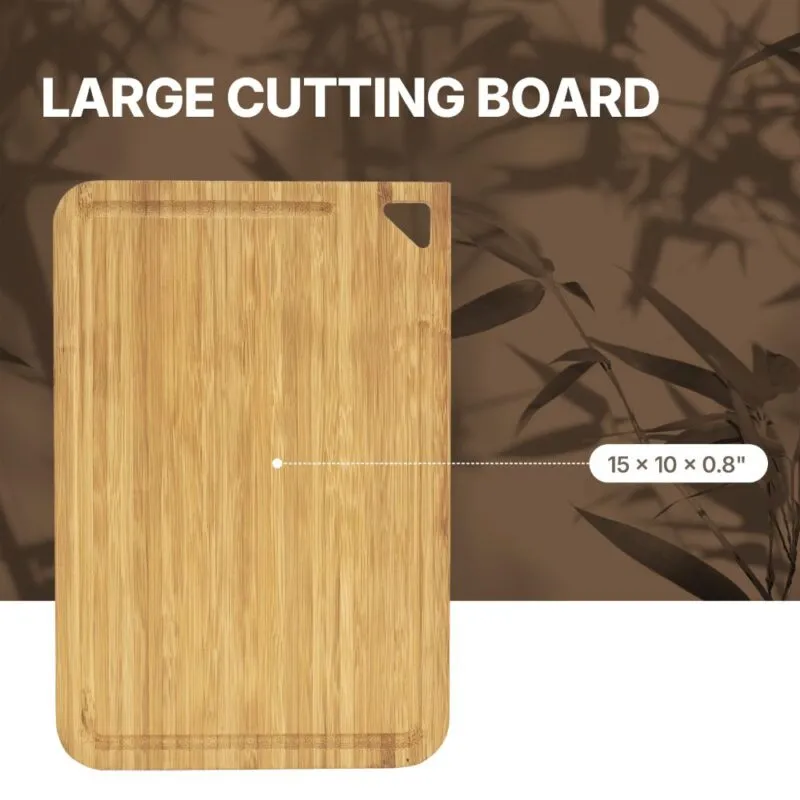
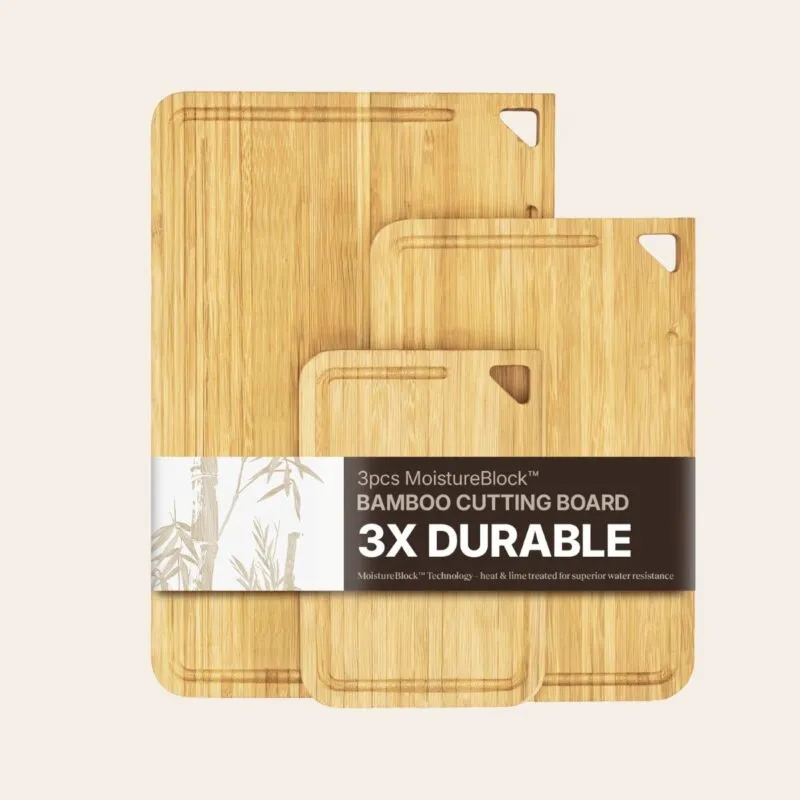
At Koppen Home Living, the MoistureBlock™ Bamboo Tech cutting board is engineered to overcome these limitations. Our treatment creates a barrier that locks out excess water, preventing cracks and maintaining stability even under heat and frequent use. Unlike ordinary bamboo, these boards can withstand dishwasher cleaning while preserving both durability and knife-friendliness. This makes them a strong alternative to stainless steel, combining hygiene, convenience, and long-term performance in one board.


Plastic Cutting Boards
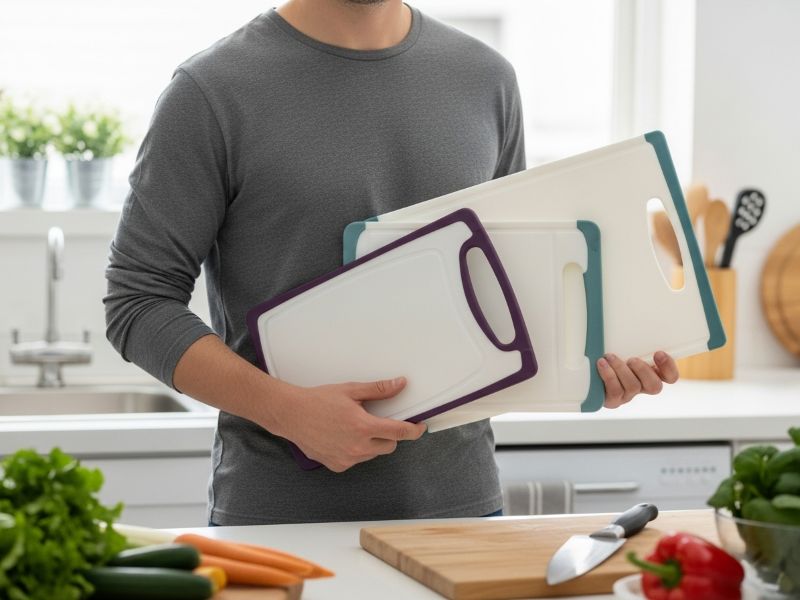
Plastic suits those seeking convenience and affordability. Lightweight plastic boards come in various colors for easy food categorization (red for meat, green for vegetables). However, plastic develops deep scratches that harbor bacteria, requiring frequent replacement. While gentler on knives than steel, plastic boards lack the longevity and natural antibacterial properties of quality wood or treated bamboo.
In commercial kitchens, plastic cutting boards are especially useful because they can be color-coded to prevent cross-contamination and comply with strict food safety systems such as HACCP. This makes it easier for restaurants, cafeterias, and food plants to separate raw meat, poultry, seafood, and produce while meeting regulatory guidelines from agencies like the FDA. Their lightweight design and low cost also make them practical for high-volume operations, where boards are replaced regularly as part of hygiene protocols.
Read more: What Are the Best Cutting Board Materials for Safety and Performance?
Final Verdict – Should You Buy a Stainless Steel Cutting Board?
Whether or not you should buy a stainless steel cutting board really depends on your purpose. If hygiene, easy sanitization, and long-term durability are your top priorities – such as in commercial kitchens, cafeterias, or food processing facilities – then steel can make sense.
But for most home cooks, the trade-offs aren’t worth it. Stainless steel is harsh on knives, noisy, and impractical for daily cooking. Instead, investing in quality wood (especially end-grain) or treated bamboo boards gives you the best balance: knife protection, natural beauty, and decades of reliable use with proper care.