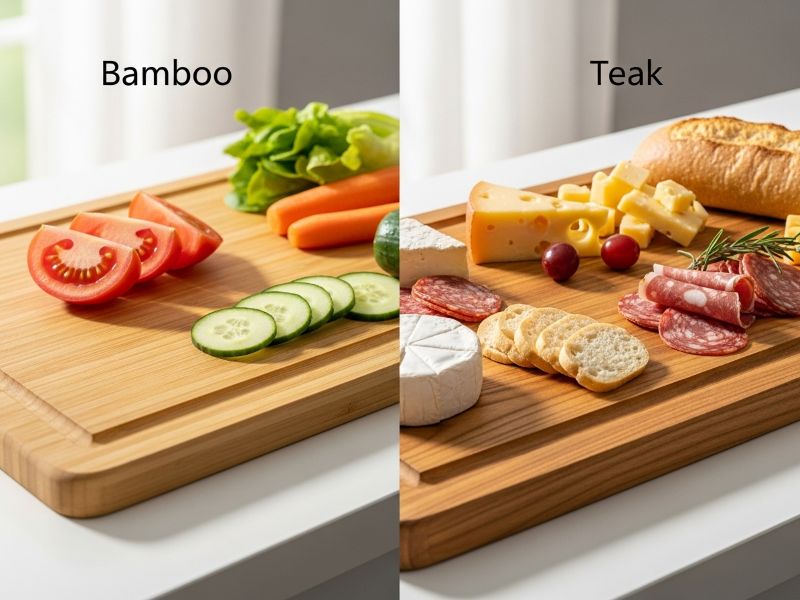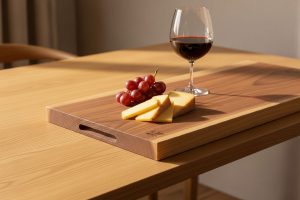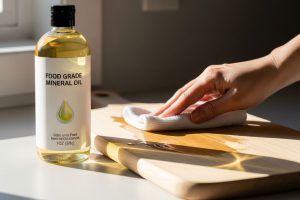
The Bamboo vs Teak Cutting Board debate comes down to balancing sustainability, durability, and care. Bamboo offers eco-friendly value and affordability, while teak provides long-lasting strength and water resistance. This guide highlights their pros and cons to help you pick the best option for your kitchen.
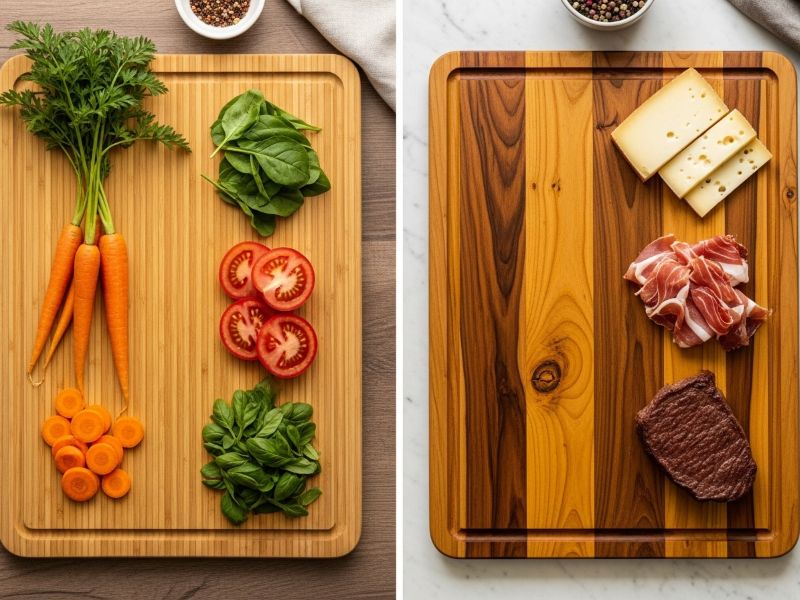
Pros and Cons of Bamboo Cutting Board
Bamboo cutting boards have gained tremendous popularity among home cooks seeking an eco-conscious alternative to traditional hardwood options. Understanding both the strengths and limitations of bamboo helps you make an informed decision based on your specific kitchen needs and cooking habits.
Pros
Bamboo cutting boards excel in several areas that make them attractive to many home cooks, particularly those prioritizing sustainability and budget considerations.
- Affordable and Accessible: Compared to premium hardwoods, bamboo boards are much more budget-friendly and widely available. They’re an excellent choice for beginners or anyone upgrading from plastic without making a big financial commitment.
- Lightweight and Easy to Handle: Bamboo is significantly lighter than hardwood, making these boards easier to lift, move, and store – especially useful in smaller kitchens. Their lightweight nature also benefits cooks with mobility concerns or those who frequently reposition their cutting surface.
- Sustainable Choice: As a fast-growing grass, bamboo regenerates quickly without replanting, requires little water, and needs no pesticides. This makes it one of the most eco-friendly cutting board materials, ideal for environmentally conscious cooks.
- Clean, Modern Aesthetic: Bamboo boards have a light, uniform grain that complements contemporary kitchen designs. Their natural look provides a simple yet elegant backdrop for both meal prep and food presentation.
- Resistant to Staining: Bamboo naturally resists stains from common ingredients like tomatoes, berries, and wine. This helps reduce deep-cleaning needs and keeps boards looking fresh over time.
- Great Value for Money: From a cost-performance perspective, bamboo cutting boards deliver excellent value. With proper care, they can last for several years, offering reliable functionality at a low upfront price.
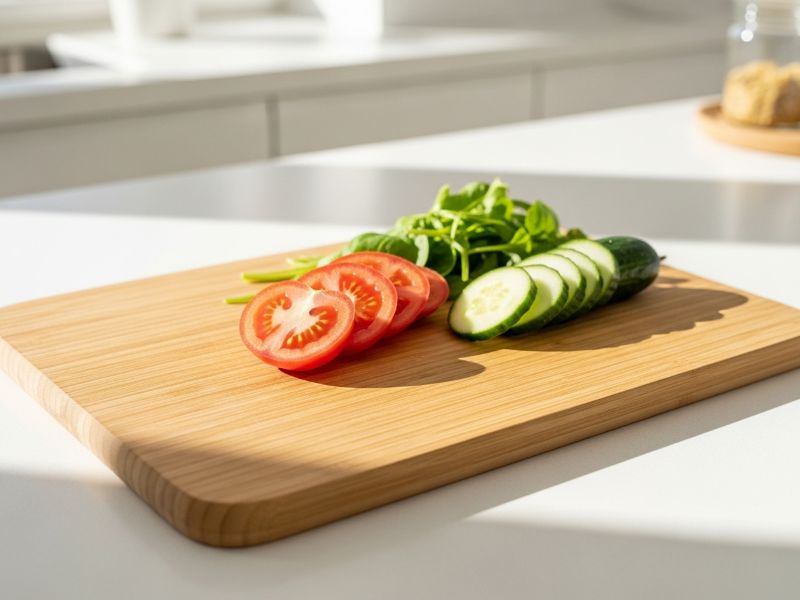
Cons
Despite their advantages, bamboo cutting boards present several challenges that may affect their suitability for your kitchen needs.
- Accelerated Knife Dulling: Bamboo contains natural silica, a sand-like mineral that makes the surface harder and more abrasive than most hardwoods. This means knives lose sharpness noticeably faster, especially Japanese or premium chef’s knives designed with fine edges. Frequent resharpening becomes an unavoidable trade-off.
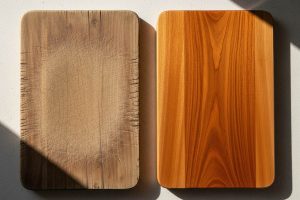
- Structural Weakness: The layered construction also makes bamboo boards more vulnerable to splitting along glue lines or warping after repeated washing. Cracks often develop around heavy chopping zones, creating crevices that trap food particles and bacteria, making the board unsafe over time.
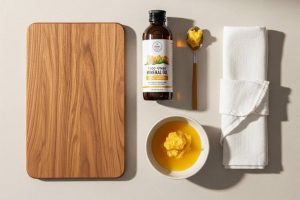
- Maintenance Demands: Although marketed as “low maintenance,” bamboo boards still require occasional oiling to prevent drying or cracking. Compared to hardwood boards like maple or teak, the maintenance burden is lighter, but they are still not dishwasher-safe and need hand washing with thorough drying after each use.
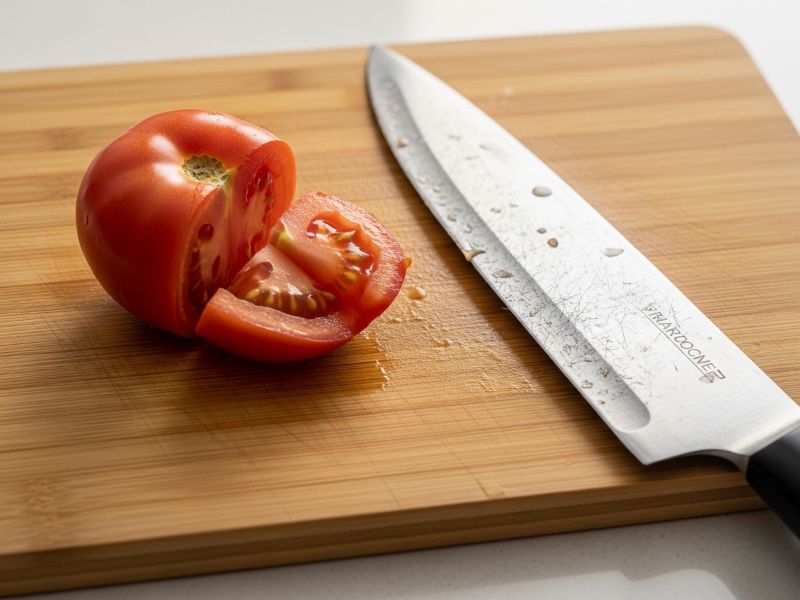
Read more: Are Bamboo Cutting Boards Dishwasher Safe?
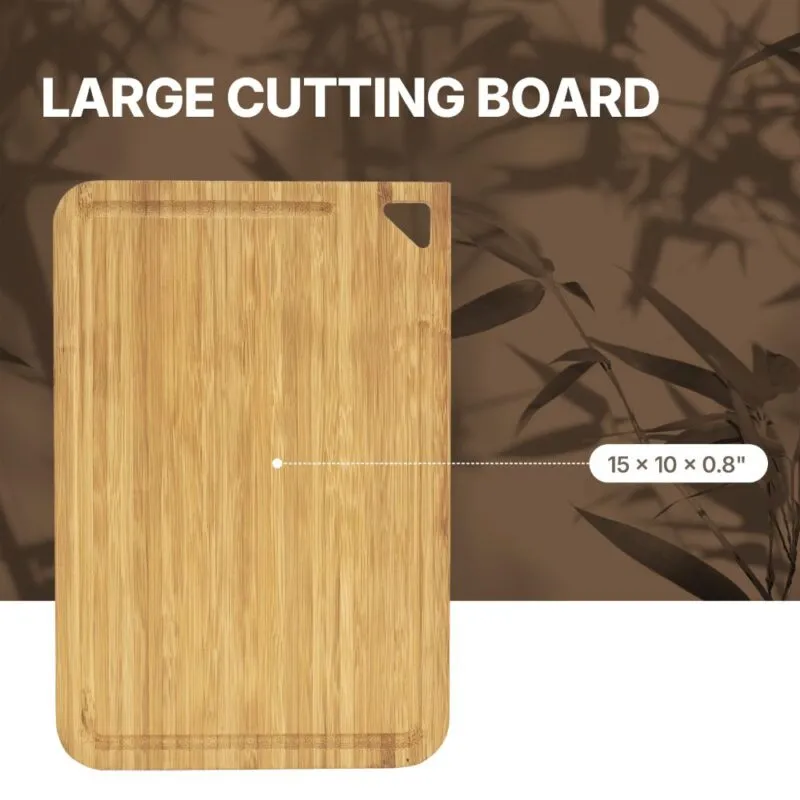
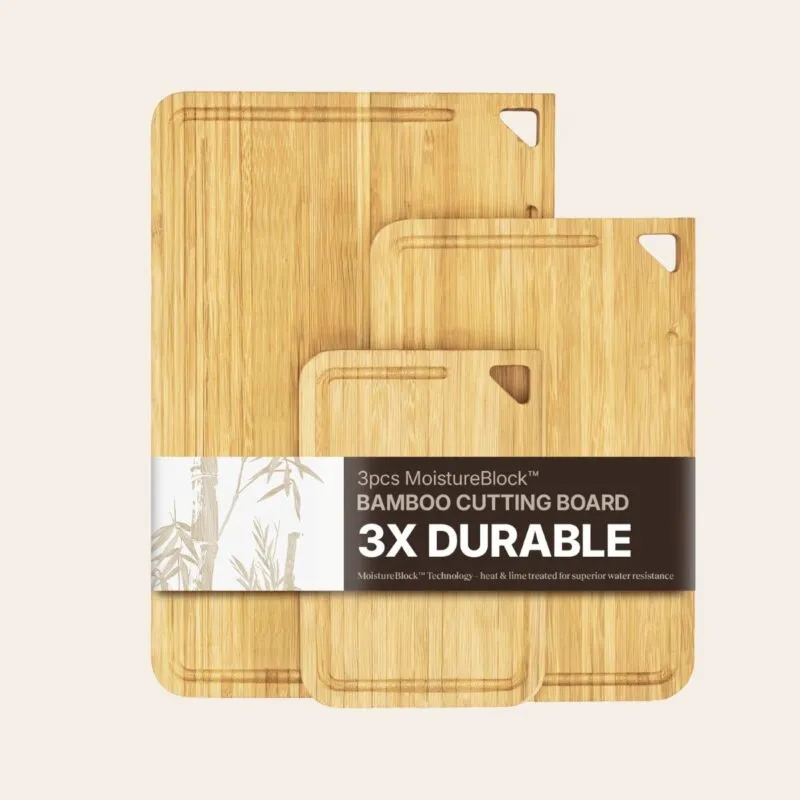
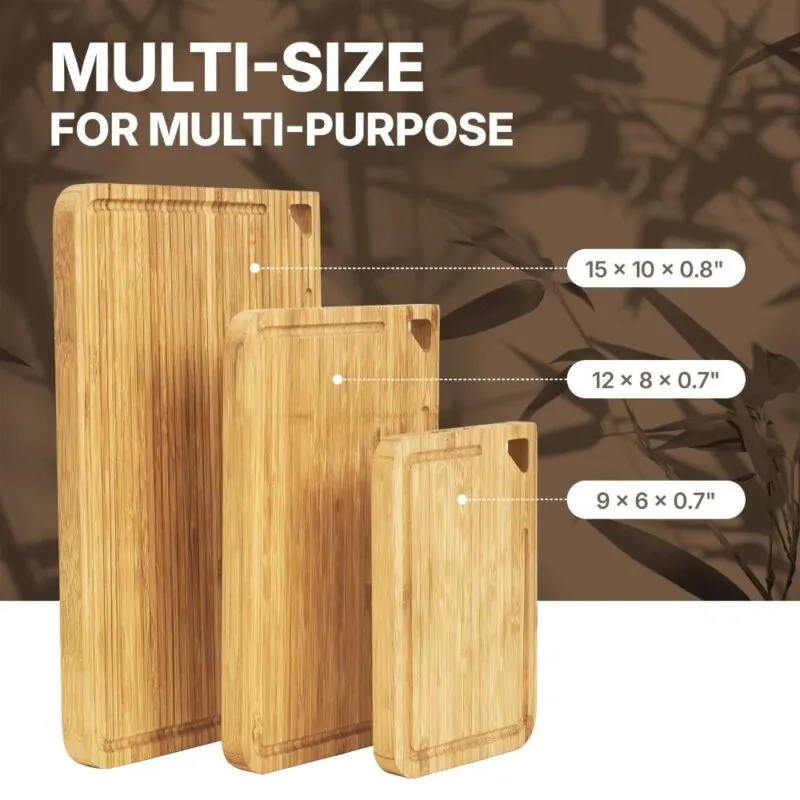
At Koppen, we’ve addressed many of these traditional bamboo limitations through our innovative MoistureBlock Technology, which enhances moisture resistance and reduces the porosity issues commonly associated with bamboo kitchenware.


Pros and Cons of Teak Cutting Boards
Teak cutting boards represent the premium segment of wooden cutting surfaces, offering exceptional performance characteristics that appeal to serious home cooks and professional chefs. Understanding teak’s unique properties helps determine whether the investment aligns with your kitchen priorities and cooking style.
Pros
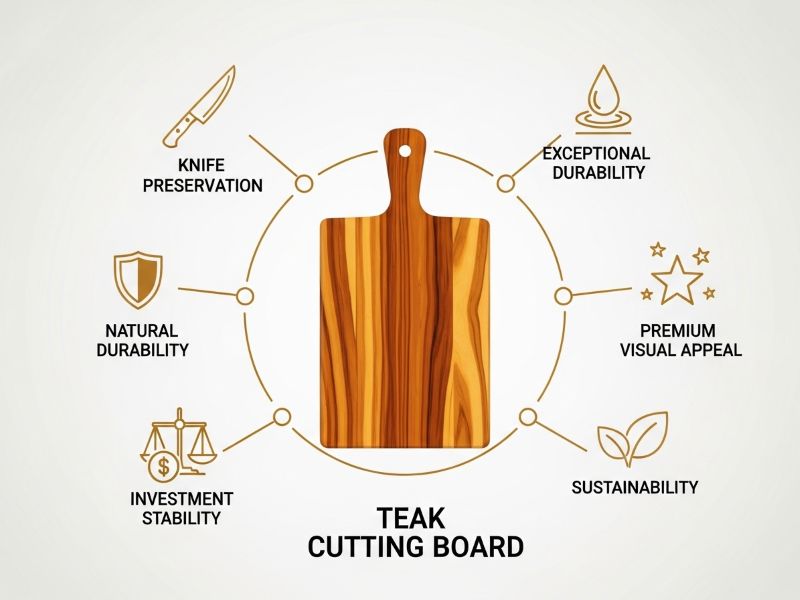
- Knife Preservation: Teak is celebrated for its knife-friendly surface. With an ideal hardness rating, it offers just enough resistance to protect the wood while still being gentle on knife edges. Unlike bamboo or overly hard materials, teak lets blades penetrate slightly without dulling prematurely – helping maintain sharpness over long periods.
- Natural Oil Content: One of teak’s standout qualities is its high natural oil content. These oils act as a built-in moisture barrier, reducing water absorption, inhibiting bacterial growth, and extending the board’s lifespan. This protective property not only supports food safety but also lowers the frequency of oiling maintenance compared to other woods.
- Exceptional Durability: When cared for properly, teak boards can last for decades. They resist common issues like warping, cracking, and splitting, even under heavy kitchen use. Their longevity makes them a strong long-term investment, often outlasting cheaper alternatives many times over.
- Premium Visual Appeal: Teak’s golden-brown tones and distinctive grain patterns make it one of the most attractive woods for cutting boards. Beyond prep work, these boards serve beautifully as presentation pieces for cheese, bread, or charcuterie, blending functionality with elegance.
- Structural Stability: Compared to bamboo, teak maintains its integrity more effectively through shifts in temperature and humidity. This stability means fewer replacements and consistent performance in diverse kitchen environments.
- Investment Value: Although teak carries a higher upfront cost, its longevity often results in lower annual costs over time. The ability to refinish the surface further extends its useful life, reinforcing its reputation as a worthwhile investment.
- Sustainability: Responsibly sourced teak, especially FSC-certified plantation teak, offers eco-conscious buyers a sustainable option. Certified harvesting supports forest preservation while ensuring the material delivers premium performance.
Cons
Teak cutting boards present several considerations that may influence their suitability for specific users and kitchen situations.
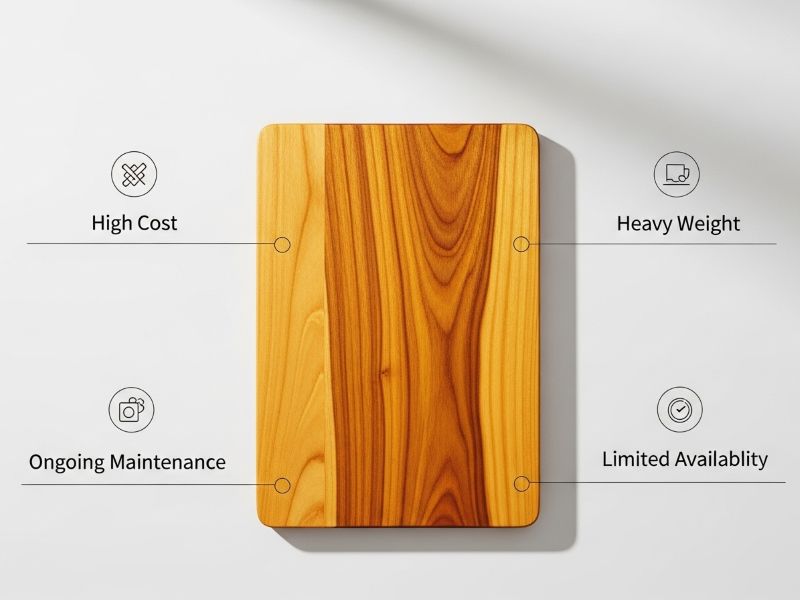
- High Cost: The most immediate drawback is price. Quality teak boards are significantly more expensive than bamboo or plastic alternatives, often costing several times more. For casual cooks or those unsure about long-term use, this investment may feel excessive.
- Heavier Weight: Teak boards are notably heavier than bamboo, which can make them harder to move, wash, and store. This weight may pose difficulties for users with mobility concerns or in kitchens where space is limited.
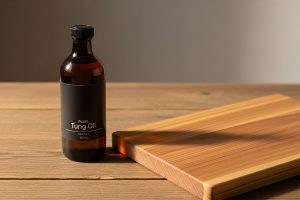
- Ongoing Maintenance: To retain its moisture resistance and protective qualities, teak requires regular oiling. Skipping this care routine can lead to dryness, surface deterioration, and reduced lifespan – diminishing many of teak’s advantages.
- Limited Availability: Compared to bamboo, teak cutting boards are less commonly found in mainstream retailers. Many consumers must purchase online or through specialty stores, which limits the ability to compare options in person before buying.
Best Use-Cases & Recommendations
The choice between bamboo and teak cutting boards ultimately depends on your cooking style, knife investment, and kitchen priorities. Each material serves distinct needs.
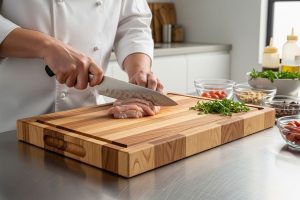
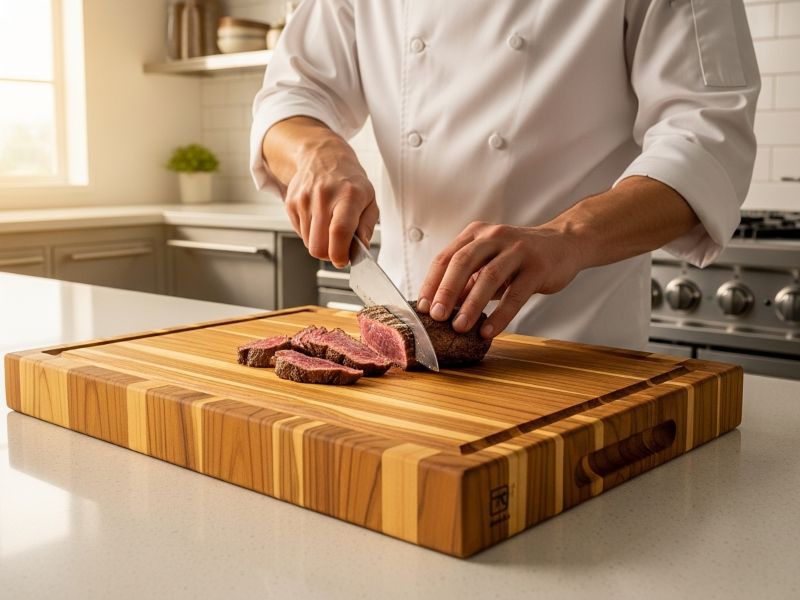
For Professionals and Serious Home Cooks: Teak stands out as the preferred option for those who value knife care above all. Its naturally gentle surface preserves blade sharpness, making it a smart investment for culinary professionals and anyone who owns high-quality knives. End-grain teak boards, in particular, are prized because their vertical fiber structure allows knives to slip between the wood fibers rather than cut against them – further extending edge life. In professional kitchens, teak’s durability and resistance to warping make it reliable under heavy daily use, offering both performance and longevity.
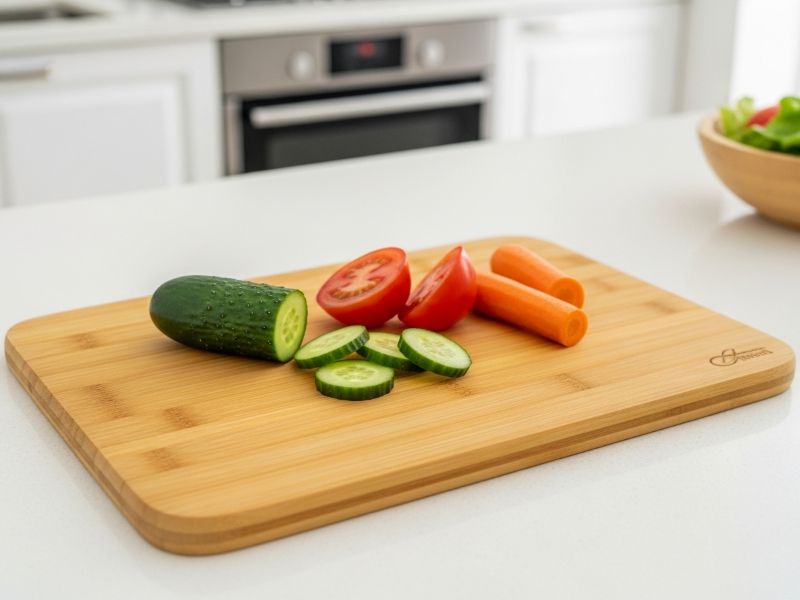
For Casual and Budget-Conscious Cooks: Bamboo boards provide excellent value for everyday home cooking. Affordable, lightweight, and eco-friendly, they’re well-suited for light to moderate prep tasks. For beginners or those unsure about their long-term culinary commitment, bamboo offers a low-risk entry point without sacrificing functionality.
For Serving and Presentation: Teak’s natural beauty and rich grain patterns give it an edge in presentation. It doubles as a serving platter for cheese, bread, or charcuterie, adding elegance to casual meals and entertaining alike. Bamboo, while visually clean and modern, doesn’t offer the same premium look.
Bottom Line: Choose teak if you prioritize knife longevity, durability, and aesthetics. Choose bamboo if you value affordability, sustainability, and lighter handling. Many home cooks find keeping both materials – teak for serious prep and serving, bamboo for quick everyday tasks – provides the best balance.
For quick decision-making, consider this framework: choose bamboo when affordability, environmental consciousness, and light use patterns take priority. Select teak when durability, knife preservation, and premium performance justify the higher investment. Your cooking frequency, knife quality, and long-term kitchen goals should guide this decision.
| Use Case | Bamboo | Teak | Best Choice |
|---|---|---|---|
| Daily vegetable prep | Good | Excellent | Teak |
| Occasional cooking | Excellent | Good | Bamboo |
| Knife preservation | Poor | Excellent | Teak |
| Budget consciousness | Excellent | Poor | Bamboo |
| Serving/presentation | Good | Excellent | Teak |
Readmore:
Acacia vs Bamboo Cutting Boards
Bamboo vs Wood Cutting Board: The Clear, Tested Comparison
Final Comparison: Should You Buy Bamboo or Teak Cutting Boards?
The decision between bamboo vs teak cutting boards depends on your cooking habits, budget, and long-term kitchen goals.
Bamboo cutting boards are budget-friendly, lightweight, and eco-conscious – great for casual cooks or those just starting out. They perform well for everyday prep but fall short in knife preservation, durability, and long-term hygiene.
Teak cutting boards, on the other hand, excel in knife care, durability, and overall performance. Though more expensive, they’re a worthwhile investment for serious home cooks and professionals who value longevity and premium quality.
The “better” board depends entirely on your cooking style, knife investment, maintenance commitment, and value priorities. Casual cooks who prioritize affordability and environmental consciousness will find bamboo boards perfectly adequate for their needs. Serious home cooks who value knife preservation, long-term durability, and premium performance will appreciate teak boards’ superior characteristics despite the higher investment.
Consider your cooking frequency, knife quality, budget flexibility, and long-term kitchen goals when making this decision. Both materials can serve home cooks effectively when chosen appropriately for specific needs and maintained properly throughout their service life.