Choosing the best cutting board isn’t just about looks; it’s about finding the perfect balance of hygiene, durability, and knife safety. The market offers wood, bamboo, plastic, glass, steel, and rubber options, each claiming superiority. However, not all cutting boards deliver equal results. Understanding the science behind each material helps you make the best cutting board materials that protects both your knives and your loved ones.
1. What Are the Best Cutting Board Materials?
This section examines wood, bamboo, and plastic cutting boards, the materials that consistently rank highest for home kitchen use. Each offers distinct advantages, and understanding their properties helps you choose based on your specific needs rather than marketing claims.
1.1. Wood
-
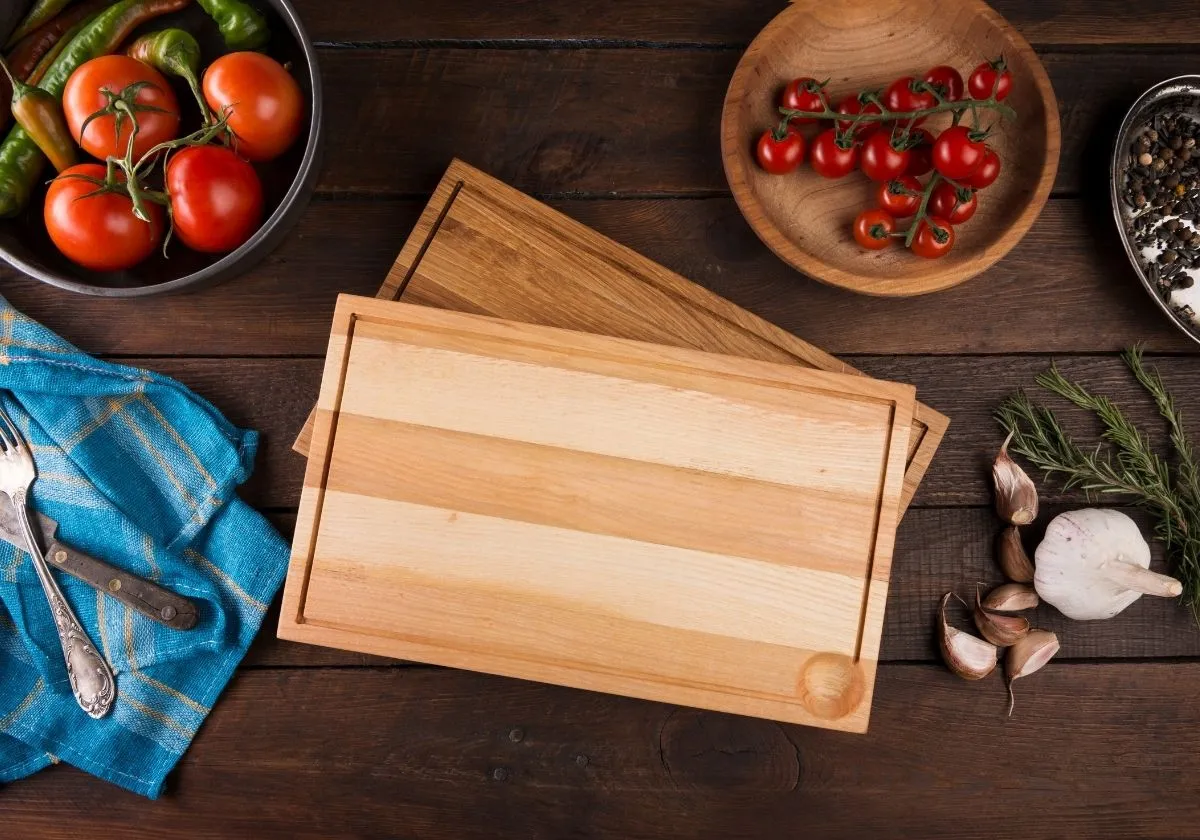
A single hardwood cutting board showcases the durability and knife-friendly surface that makes wood the gold standard in kitchens - Wood cutting board
Wood cutting boards represent the gold standard for knife care and culinary performance. Hardwood varieties like maple, walnut, acacia, teak, and cherry provide the ideal cutting surface density that protects knife edges while offering sufficient durability for daily use.
Key hardwood characteristics:
- Maple: Dense and smooth, with closed grain that resists moisture and bacteria.
- Walnut: Softer than maple but gentle on knives, with a rich, dark finish.
- Acacia: Naturally water-resistant and highly durable, often featuring striking grain patterns.
- Teak: Contains natural oils that repel water; highly resistant to warping and cracking.
- Cherry: Moderately hard with a smooth surface; darkens beautifully over time with use.
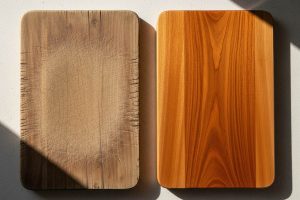
The construction method significantly impacts performance. Edge-grain cutting boards display the wood’s side grain and are typically more affordable, while end-grain boards showcase the wood’s cut ends and provide superior knife protection. End grain construction allows knife blades to slip between wood fibers rather than cutting across them, preserving sharpness longer.
End-grain cutting boards are also highly favored by top chefs due to:
- Their thick, sturdy construction withstands heavy chopping.
Self-healing fibers that close up after cuts, extending board’s lifespan. - Excellent knife-edge preservation due to the vertical grain orientation.
- A unique build—made from individual blocks of wood—that minimizes warping and enhances durability over time.
Wood possesses naturally antimicrobial properties that many people overlook. Scientific studies demonstrate that wood’s porous structure traps bacteria below the surface, where they die from lack of moisture and nutrients. This biological advantage gives wood boards an edge over synthetic alternatives in terms of food safety.
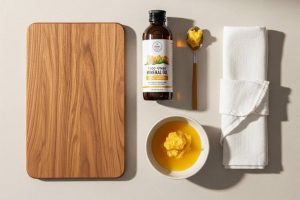
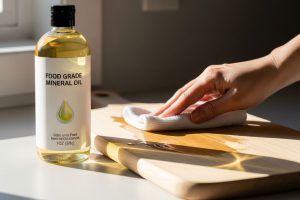
However, wood demands regular maintenance. These boards require monthly oiling with food-grade mineral oil to prevent cracking and maintain their antimicrobial properties. Wood boards cannot go in dishwashers, as high heat and harsh detergents cause warping and splitting. Hand washing with mild soap and thorough drying becomes essential.
The investment pays off through longevity. A quality hardwood cutting board can last decades with proper care, making it cost-effective despite the higher initial price. Professional kitchens favor wood for good reason—the material offers unmatched knife preservation, natural bacteria resistance, and trusted durability.
Wood boards excel for:
- Daily vegetable prep
- Bread cutting
- General cooking tasks where knife preservation matters most.
Read more: Best Wooden Cutting Boards For Slicing, Chopping In 2025
1.2. Bamboo
-

A bamboo cutting board offers an affordable, sustainable option with modern style, though it needs proper care to protect knives and durability - Bamboo cutting board
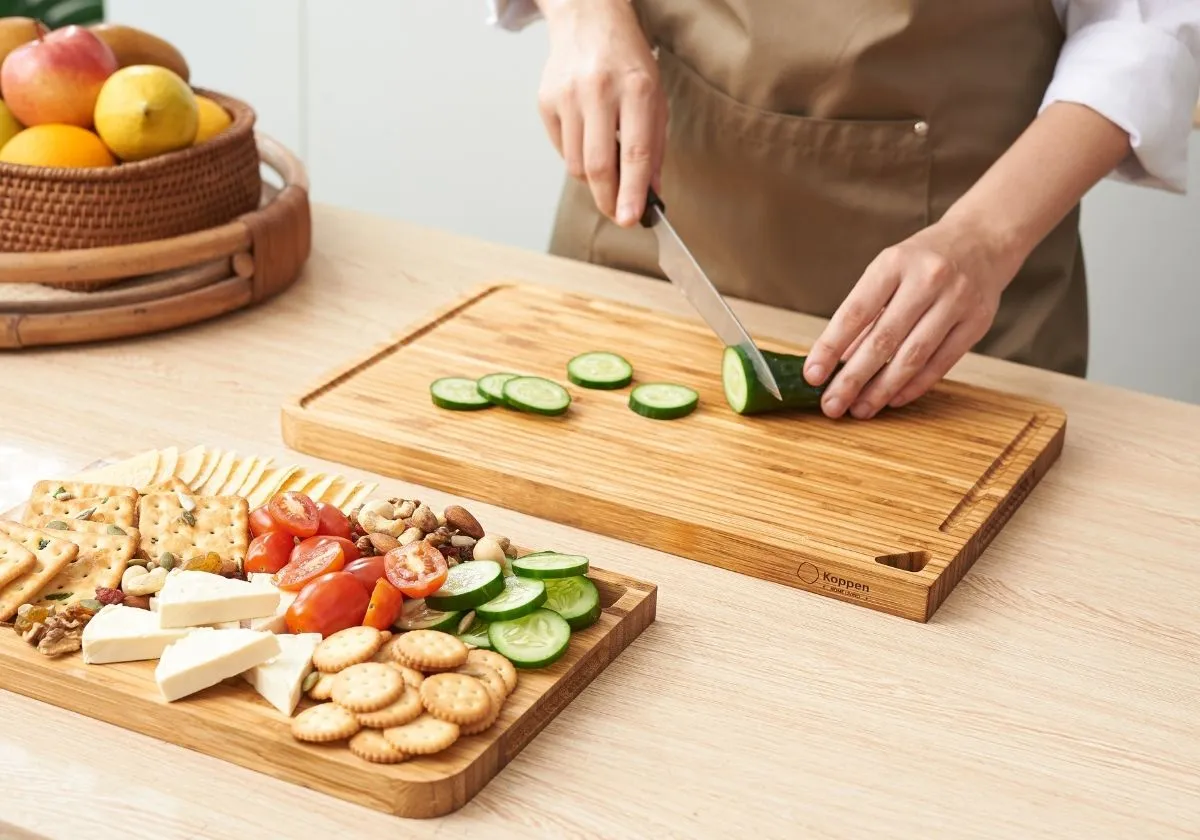
Bamboo cutting boards appeal to environmentally conscious cooks seeking renewable alternatives to traditional hardwood. As a fast-growing grass rather than a tree, bamboo regenerates quickly and requires fewer resources to harvest, making it an eco-friendly choice that aligns with sustainable living values.
Its light color and clean grain suit modern kitchens, and its affordability makes it a practical natural option. However, performance varies depending on bamboo origin, age, and processing. Bamboo is naturally hard due to its high silica content—harder than steel, making it prone to dulling knives over time. However, end-grain bamboo boards are a great alternative, offering durability, knife-friendliness, and a beautiful appearance in one smart choice.
Thermally modified bamboo enhances water resistance and triples durability, reducing cracks and swelling. With special laminated structures, some boards even become dishwasher-safe, rivaling plastic and metal boards in convenience.
Bamboo requires care similar to wood, regular oiling and hand washing, to maintain performance. Unlike wood’s proven antimicrobial traits, bamboo’s hygiene depends on upkeep and replacement.
Bamboo works best for:
- Light prep work, serving applications
- Kitchens where environmental impact takes priority over maximum knife preservation
1.3. Plastic
-
Plastic cutting boards are dishwasher-safe and low-maintenance, ideal for raw meat prep but prone to grooves, microplastics, and quicker knife wear - Plastic cutting board
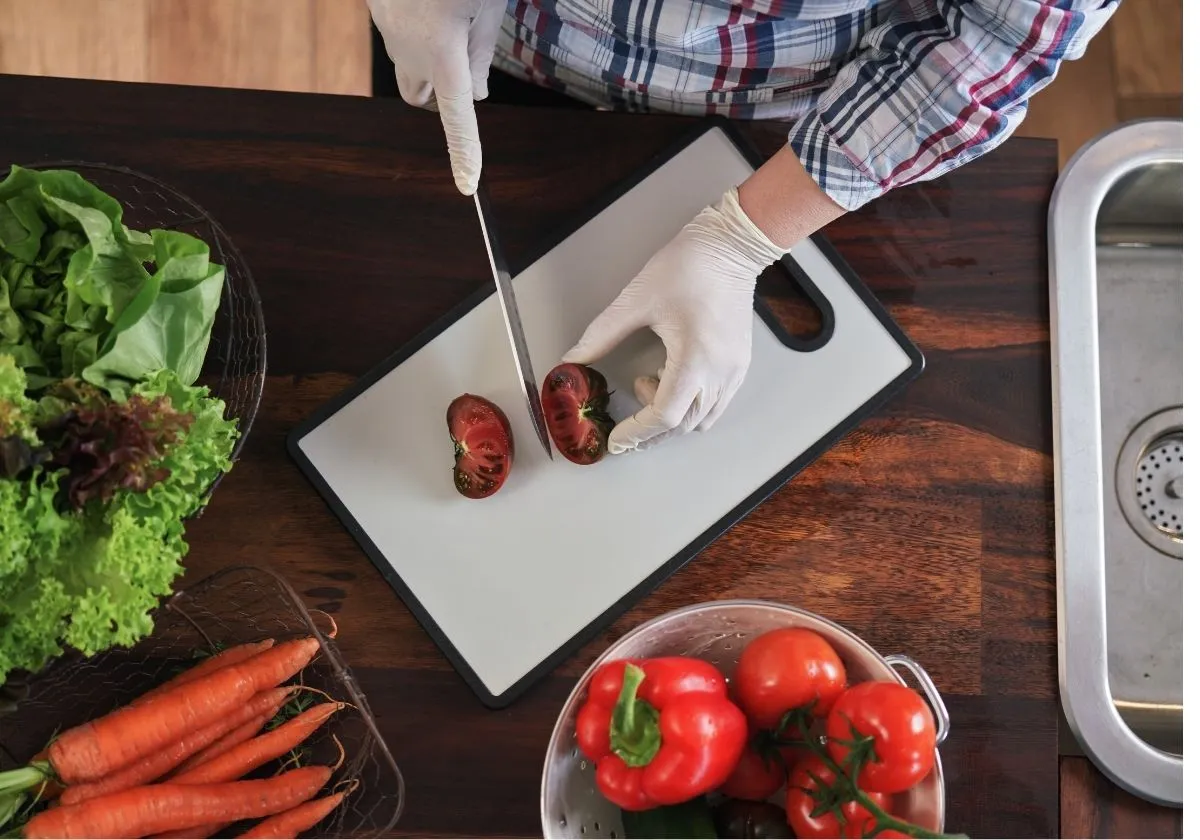
Plastic cutting boards dominate commercial kitchens and home settings thanks to their hygienic benefits, when properly managed. Dishwasher compatibility is a major advantage, allowing high-heat sanitizing cycles that effectively kill bacteria. They’re especially suitable for raw meat prep, and color-coded options help prevent cross-contamination.
Plastic’s low-maintenance appeal suits busy households: no oiling required, resistant to moisture, and tolerant of harsh detergents.
However, health concerns are growing. Over time, knife cuts create deep grooves that trap bacteria beyond the reach of sanitization. More critically, repeated chopping can release microplastics—tiny plastic particles that may stick to food and enter the body during consumption. Studies link microplastic exposure to inflammation, hormonal disruption, and long-term health risks.
Plastic also dulls knives more quickly than wood, though not as severely as glass or stone. And while upfront costs are lower, frequent replacement (every 6–12 months is recommended) can make plastic less cost-effective over time.
Plastic excels for:
- Meat preparation
- Households requiring dishwasher cleaning
- Situations where multiple dedicated boards prevent cross-contamination.
2. Other Popular Cutting Board Materials
The marketplace features several alternative materials that manufacturers market aggressively, but not all deliver practical advantages for home cooks. These options often appeal to specific preferences or specialized applications, though they may compromise either safety or performance in daily use.
Understanding these alternatives helps you avoid costly mistakes and choose best cutting board materials that truly meet your kitchen needs. The following materials receive significant marketing attention but require careful evaluation of their real-world performance.
2.1. Glass
-
Glass cutting boards look sleek and hygienic but damage knives, create slippery surfaces, and work better as serving trays than cutting boards - Glass cutting board

Glass cutting boards attract consumers with their sleek appearance and seeming cleanliness, often marketed as the ultimate hygienic solution. The transparent surface showcases beautiful foods and fits modern kitchen aesthetics, making these boards popular wedding gifts and decorative items.
The reality proves less appealing. Glass ranks as one of the hardest cutting surfaces available, causing severe and immediate knife damage. Even a single use can chip or dull high-quality knife blades, making glass boards an expensive mistake for anyone who values their cutlery.
Safety concerns extend beyond knife damage. Glass surfaces become extremely slippery when wet, creating hazardous conditions during food preparation. The combination of sharp knives and slippery surfaces increases accident risk significantly, especially in busy kitchens where speed matters.
The hardness that destroys knives also creates uncomfortable vibrations during cutting, leading to hand and wrist fatigue. These vibrations can exacerbate repetitive stress injuries and make extended food preparation sessions unpleasant.
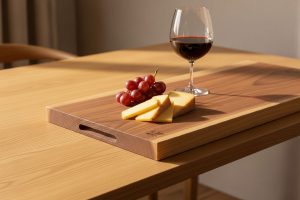
Glass serves better as a serving board rather than a cutting surface. Use these boards for cheese presentations, charcuterie displays, or other serving applications where their appearance adds value without compromising functionality.
2.2. Stainless Steel
-
Stainless steel cutting boards provide extreme durability and non-porous surfaces, ideal for industrial kitchens that demand maximum sanitation - Stainless steel cutting board

Stainless steel cutting boards appear primarily in commercial and industrial kitchens where extreme sanitation requirements override other considerations. The material offers unmatched durability and can withstand harsh cleaning chemicals and high-temperature sanitizing without degradation.
Sanitization capabilities make steel boards appealing for environments requiring strict hygiene standards. The non-porous surface prevents bacteria penetration, and aggressive cleaning methods eliminate all contamination risks effectively.
However, steel’s extreme hardness creates the same knife-dulling problems as glass surfaces, but to an even greater degree. Professional knife damage occurs rapidly on steel surfaces, making these boards impractical for any kitchen where sharp tools matter.
The material finds limited application in home kitchens due to its aggressive impact on cutlery and uncomfortable cutting experience. Home cooks who invest in quality knives should avoid steel cutting surfaces entirely to protect their investment.
Steel works for: Industrial applications, environments requiring extreme sanitization, and specialized food processing where knife preservation takes lower priority than hygiene requirements.
2.3. Titan
-
Titanium cutting boards deliver ultra-durable, non-porous performance with easy dishwasher cleaning, though they can be harsh on knife edges - Titan cutting board
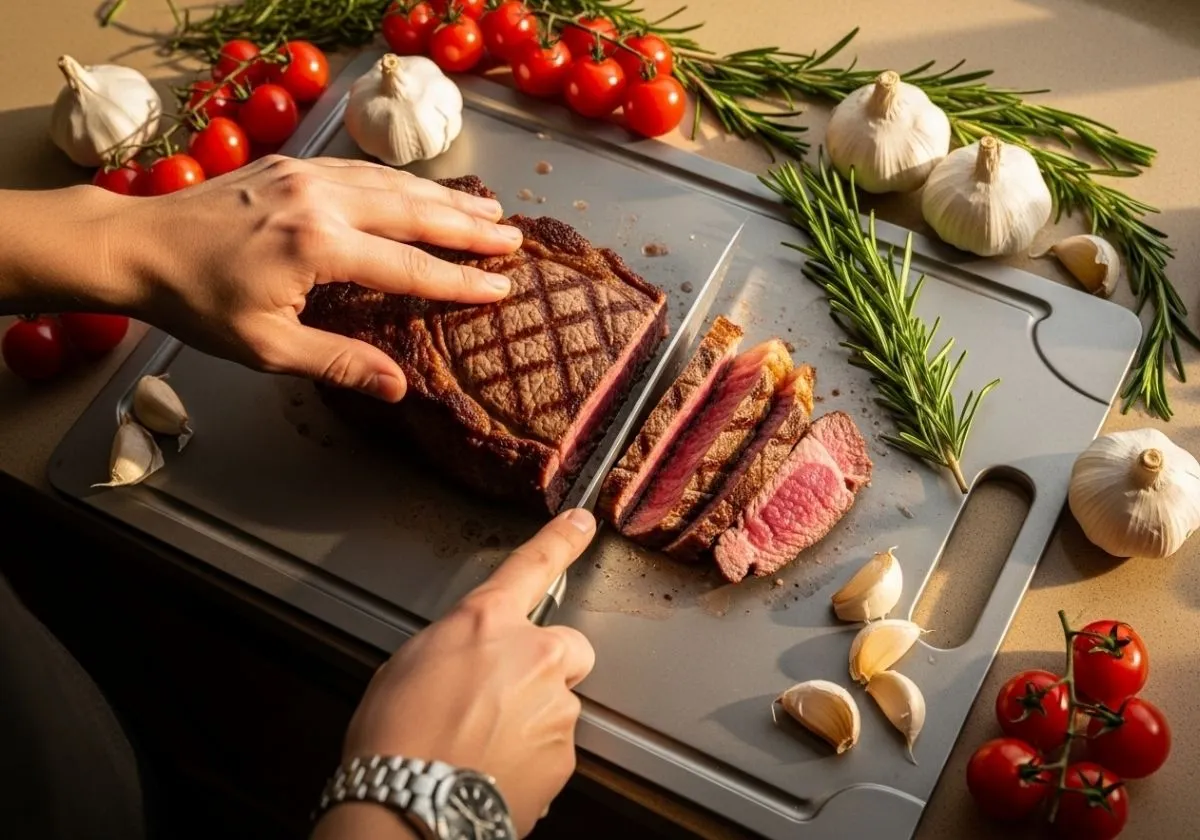
Titan cutting boards offer a modern, ultra-durable solution for home and professional kitchens alike. Though less common than wood or plastic, they stand out for their exceptional hygiene, toughness, and sleek design.
Made from titanium-coated metal or titanium alloys, these boards resist warping, cracking, odors, and stains. Their non-porous surface is dishwasher-safe and highly sanitary—ideal for handling raw meats and high-risk foods.
Stability and safety are often enhanced with textured surfaces or non-slip edges. However, due to their extreme hardness, Titan boards can dull knives faster than softer materials, making them better for general prep than delicate slicing.
Maintenance is minimal. No oiling or resurfacing is needed—just rinse or load into the dishwasher.
Despite their durability and hygiene, Titan cutting boards have notable drawbacks. Their extremely hard surface can dull knives faster than wood or rubber, and the lack of “give” makes cutting feel less comfortable, especially during long prep sessions. The board can also be noisy when chopping, and over time, visible scratch marks may affect its sleek appearance. Additionally, the smooth metal surface may cause slight knife slippage, making it less ideal for precise cutting. Combined with a higher price point and the need for more frequent knife sharpening, Titan boards may not suit every kitchen.
Titan excels for:
- High-volume, sanitary food prep
- Heavy-duty chopping
- Modern kitchens seeking low-maintenance tools
2.4. Rubber
-
Rubber cutting boards are durable, non-slip, and knife-friendly, making them a trusted choice in professional kitchens and culinary schools - Rubber cutting board

Rubber cutting boards represent professional-grade solutions that many home cooks overlook despite their exceptional performance characteristics. High-end restaurants and culinary schools favor rubber boards for their unique combination of knife-friendliness and sanitation capabilities.
The material offers exceptional durability that surpasses most alternatives. Quality rubber boards resist cuts, stains, and odors while maintaining their surface integrity through years of heavy use. This longevity makes rubber boards cost-effective despite higher initial prices.
Non-slip properties enhance safety during food preparation. Rubber boards stay firmly in place without additional stabilization, reducing accident risk and improving cutting precision. This stability becomes particularly valuable when working with large items or performing repetitive cutting tasks.
Many rubber cutting boards feature resurfaceable construction, allowing you to sand away surface damage and restore the board to like-new condition. This capability extends board life indefinitely with proper maintenance, making rubber an excellent long-term investment.
Maintenance requirements remain minimal compared to wood boards. Rubber boards clean easily, resist bacterial growth, and require no special treatments or conditioning products.
The primary limitation involves availability and initial cost. Quality rubber cutting boards cost more than basic alternatives and require sourcing from specialty suppliers rather than general retailers.
Rubber excels for:
- Professional-level home cooking
- High-volume food preparation
- Situations where maximum durability and safety matter most.
3. What Material Should You Choose for Safety and Performance?
-
From end-grain hardwood to plastic, bamboo, and rubber, the best cutting board material depends on your cooking style and kitchen priorities - What Are the Best Cutting Board Materials for Safety and Performance?
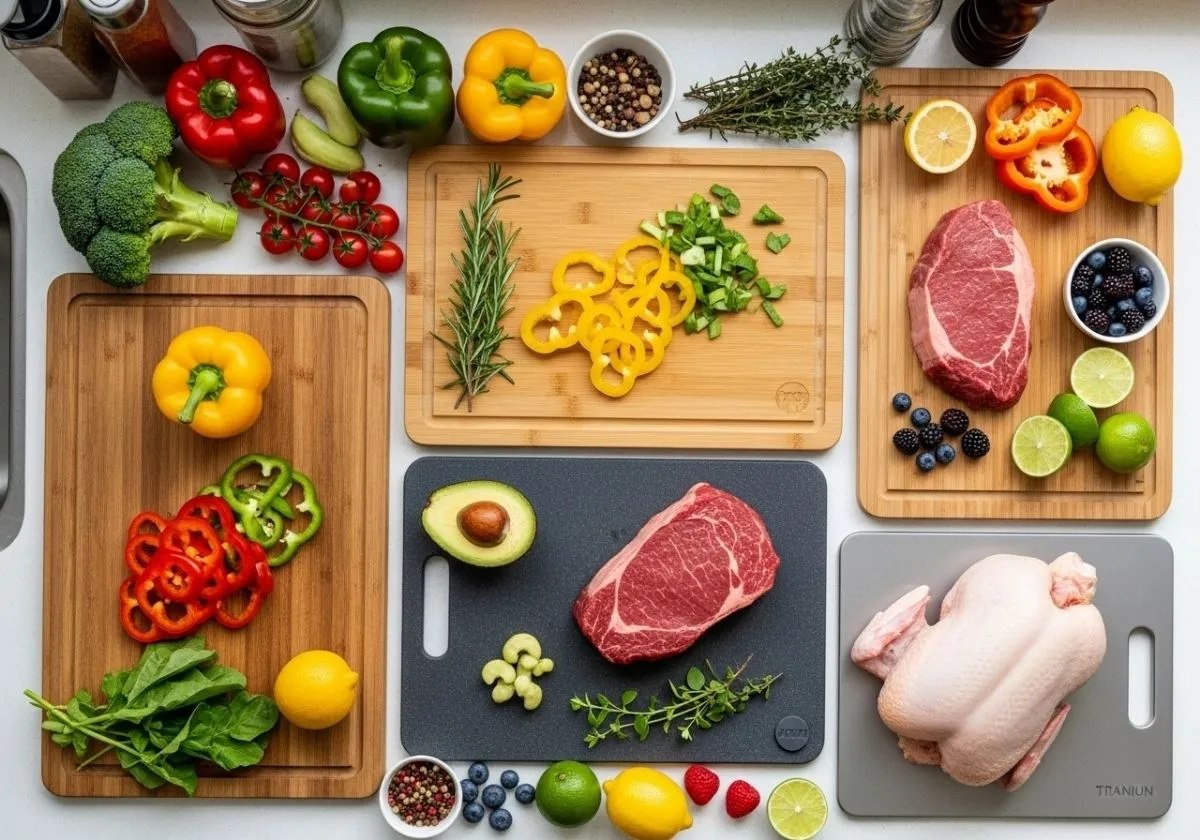
The best cutting board materials depend on your specific cooking habits, maintenance preferences, and kitchen priorities. Rather than searching for a one-size-fits-all solution, consider your actual needs and choose accordingly.
- Best overall: End-grain hardwood boards (like maple, teak or walnut) offer top-tier knife protection, natural antimicrobial properties, and long-term durability. A smart investment for serious home cooks.
- For meat prep: NSF-rated plastic boards are safest for raw meat. Use color-coded options to avoid cross-contamination and replace regularly. Dishwasher-safe for easy cleaning.
- Eco-friendly choice: Bamboo boards are renewable and eco-friendly. While standard versions may be less gentle on knives, newly engineered bamboo and end-grain constructions offer improved durability and knife-friendliness, making them ideal for light to moderate prep with added longevity.
- Low-maintenance option: Plastic boards are affordable, easy to clean, and ideal for casual cooks — just be ready to replace them more often.
- Professional-grade performance: Rubber boards offer exceptional durability, knife care, and hygiene. A high-end choice for those who want the best kitchen tools.
Decision factors to consider:
- Knife quality: Expensive knives demand wood or rubber cutting surfaces
- Cooking frequency: Daily cooks benefit from investing in premium materials
- Maintenance tolerance: Busy schedules may favor plastic convenience
- Food safety priorities: Raw meat preparation requires easily sanitized surfaces
- Environmental values: Sustainable materials appeal to eco-conscious households
- Budget constraints: Balance initial cost against long-term replacement needs
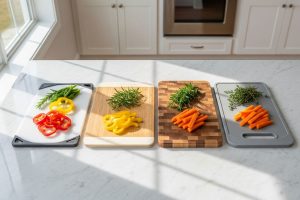
The most effective strategy is to use different cutting boards for different tasks — a quality wood board for vegetables and general prep, and plastic boards for raw meat.
Keep in mind that maintenance often matters more than material. A well-cared-for plastic board is safer and performs better than a neglected wood board. Choose the best cutting board materials you’re willing to maintain and follow care instructions carefully.
Ultimately, your cutting board should match your cooking habits and standards. Quality boards from trusted suppliers deliver the safety and performance that justify the investment. At Koppen Home Living, we understand that the right cutting board becomes an extension of your culinary skills, supporting your cooking journey for years to come.
The best cutting board materials are the ones you’ll use properly and maintain consistently. Choose wisely, care for your investment, and enjoy the confidence that comes from using the right tool for your culinary needs.