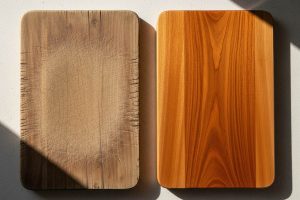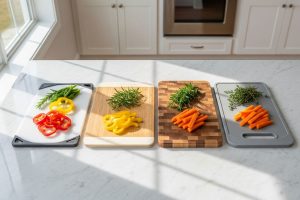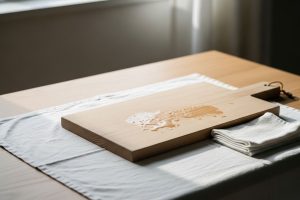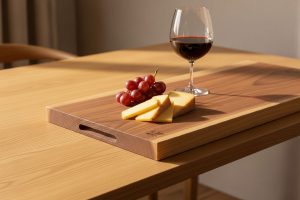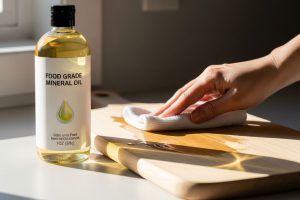
Choosing the Best Wood for Cutting Boards can make a big difference in your kitchen. The right wood keeps knives sharper, resists moisture, and helps prevent bacteria buildup. Factors like grain type, hardness, porosity, antibacterial properties, and even color all affect how well a board performs and ages over time. While some woods dull blades or warp easily, premium hardwoods offer lasting durability and hygiene. Knowing what to look for ensures you invest in a board that’s safe, sturdy, and made to last.
1. What Are the Best Wood for Cutting Boards?
The best cutting boards combine durability, beauty, and knife-friendliness. Teak, walnut, and acacia each offer unique advantages. Let’s explore what makes them standout choices for your kitchen.
1.1. Maple (Hard Maple/Sugar Maple)
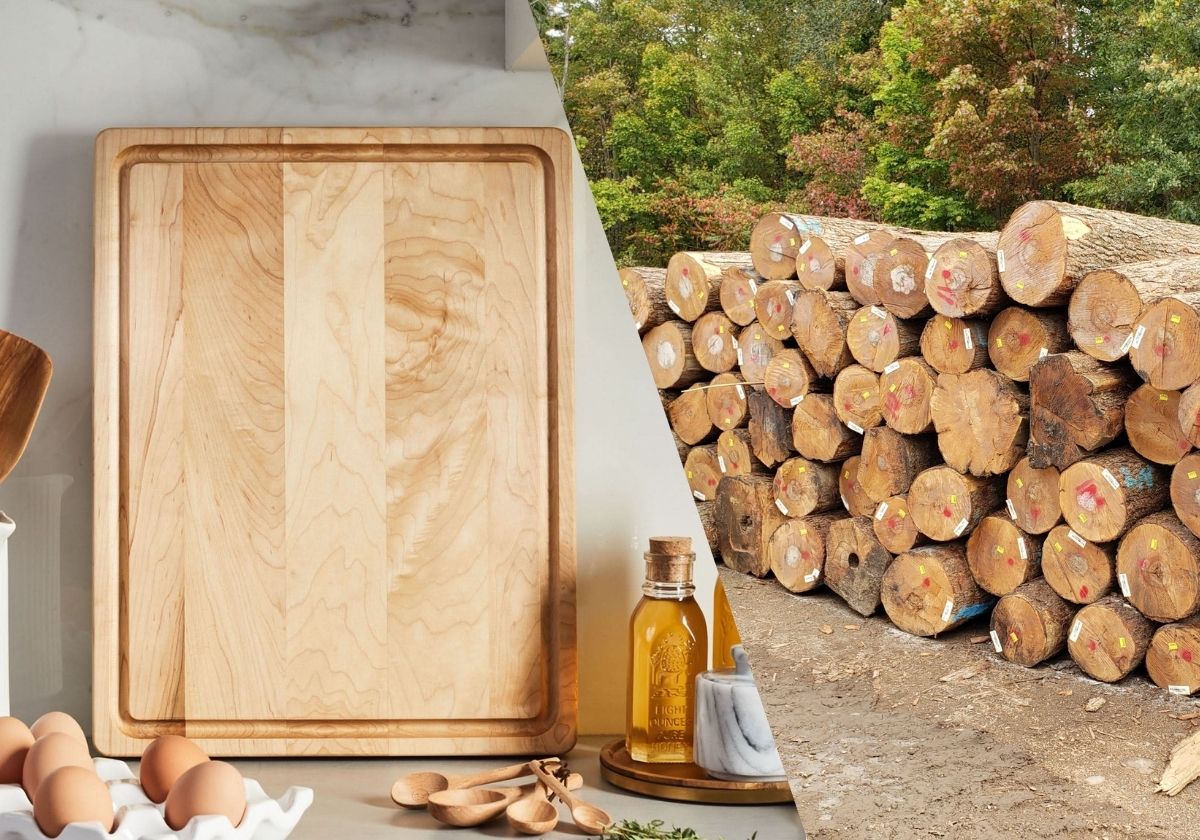
Hard maple stands as the most widely recommended hardwood for cutting boards across North America, earning recognition from professional chefs and food safety organizations alike. This species delivers exceptional performance through its closed grain structure, which creates a non-porous surface that resists bacterial retention and simplifies cleaning protocols.
The wood’s cellular composition provides the ideal balance between hardness and workability. With a Janka hardness rating of 1,450 lbf, maple offers sufficient durability to withstand heavy chopping while remaining gentle enough to preserve knife edges during extended use. Professional kitchens often specify maple cutting boards because the wood accepts food-safe finishes readily, resists moisture absorption, and maintains its structural integrity under commercial-grade usage.
Key advantages of maple cutting boards:
- NSF International approval for commercial food service applications
- Closed grain pattern minimizes bacterial harboring potential
- Self-healing properties allow minor cuts to close naturally
- Neutral color complements any kitchen design aesthetic
- Available in both end-grain and edge-grain configurations
End-grain maple boards offer superior knife protection by allowing blade edges to slip between wood fibers rather than cutting across them. Edge-grain variants provide smoother surfaces for tasks requiring sliding motions, such as pastry work or large vegetable preparation. Both configurations maintain maple’s inherent stability, moisture resistance, and food safety characteristics.
In terms of price, edge-grain maple boards typically range from $40 to $100, depending on size and craftsmanship, while premium end-grain maple boards often range from $80 to $250 or more, reflecting their complex construction and professional-grade performance.
1.2. Walnut
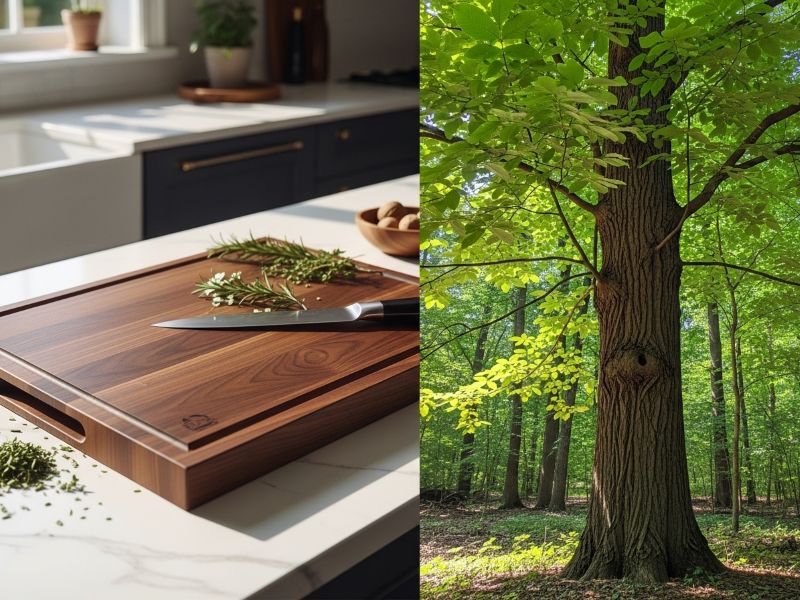
Walnut cutting boards bring rich chocolate tones and superior knife-friendliness to kitchens prioritizing both function and visual appeal. This hardwood measures softer than maple on the Janka scale, creating surfaces that cushion knife impacts while delivering excellent cutting performance for precision work.
The species’ open grain structure requires more maintenance than maple alternatives, as the larger pores can trap food particles and moisture if not properly sealed. Regular oiling becomes essential to maintain walnut’s protective barrier and prevent bacterial growth within the wood’s cellular structure.
Walnut characteristics for cutting board use:
- Janka hardness of 1,010 lbf provides optimal knife protection
- Natural oils offer some moisture resistance when properly maintained
- Dense grain pattern ensures structural stability despite softer composition
- Premium appearance suits display-worthy serving applications
- Compatible with both mineral oil and specialized wood conditioning treatments
Walnut excels in kitchens where cutting board presentation matters as much as performance. The wood’s natural beauty makes it ideal for cheese and charcuterie displays, while its gentle surface protects expensive knife investments during daily food preparation. However, commitment to regular maintenance routines becomes crucial for long-term performance. Due to its premium appearance and lower domestic availability compared to maple, walnut cutting boards tend to be more expensive.
Edge-grain walnut boards typically range from $60 to $150, depending on size and thickness, while end-grain versions, known for their superior knife protection and striking block patterns, can range from $120 to over $300 in high-end artisan models.
1.3. Acacia
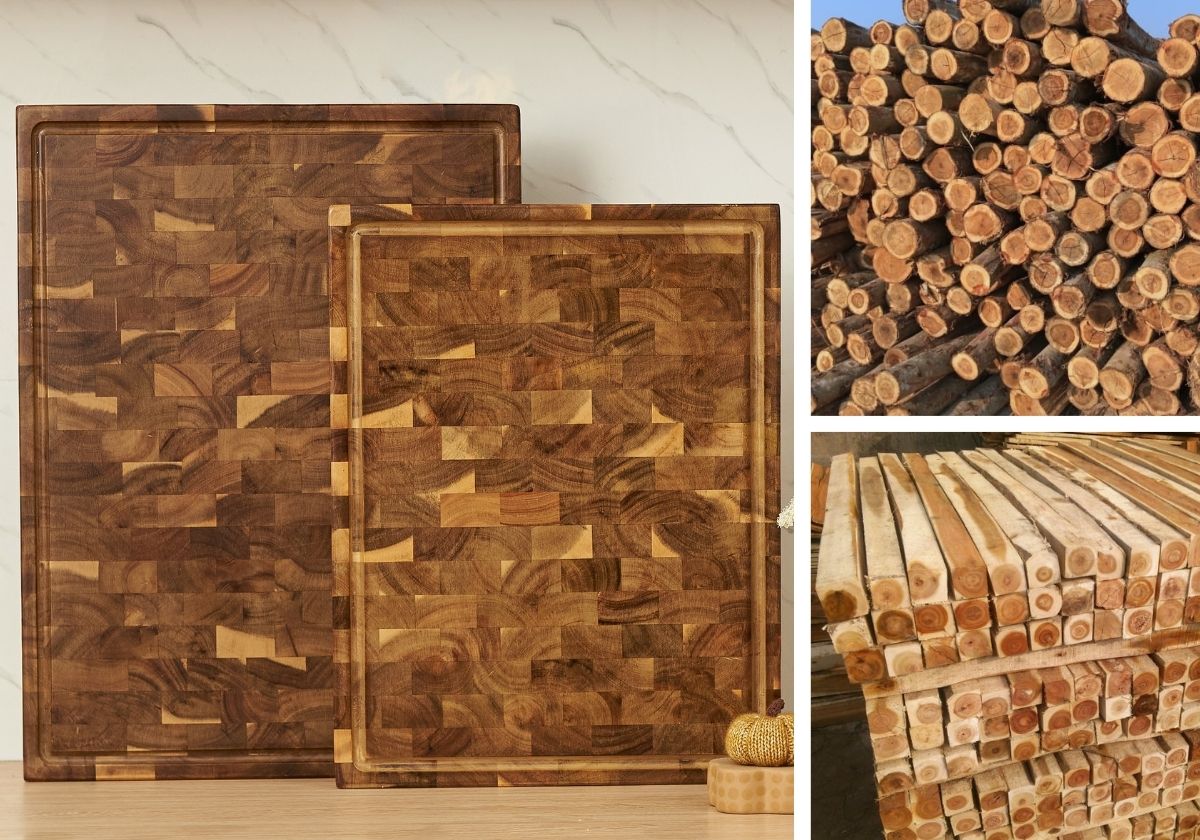
Acacia wood offers an accessible entry point into quality hardwood cutting boards, combining affordability with solid performance characteristics. This fast-growing hardwood provides natural water resistance through its dense cellular structure and natural oils, though proper sealing remains important for long-term durability.
The species exhibits variable grain patterns and color variations that create unique visual appeal in each board. Acacia is also softer than teak, walnut, and maple, making it more prone to surface scratches and knife marks, especially in edge-grain boards that expose the side fibers.
For those seeking better durability and resistance to heavy chopping, end-grain acacia boards offer an excellent solution. Their vertical fiber orientation makes them more resistant to knife impact and warping, while still maintaining the knife-friendliness and affordability that acacia is known for. This makes end-grain acacia a budget-friendly yet highly functional alternative for serious home cooks.
Acacia cutting board benefits:
- Cost-effective alternative to premium hardwood options
- Natural antimicrobial properties support food safety protocols
- Dense grain structure provides good durability for moderate use
- Distinctive grain patterns create attractive kitchen accessories
- Wide availability makes replacement and matching simple
Natural water resistance factors:
- Dense cellular composition limits moisture penetration when properly sealed
- Natural oils provide some protection against bacterial growth
- Responds well to regular conditioning with food-safe treatments
- Maintains structural integrity under normal kitchen humidity levels
Acacia boards work well for home cooks seeking quality wood construction without premium pricing. The key to success lies in proper initial seasoning and consistent maintenance schedules that prevent moisture-related warping and surface degradation.
Explore: Koppen’s Acacia Cutting Boards
2. Other Popular Woods Used for Cutting Boards
Beyond the top choices, some specialty woods appear in cutting boards mainly for looks or marketing appeal. They can suit niche preferences but often lack the balanced performance needed for daily use.
2.1. Teak
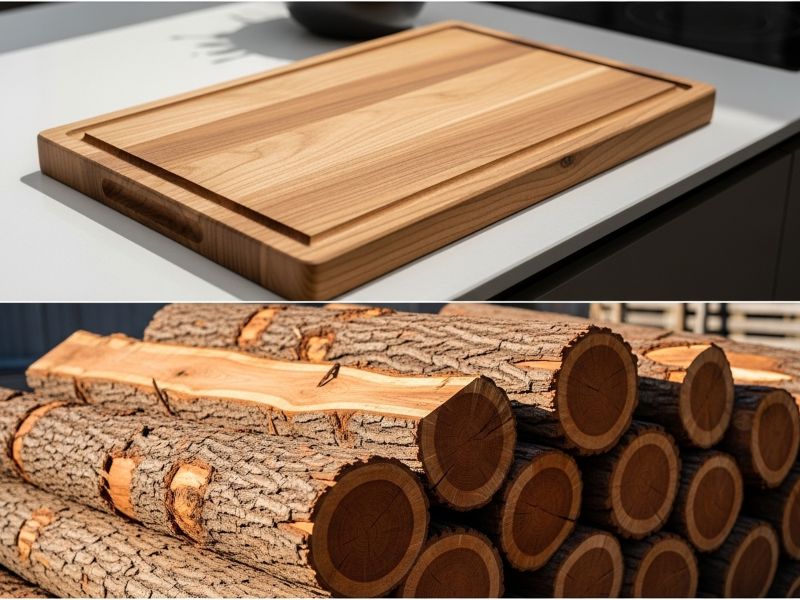
Teak cutting boards leverage the wood’s legendary marine-grade durability and natural oil content to create low-maintenance surfaces with excellent moisture resistance. The species’ cellular structure contains high levels of natural oils and silica compounds that protect against rot, warping, and bacterial growth without regular conditioning treatments.
Teak cutting boards are widely favored for their rich golden-brown color, natural resistance to moisture, and long-lasting durability. The wood’s dense grain and natural oils help repel water and stains, making it a practical choice for busy kitchens. Its attractive appearance and low-maintenance qualities have made it a popular option among professional chefs and serious home cooks alike.
While teak does contain higher silica content—which can accelerate knife dulling over time—many users consider this a worthwhile trade-off given its exceptional stability, resistance to warping, and premium aesthetic appeal.
Teak cutting board characteristics:
- Natural oils eliminate need for regular conditioning treatments
- Exceptional moisture resistance prevents warping and cracking
- Dense grain structure provides good durability for heavy use
- Low maintenance requirements suit busy kitchen environments
- Premium pricing reflects limited supply and processing costs
Knife impact considerations:
- High silica content accelerates blade dulling compared to maple or walnut
- Requires more frequent knife sharpening to maintain cutting performance
- Hard surface may cause premature edge chipping on delicate blades
- Professional kitchens often specify alternative woods to reduce blade maintenance
Teak works best for cooks who prioritize board longevity over knife preservation, or for specialty applications where moisture exposure creates challenges for other wood species.
2.2. Cherry
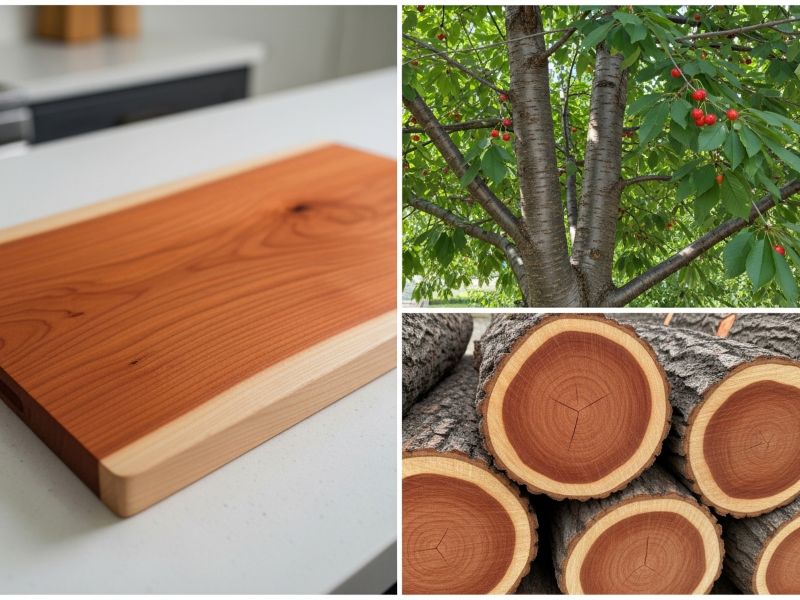
Cherry wood brings warm reddish tones and medium hardness characteristics to cutting board construction, offering a balance between aesthetic appeal and functional performance. The species exhibits fine-grain patterns that create smooth cutting surfaces while maintaining sufficient density for reasonable durability expectations.
The wood’s moderate hardness rating makes it exceptionally gentle on knife edges, often preferred by cooks working with high-end Japanese steel blades that require careful surface matching. However, this same softness means cherry boards show cut marks more readily than harder alternatives.
Cherry cutting board features:
- Medium hardness protects delicate knife edges during precision work
- Fine grain structure creates smooth cutting surfaces
- Natural color deepens to rich amber tones with age and exposure
- Compatible with various kitchen design themes and cabinet finishes
- Responds well to oil treatments and surface conditioning
Maintenance considerations:
- Shows knife marks more readily than harder wood species
- Requires regular oiling to prevent surface drying and cracking
- Color changes over time may not suit all aesthetic preferences
- Moderate durability limits suitability for heavy commercial use
Cherry excels in home kitchens where knife protection takes priority over board longevity, particularly for cooks investing in premium blade collections that benefit from softer cutting surfaces.
2.3. Beech

Beech wood serves as the European standard for cutting board construction, widely specified in commercial kitchens and home applications across the continent. The species offers grain characteristics similar to maple, with closed cellular structure and moderate hardness ratings that balance durability with knife protection.
However, beech’s moisture sensitivity creates challenges in humid environments, requiring more intensive maintenance schedules to prevent warping, splitting, and surface degradation. The wood’s performance depends heavily on environmental control and consistent care protocols.
Beech cutting board advantages:
- Fine, closed grain pattern resists bacterial penetration effectively
- Moderate hardness provides good knife protection during use
- Traditional European choice with proven commercial track record
- Neutral color works with various kitchen design schemes
- Cost-effective alternative to premium North American hardwoods
Environmental sensitivity factors:
- Higher maintenance requirements in humid climates
- Prone to warping without proper sealing and conditioning
- Requires climate-controlled storage to maintain stability
- Performance varies significantly based on seasonal humidity changes
Beech boards work well for cooks in controlled environments who can commit to regular maintenance schedules, offering proven European performance standards at reasonable pricing.
3. Which Wood is Best for Your Cooking Style?

Selecting the optimal cutting board wood requires matching material characteristics to your specific kitchen habits, maintenance capabilities, and performance priorities. Safety factors including closed grain patterns, food-safe finishes, and natural antimicrobial resistance form the foundation for any quality cutting board choice.
Performance factors determine long-term satisfaction and value. Knife-friendliness affects blade maintenance costs and cutting efficiency. Longevity impacts replacement frequency and total ownership costs. Ease of care influences whether the board enhances or complicates your kitchen workflow.
Consider your cooking frequency, knife investment level, and willingness to perform regular maintenance when evaluating wood options. Heavy daily use demands different characteristics than occasional food preparation, while expensive knife collections require gentler surfaces than standard blade sets.
Decision matrix for wood selection:
| Cooking Style | Recommended Wood | Primary Reasons |
| Knife enthusiast/collector | Walnut or Cherry | Superior edge protection, self-healing properties |
| Busy family kitchen | Maple or Acacia | Low maintenance, bacterial resistance |
| Entertainment/presentation | Walnut | Premium appearance, serving functionality |
| Budget-conscious cook | Acacia | Cost-effective quality, adequate performance |
| Commercial/heavy use | Hard Maple | Professional standards, proven durability |
Safety should always come first. Closed-grain woods like maple and beech naturally resist bacteria better than open-grain types, especially when paired with food-safe oil finishes. These protective layers add hygiene and durability.
Maintenance plays a key role in long-term satisfaction. Walnut and cherry need regular oiling and careful care. Maple is more forgiving, while teak offers low maintenance but can be tough on knife edges.
Your cutting board reflects both your kitchen habits and cooking style. Maple suits those who value professional performance and food safety. Walnut brings beauty and warmth, ideal for kitchens where presentation matters.
At Koppen, we believe a cutting board should enhance both daily prep and special meals. Investing in quality wood ensures years of reliable use and protects your knives over time.
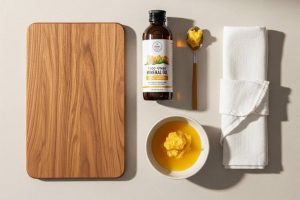
No matter your choice, consistent care makes all the difference. Regular oiling, quick cleaning, and proper storage help any board, even budget-friendly ones, last for years. In the end, the best wood for cutting boards is one that balances material quality with a care routine that fits your lifestyle.
Read more: