It’s not easy to find the right wooden cutting board that fits your needs with so many types and brands out there. Luckily, we got the chance to get our hands on a lot of products and we’ll do the hard work for you. We’ve tested different brands and types of wood, along with other aspects like size, weight, durability,…
In this article, we will show you the best wooden cutting boards that we can find. Hopefully we can save some of your money by buying and trying different cutting boards.
Our Top Picks for The Best Wooden Cutting Boards
Based on our guidelines and testing, we came to the conclusion that the 5 best wooden cutting boards we think are the best.
Best Overall: Boardsmith Maple End-Grain Cutting Board
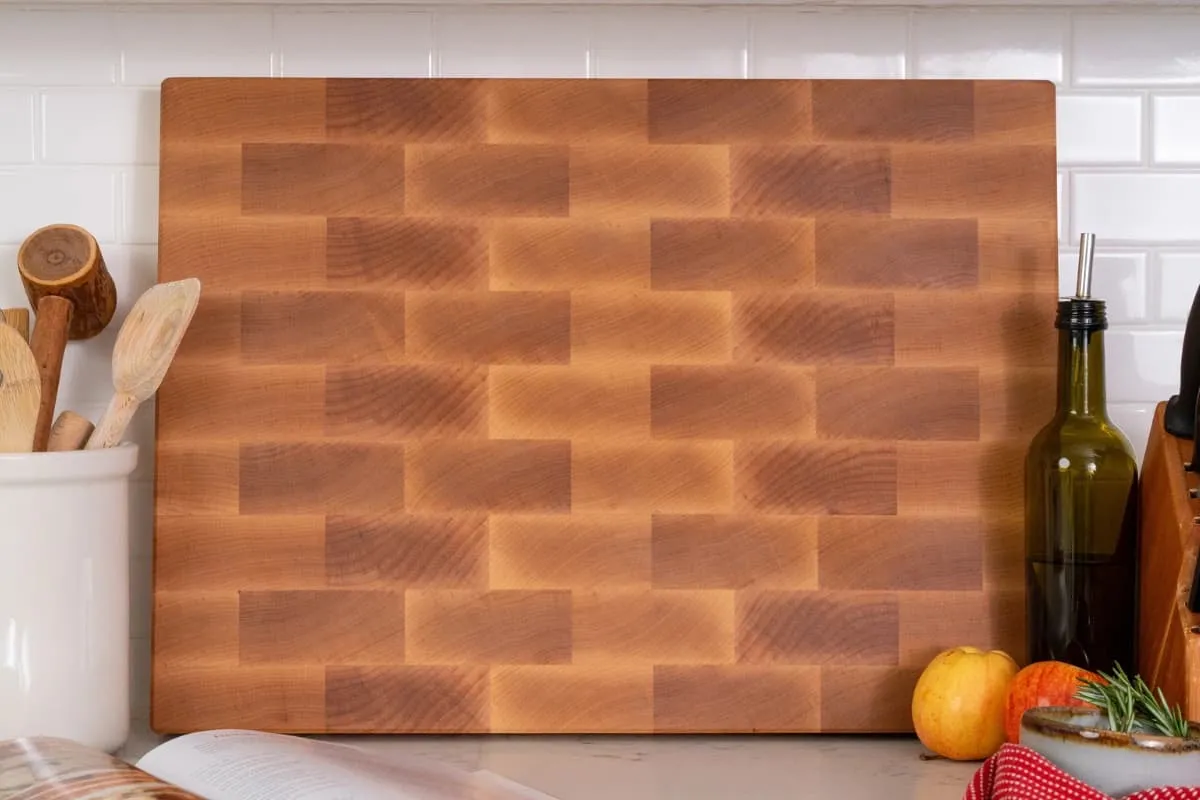
- Boardsmith Maple End-Grain Cutting Board
The Boardsmith Maple End-Grain Cutting Board earned recognition as Serious Eats’ top-rated wooden cutting board in May 2025, delivering professional-grade performance that justifies its premium positioning. Priced at approximately $230-500 depending on size configurations, this premium cutting board comes in a variety of sizes including Butcher: 12″ x 18″ x 2″, Carolina Cut: 16″ x 22″ x 2″, Big Block: 18″ x 24″ x 2″ and weighs approximately 9-24 lbs depending on the size, providing ample workspace for comprehensive meal preparation while maintaining countertop manageability.
Made from premium end-grain hard maple, this board is exceptionally gentle on knives as blades slide between fibers rather than across them. Its self-healing surface helps maintain durability and sharpness over time. Dense and moisture-resistant, it withstands warping and cracking with proper care—ideal for long-term, heavy kitchen use.
The thick build offers excellent stability for heavy chopping, while the smooth finish needs little break-in. Trusted by chefs and home cooks, it handles everything from fine slicing to meat prep with minimal wear. Its reversible surface doubles the workspace, often used with one side dedicated to specific ingredients for better food safety.
Best Value: Koppen Acacia End Grain Cutting Board

- Koppen Acacia End Grain Cutting Board
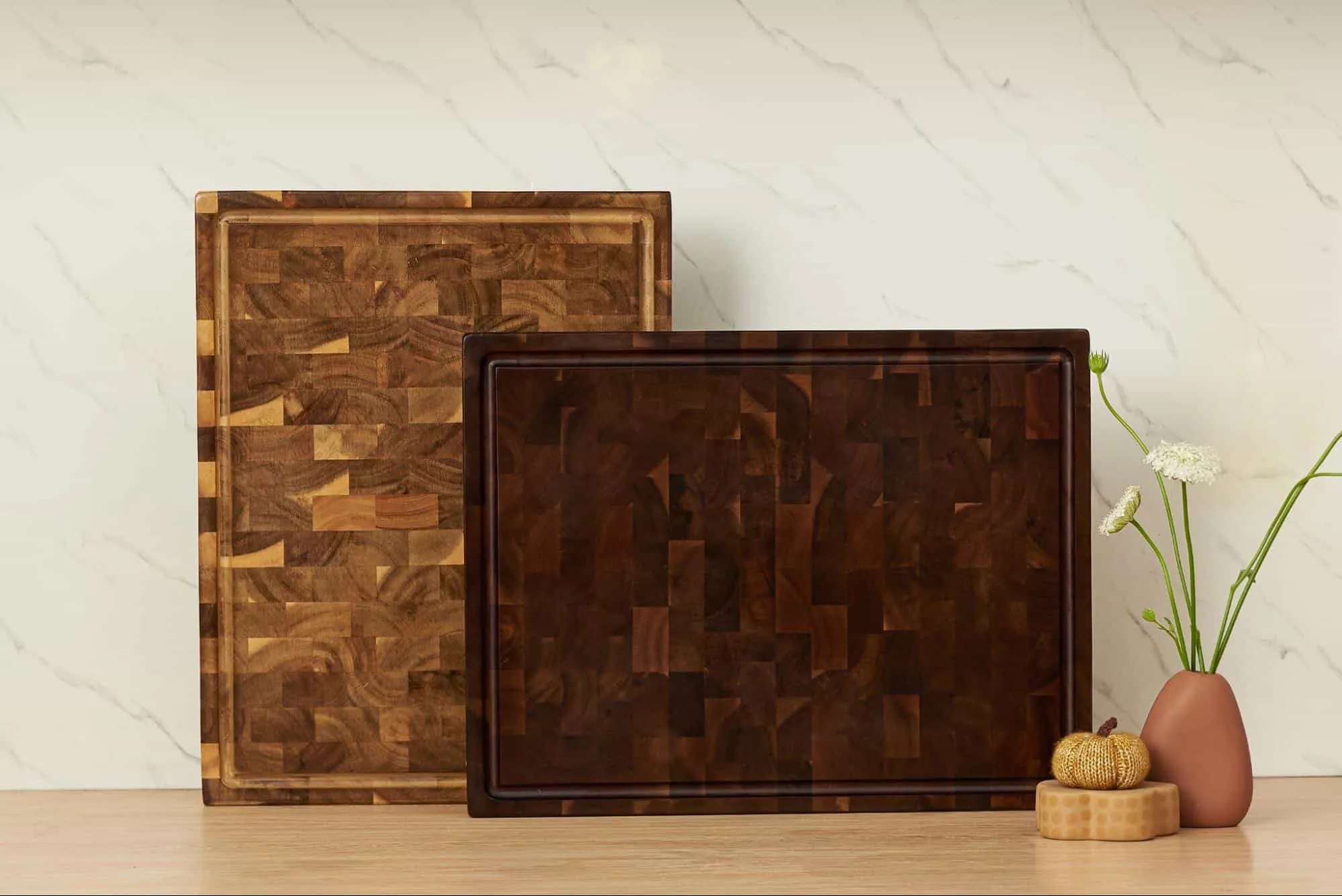
The Koppen Acacia End Grain Cutting Board delivers remarkable performance at approximately $53-75, representing exceptional value in the premium cutting board category. Available in 20″ x 15″ x 1.5″ and 17″ x 13″ x 1.5″ sizes, this acacia construction offers excellent durability with distinctive grain patterns that complement modern kitchen aesthetics while providing practical functionality that rivals boards costing twice as much. Its affordable price point is made possible by sourcing sustainably harvested acacia wood from Vietnam, where an abundant supply helps reduce material costs without compromising quality.
Acacia wood offers a hard, antimicrobial surface that’s gentle on knives. Its end-grain design protects blade edges, while the 1.5-inch thickness ensures stability without being too heavy. Both sides are smooth and reversible, great for separating food types or doubling as a stylish serving board for meats, cheeses, or bread.
This board is an excellent choice for apartments and compact kitchens, offering generous workspace without demanding much storage. Its acacia grain naturally resists moisture, especially when well-seasoned, making it easier to maintain than more porous woods.
It’s a popular gift for new homeowners and aspiring cooks, thanks to its balance of function and style. Beginners appreciate its forgiving surface, which shows fewer knife marks and provides helpful tactile feedback that supports proper technique development. This product also comes in thoughtfully designed packaging that’s gift-ready, no additional wrapping required, making it a convenient and elegant choice for special occasions.
Visually, the rich acacia grain adds a warm, modern touch to any kitchen, blending aesthetics with daily practicality
Best for Meat & Heavy Use: Teakhaus Professional Carving Board
- Teakhaus Professional Carving Board
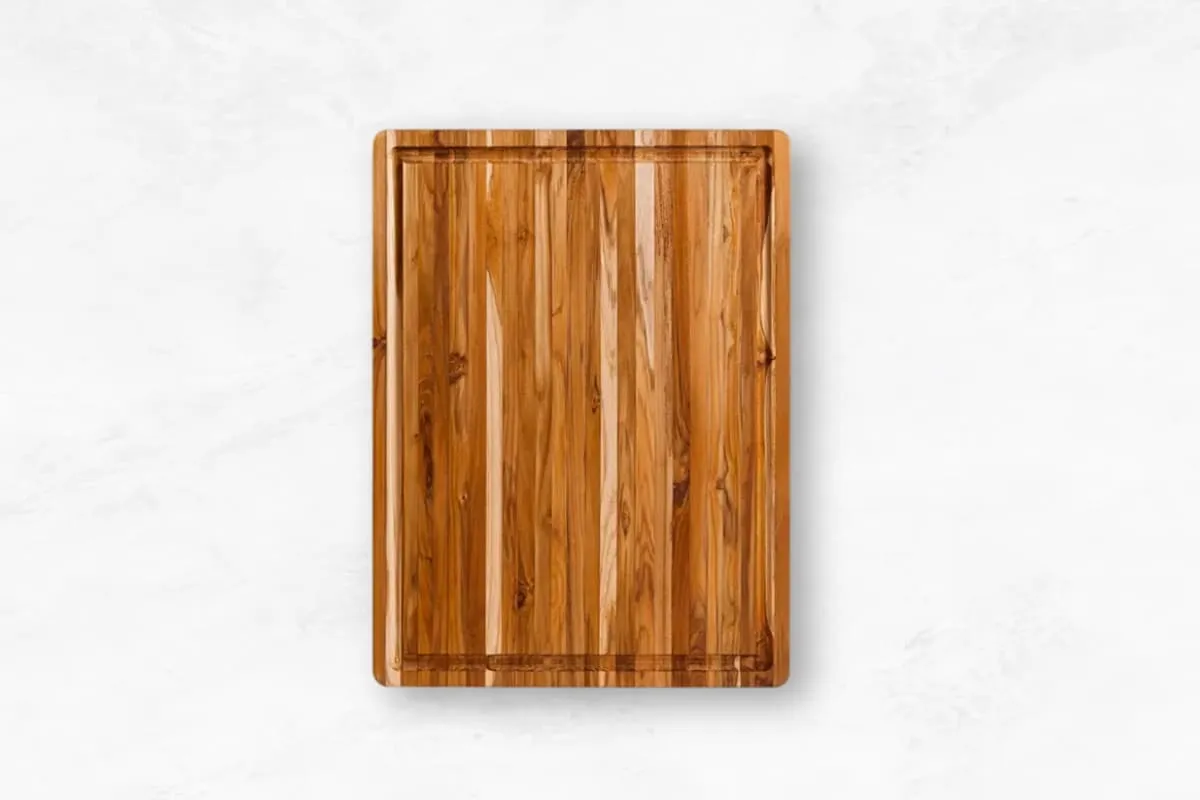
The Teakhaus Professional Carving Board, retailing around $139, specializes in meat preparation with design features that address the unique challenges of handling large cuts and managing juices effectively. Available in multiple sizes, this board offers generous workspace across all variants. Each size features integrated juice grooves that effectively channel liquids away from the cutting surface, helping to maintain a clean prep area and prevent countertop contamination.
Teak construction offers exceptional moisture resistance and natural oils that provide antimicrobial protection without additional treatments. The dense hardwood structure maintains stability during aggressive cutting motions, while the substantial dimensions accommodate everything from holiday roasts to daily protein preparation. The juice groove system, carved approximately 0.5 inches from the board perimeter, contains spillage while maintaining clean working surfaces.
Professional-grade rubber feet secure the board during use, preventing sliding that can cause accidents during intensive cutting sessions. The board’s weight distribution creates a stable platform that absorbs cutting impact, reducing knife dulling while protecting underlying countertop surfaces. Home cooks who regularly prepare large meals or process whole birds find the specialized design invaluable, though the size may overwhelm smaller kitchen spaces.
Best Budget-Friendly: John Boos Chop-N-Slice Series Rectangular Wooden Maple Cutting Board
- John Boos Chop-N-Slice Series Rectangular Wooden Maple Cutting Board
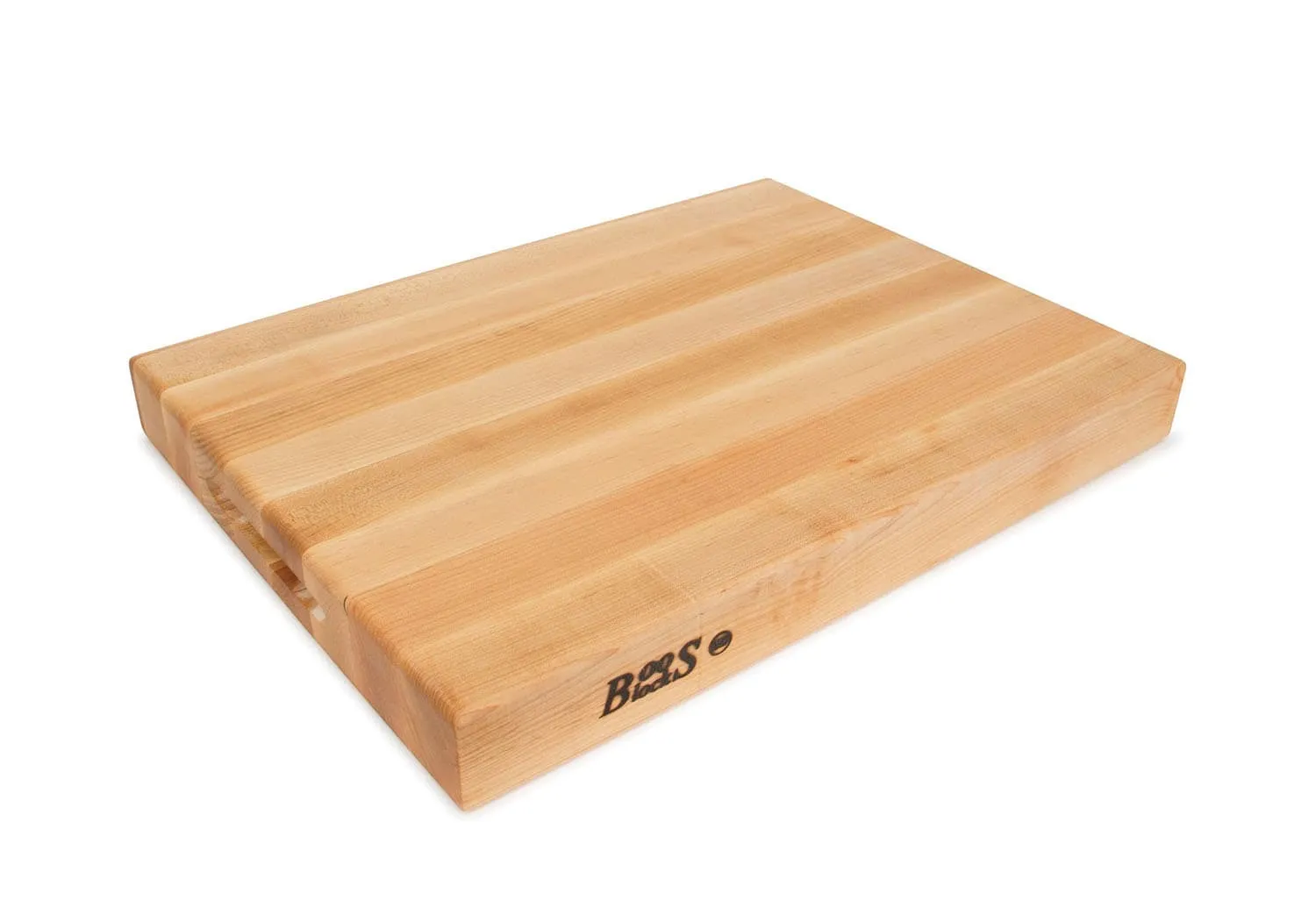
The John Boos Chop-N-Slice Series Rectangular Maple Cutting Board delivers professional-grade construction from a trusted manufacturer at approximately $57-72, proving that premium brand quality remains accessible to budget-conscious cooks.
This edge-grain maple board is available in multiple sizes to suit various kitchen needs. Among the most popular options are the 16″ × 10″ × 1.25″ and 18″ × 12″ × 1.25″ models, which strike a balance between ample cutting space and easy storage, making them ideal for everyday home use.
Crafted from hard maple, this edge-grain board delivers professional-grade durability and knife-friendliness at an accessible price. John Boos’ precision craftsmanship ensures a smooth finish and reliable quality. At 1.25 inches thick, it offers stability without being too heavy for daily use. The reversible design adds versatility, while clean edges suit any kitchen style. Ideal for beginners and seasoned cooks alike, it balances performance, longevity, and value.
Best Eco-Friendly: Koppen Set 3 MoistureBlock Bamboo Tech Cutting Board
- Koppen Set 3 MoistureBlock Bamboo Tech Cutting Board
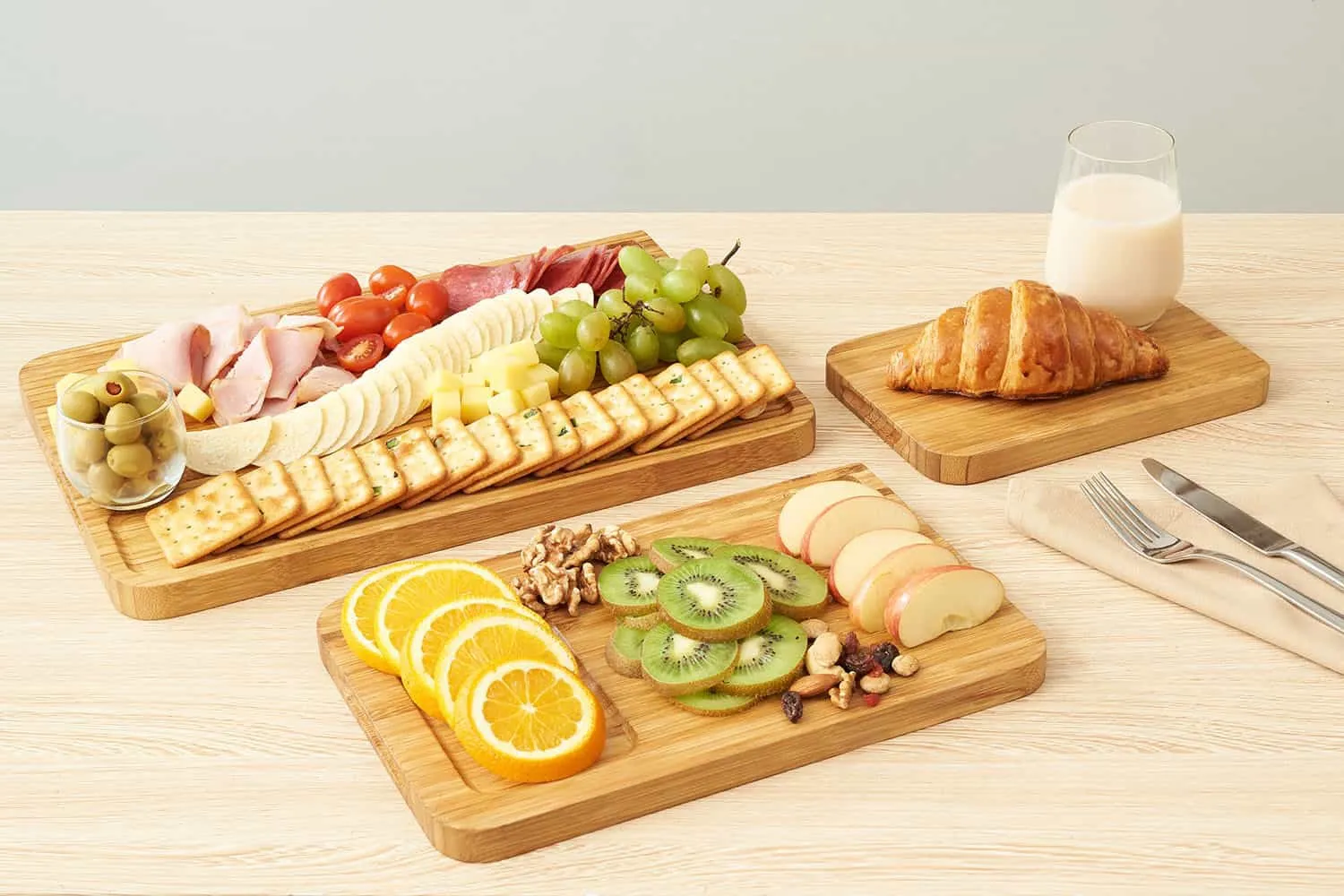
Koppen’s bamboo cutting board set offers an eco-conscious solution without sacrificing everyday kitchen performance. This three-piece collection includes small (9″ × 6″), medium (12″ × 8″), and large (15″ × 10″) boards—perfect for prep, slicing, and serving.
Priced around $38, the set features Koppen’s proprietary MoistureBlock™ technology, which enhances bamboo’s natural water resistance, helping each board stay smooth, dry, and warp-resistant over time. This innovation reduces moisture absorption by up to 50%, increases hardness by 20–30%, and makes the boards up to three times more durable than standard bamboo alternatives, offering long-term strength for everyday kitchen use.
Bamboo grows rapidly without the need for replanting, making it one of the most sustainable materials for cutting boards. Koppen sources bamboo from responsibly managed suppliers, supporting eco-conscious manufacturing while reducing environmental impact. The production process also uses non-toxic finishes and adhesives to maintain high food safety standards from start to finish.
Eco-conscious households appreciate receiving multiple specialized boards for different food categories. The color-coded system prevents cross-contamination between raw meats, vegetables, and prepared foods. Each board features smooth surfaces that clean easily while maintaining bamboo’s natural antimicrobial properties.
Beginning cooks benefit from the graduated sizes that match different prep tasks. The small board handles herbs and garnishes, while the large board accommodates full meal preparation. Professional chefs use similar systems to maintain food safety protocols in commercial kitchens.
MoistureBlock technology addresses traditional bamboo weaknesses through engineered fiber alignment that resists warping and cracking. This innovation extends board life significantly compared to basic bamboo alternatives while maintaining the material’s lightweight, knife-friendly characteristics. Regular cleaning with soap and water maintains optimal performance without requiring intensive oiling schedules.
How to Choose the Right Wooden Cutting Board for Your Needs
Choosing the right wooden cutting board means balancing material, size, and maintenance with your cooking habits. Consider hardness vs. knife-friendliness, storage space, and cleaning routines to match your lifestyle and meet food safety needs..
Choosing Based on Material Type
- Wood selection
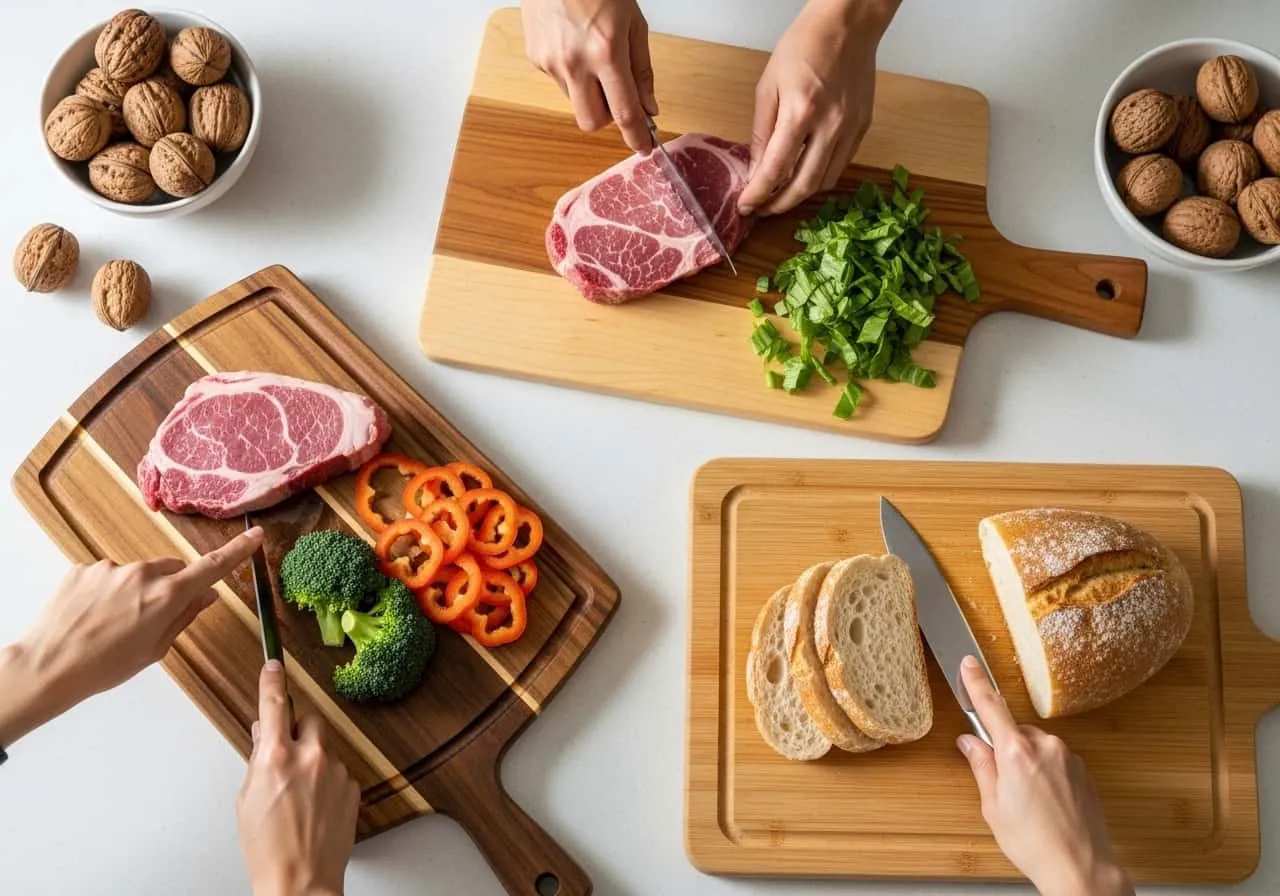
Wood selection significantly impacts cutting board performance, durability, and maintenance requirements. Each species offers distinct characteristics that suit different cooking styles and preferences. Understanding these differences helps you choose boards that align with your kitchen needs and cooking habits.
- Maple’s exceptional hardness and tight grain make it ideal for heavy use, resisting bacteria and preserving knife edges. Valued in professional kitchens for its reliability and low maintenance, its neutral look fits seamlessly into any kitchen style.
- Walnut combines moderate hardness with rich grain patterns, adding elegance to any kitchen. Its dark color hides stains well, and natural oils offer light water resistance for easier care. Durable enough for home use, walnut boards are also favored for stylish serving and presentation.
- Acacia offers strong durability and striking grain patterns, paired with natural antimicrobial benefits. Its dense build resists warping and cracking, while sustainable sourcing makes it an eco-friendly choice. Combining beauty and function, acacia is perfect for everyday kitchen use.
- Bamboo is durable, lightweight, and eco-friendly thanks to its fast renewability. Modified construction improves moisture resistance, while its natural look suits modern kitchens. Affordable and practical, it’s a great choice for budget-conscious home cooks.
| Wood Type | Hardness | Durability | Sustainability | Knife Impact | Maintenance | Price Range |
| Maple | High | Excellent | Good | Minimal | Moderate | $40-80 |
| Walnut | Medium | Good | Good | Low | Low | $50-100 |
| Acacia | High | Excellent | Excellent | Minimal | Moderate | $35-70 |
| Bamboo | Medium | Good | Excellent | Low | Low | $25-50 |
Choosing Based on Grain Type
- Wood selection
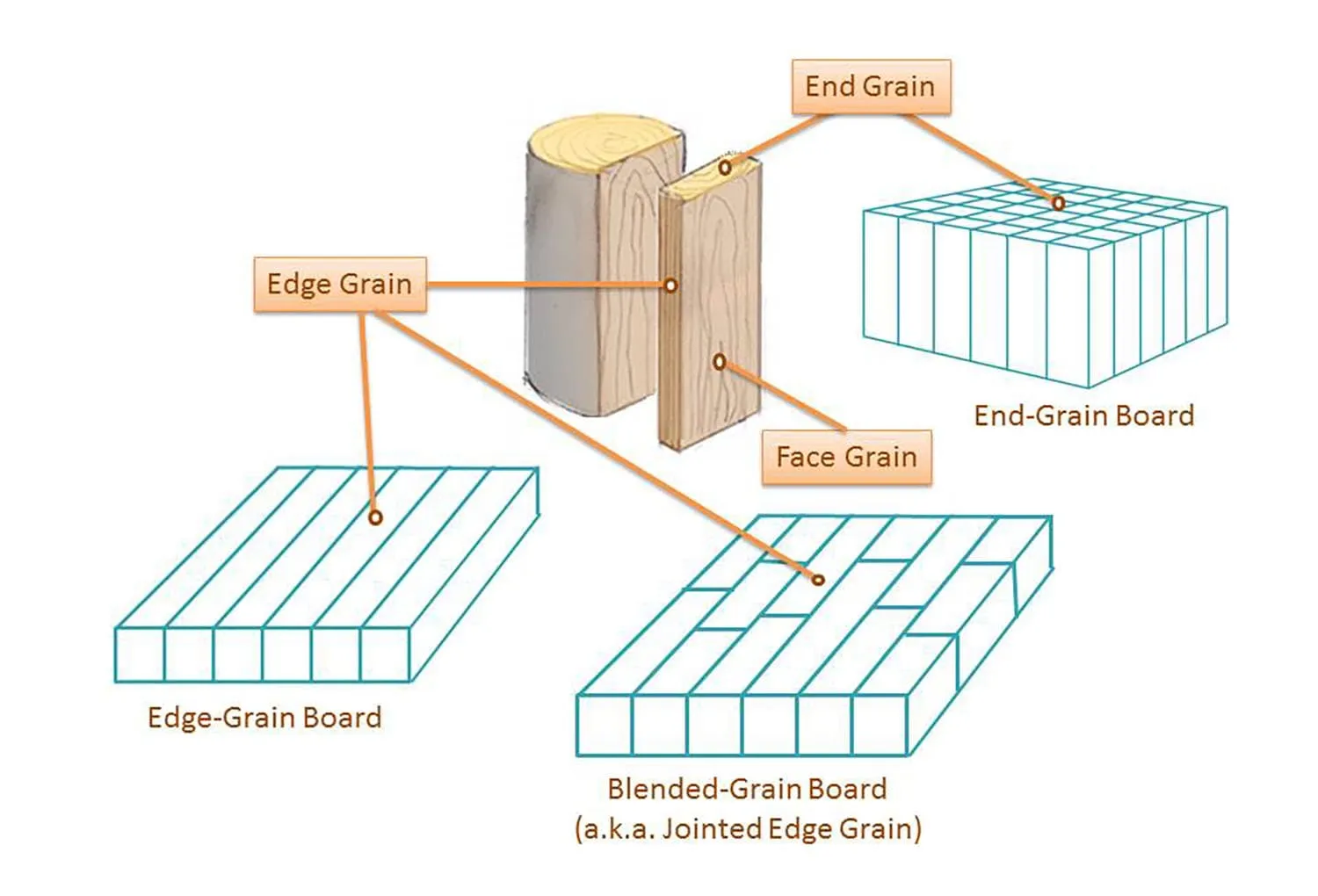
Understanding wood grain orientation and species characteristics enables informed decisions that match board performance with cooking requirements. Different configurations offer distinct advantages in knife preservation, durability, and maintenance needs.
| Grain Type | Knife Friendliness | Durability | Maintenance | Price Range |
| End Grain | Excellent | Highest | Medium | $80-$300 |
| Edge Grain | Good | High | Low | $25-$150 |
| Face Grain | Fair | Medium | Low | $15-$100 |
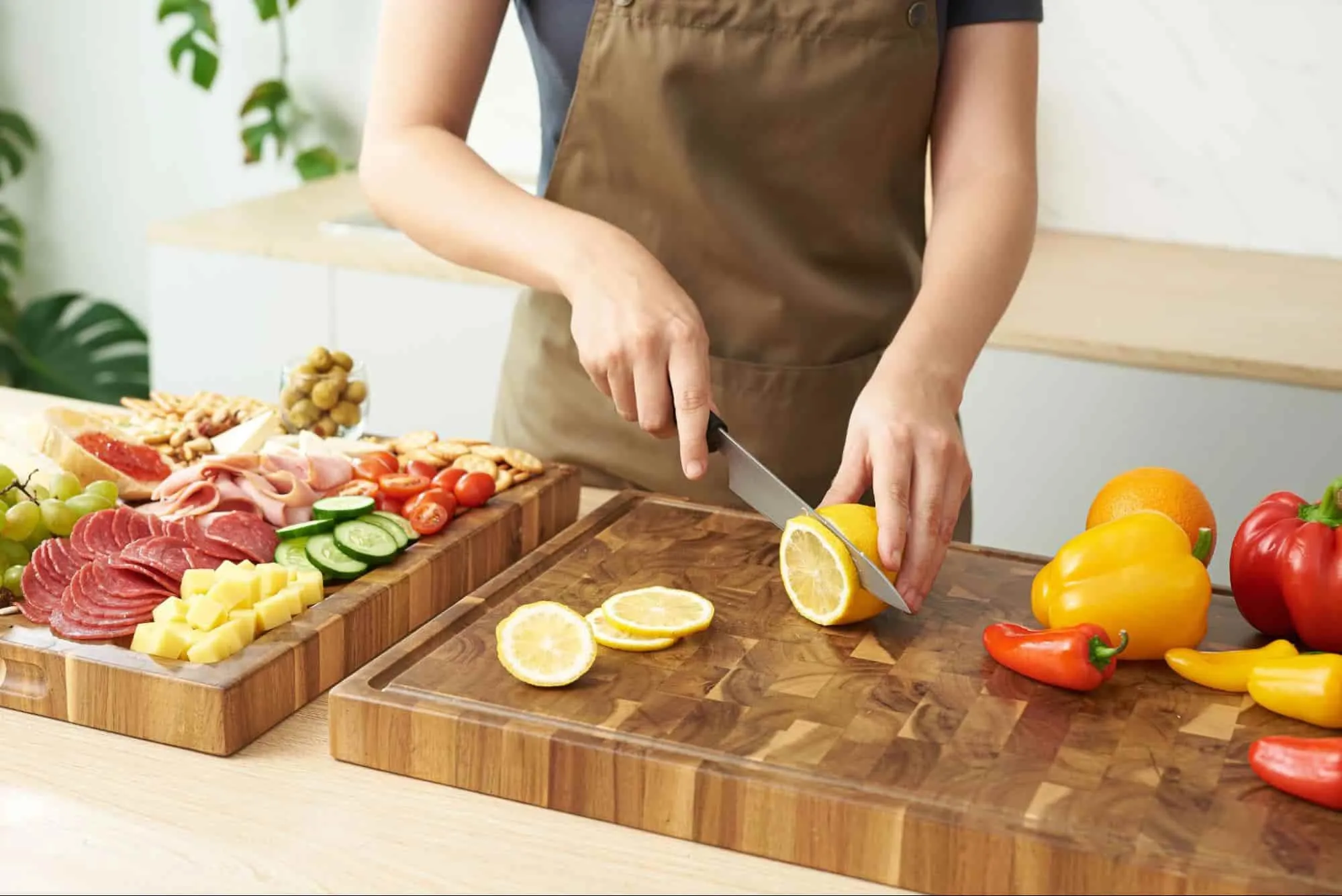
End-grain boards position wood fibers vertically, allowing knife edges to separate fibers rather than cutting across them. This orientation provides maximum knife protection while enabling the wood to close minor cuts naturally. End-grain construction requires more complex manufacturing, resulting in higher costs, but delivers superior longevity and cutting performance that justifies the investment for serious cooks.
- End-grain boards
Edge-grain boards arrange wood strips with fibers running parallel to the cutting surface, creating smooth, attractive patterns while maintaining good knife compatibility. This construction balances performance with affordability, making edge-grain boards popular for daily cooking tasks where moderate durability meets practical budget constraints.
Face-Grain Construction showcases wood beauty while providing basic cutting functionality. The construction exposes wide wood surfaces, creating attractive grain patterns ideal for serving applications. The smooth surface supports light cutting tasks while maintaining aesthetic appeal. Face-grain boards work well for entertaining and presentation purposes.
Choosing Based on Your Kitchen Needs
Matching cutting board specifications with actual cooking patterns ensures optimal functionality without unnecessary complications or inadequate performance.
Cooking frequency determines durability requirements and maintenance tolerance. Daily cooks benefit from boards that withstand regular use while requiring minimal upkeep, making edge-grain maple or acacia excellent choices. Occasional cooks can prioritize aesthetics or specialized features since intensive wear won’t compromise longevity.
Primary ingredients influence size and design preferences. Vegetable-focused cooking requires moderate surfaces with good portability for ingredient transfer, while meat preparation demands larger boards with juice groove capabilities. Mixed cooking benefits from multiple specialized boards or reversible designs that accommodate different ingredient types safely.
- Thick or Thin Cutting Boards
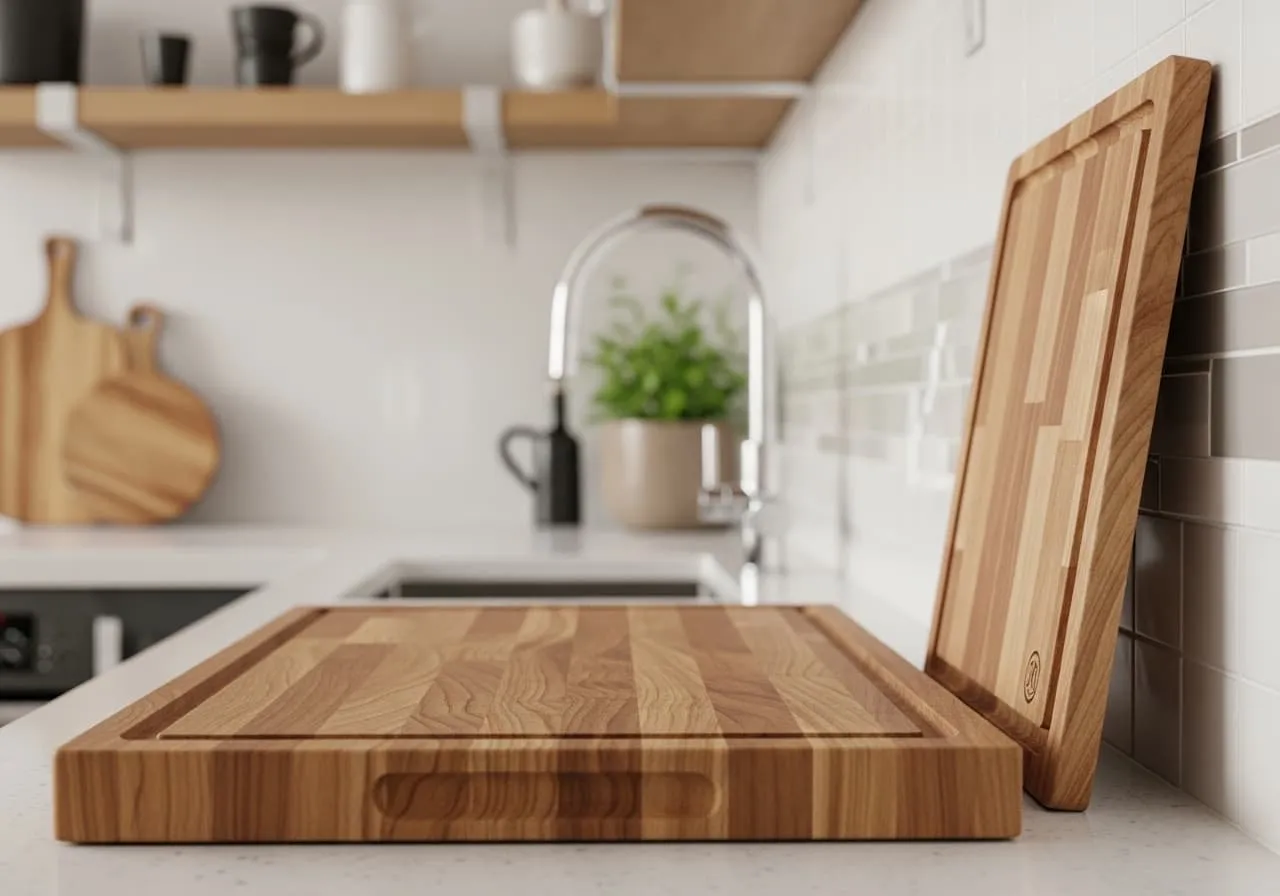
Weight and storage limitations affect board selection significantly. Thick end-grain boards provide superior performance but require dedicated storage space and comfortable handling strength. Thinner edge-grain alternatives offer easier management with slightly reduced cutting performance, making them suitable for compact kitchens or users with physical limitations.
Single board versus sets depends on cooking complexity and food safety priorities. Professional cooks often prefer multiple specialized boards to prevent cross-contamination, while casual users may find comprehensive single boards more practical and economical.
Choosing Based on Maintenance
- Choosing Based on Maintenance
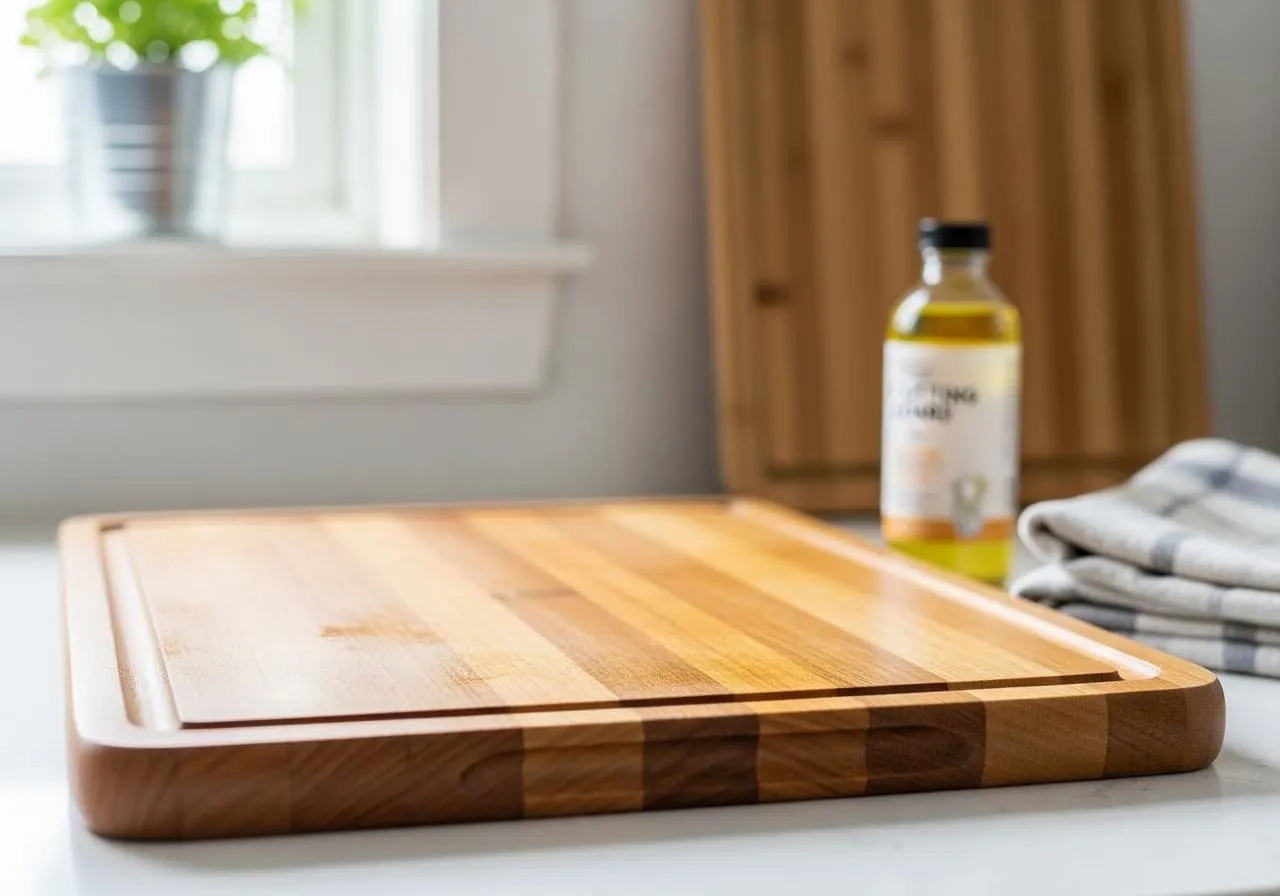
Understanding maintenance requirements prevents disappointment and ensures board longevity through proper care practices.
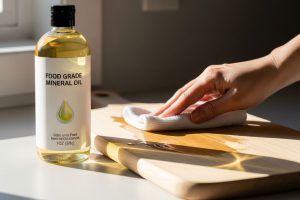
Oiling frequency varies by wood species and usage intensity. Dense hardwoods like maple require monthly oiling under normal use, while softer species may need weekly attention. Bamboo boards often need minimal oiling due to natural moisture resistance, making them suitable for users who prefer low-maintenance options.
Cleaning methods must align with lifestyle preferences and hygiene standards. All wooden boards require hand washing with mild soap and immediate drying to prevent moisture damage. Users comfortable with careful maintenance can choose any wood species, while those preferring simplified care should select naturally antimicrobial species like teak or bamboo.
Replacement indicators include deep cut accumulation, persistent odors despite cleaning, warping that affects stability, or crack development that harbors bacteria. Quality boards typically provide 5-15 years of service depending on usage intensity and maintenance consistency, making proper care essential for investment protection.
Frequently Asked Questions (FAQ)
Can I use the same wooden cutting board for raw and cooked meat and veggies?
Using separate cutting boards for raw meat and other ingredients represents the safest approach, preventing cross-contamination that can cause foodborne illness. However, single-board usage remains possible with proper techniques: designate specific board areas or sides for different ingredients, clean thoroughly with hot soapy water between uses, and sanitize with diluted bleach solution when handling raw proteins. Many home cooks successfully use reversible boards with one side dedicated to meat preparation.
How long you need to replace the cutting board?
Well-maintained wooden cutting boards typically last 5-15 years depending on usage intensity and care consistency. Replacement becomes necessary when boards develop deep cuts that harbor bacteria, persistent odors despite thorough cleaning, warping that affects stability, or cracks that compromise food safety. Premium boards like end-grain maple often exceed 10 years with proper maintenance, while budget options may require replacement within 3-5 years under regular use.
My wooden cutting board bent and cracked, what should I do?
Minor warping often corrects through moisture equalization: place the board on a flat surface with the curved side down, apply damp towels to the concave surface, and weight it down for 24-48 hours. For cracks, discontinue food contact immediately as bacteria can harbor in crevices. Small surface cracks may be sanded smooth, but deep cracks require board replacement to maintain food safety standards.
Do wooden boards dull knives faster than plastic ones?
Quality wooden cutting boards preserve knife sharpness better than plastic alternatives. Wood fibers yield slightly to blade pressure, reducing edge damage, while hard plastic creates microscopic chips that dull knives quickly. End-grain wooden boards offer maximum knife protection by allowing blades to separate wood fibers rather than cutting across them, extending sharpening intervals significantly compared to plastic surfaces.
Can I put my wooden cutting board in the dishwasher?
Never place wooden cutting boards in dishwashers, as high temperatures and prolonged moisture exposure cause warping, cracking, and finish deterioration. Hand washing with warm soapy water followed by immediate thorough drying preserves board integrity while maintaining hygiene standards. The gentle approach extends board life significantly compared to harsh dishwasher conditions that can destroy wooden boards within months.
How Do You Know If a Wooden Cutting Board Is Food-Safe?
Food-safe wooden cutting boards feature smooth surfaces without splinters or deep cuts, neutral odors indicating proper cleaning, and stable construction without loose pieces. Look for boards finished with food-grade mineral oil or beeswax rather than industrial lacquers. Reputable manufacturers provide food safety certifications and care instructions that maintain hygienic conditions throughout the board’s lifespan.
Final Thoughts: Choosing the Cutting Board That Feels Right for You
- Choosing the Cutting Board That Feels Right for You

The perfect wooden cutting board balances material quality, size requirements, and maintenance preferences with your specific cooking patterns and kitchen environment. Whether you prioritize the knife-preserving excellence of end-grain maple, the practical value of acacia construction, or the eco-friendly benefits of sustainable bamboo, success depends on matching board characteristics with realistic usage expectations and care capabilities.
Consider your cooking frequency, ingredient preferences, and storage limitations when evaluating options, remembering that quality boards represent long-term investments that improve with proper care. The boards featured in our top picks address different priorities and budgets while maintaining the performance standards that make the best wooden cutting boards superior to plastic alternatives.
Ready to find your perfect wooden cutting board? Revisit our top picks to discover the option that best matches your kitchen needs and cooking ambitions.