Many people wonder, “Is all mineral oil food grade?” The truth is, it’s not. While bottles may look alike, only certified food-grade mineral oil is safe for cutting boards and kitchen use. This guide helps you recognize the difference and choose the right oil for food safety.
Is All Mineral Oil Food Grade?
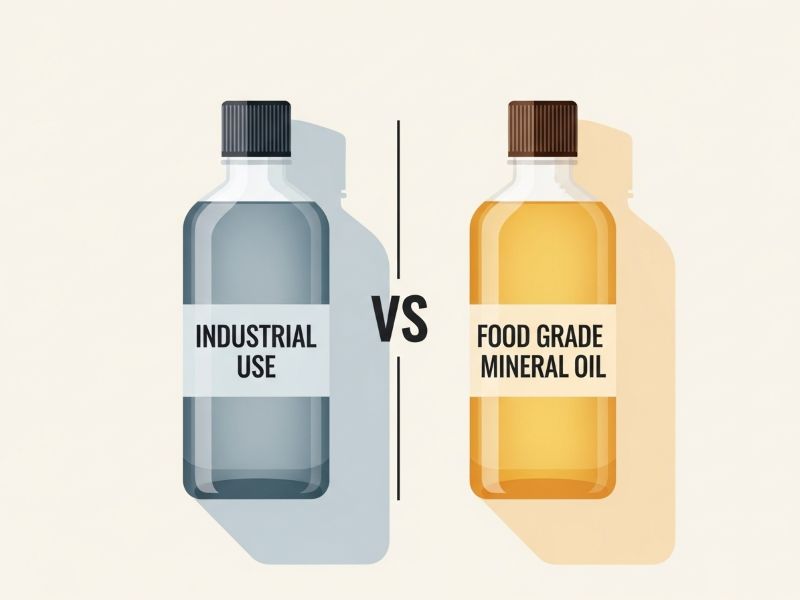
No – not all mineral oil qualifies as food grade. The term “mineral oil” covers a wide range of petroleum-derived hydrocarbons that differ in refinement, purity, and purpose. Some are made for machines, others for cosmetics or medicine, and only the highest-purity types are approved for food contact.
The main difference comes from how deeply the oil is refined and what contaminants are removed. Lower grades may still contain sulfur compounds, polycyclic aromatic hydrocarbons (PAHs), or trace metals – impurities that make them unsafe around food.
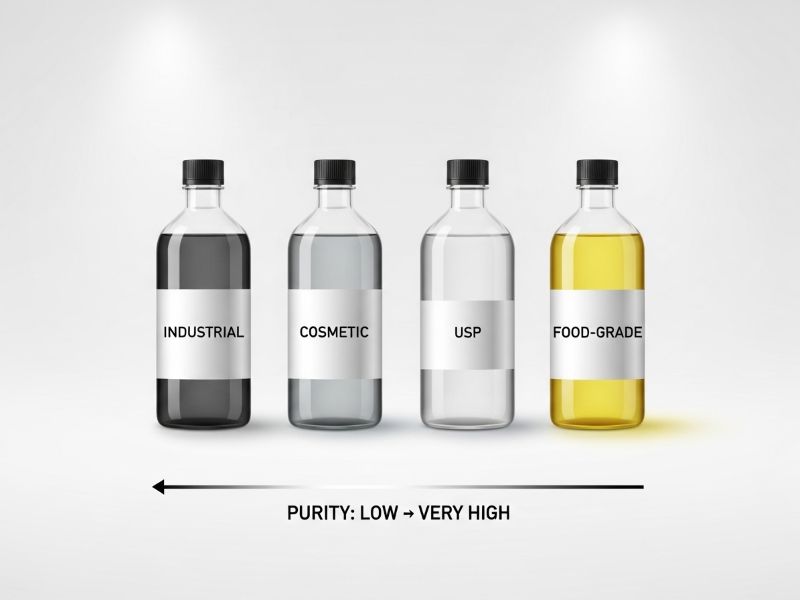
Understanding the grades taxonomy helps navigate product labels:
| Grade | Typical Use | Purity | Safe for Food Contact | Regulation |
|---|---|---|---|---|
| Industrial | Machinery | Low | No | – |
| Cosmetic | Skin oils | Medium | No | – |
| USP/NF | Pharmaceuticals | High | Sometimes | FDA |
| Food-grade/NSF H1 | Cutting boards | Very high | Yes | FDA, NSF |
Industrial-grade mineral oil is the lowest quality, designed for mechanical lubrication. It retains chemical residues that can transfer to wood or food, making it unsafe in the kitchen.
Cosmetic-grade oil goes through moderate purification and is safe for external skin use but often contains fragrances, dyes, or stabilizers – additives that disqualify it for food contact.
USP (United States Pharmacopeia) mineral oil is pharmaceutical-grade and meets strict purity tests, removing harmful compounds. It’s suitable for medicinal uses and sometimes approved for food contact, but only if the label clearly states FDA compliance.
Finally, food-grade mineral oil sits at the top of the purity scale. It’s refined to be colorless, odorless, tasteless, and free of harmful residues. To earn this label, it must meet FDA Code of Federal Regulations Title 21 §178.3620(a) standards for indirect food additives and often carries NSF H1 certification for incidental food contact.
In simple terms:
- Industrial = Unsafe
- Cosmetic = Skin-safe, not food-safe
- USP = Medicinal, partly food-safe
- Food-grade = 100% safe for food contact
Recognizing these differences helps prevent accidental exposure to petroleum contaminants. The next section will show how to verify food-grade mineral oil by checking certifications and labels.
Identifying Food-Grade Mineral Oil
Many shoppers assume all mineral oil is the same, but labeling tells a different story. Industrial, cosmetic, and food-grade bottles often look alike – yet only one is safe for your kitchen. The key is knowing how to verify the label before you buy.
Label Verification Checklist:
- Look for certification terms: Labels should clearly say “Food Grade,” “USP,” or “NSF H1.” These marks show the oil meets safety standards.
- Check the ingredients: True food-grade mineral oil lists only White Mineral Oil or Liquid Paraffin. Avoid anything with fragrance, colorants, or additives.
- Beware of “multi-purpose” oils: Vague marketing often hides industrial formulations not safe for food surfaces.
- Confirm brand transparency: Reputable brands publish their Safety Data Sheets (SDS) and list certifications on packaging or websites.
Regulatory Standards to Know:
- FDA (CFR Title 21 §178.3620(a)): Sets purity and safety limits for mineral oil used in food processing and packaging.
- USP (United States Pharmacopeia): Defines strict purity requirements for pharmaceutical and food use.
- NSF H1 Certification: Confirms lubricants are safe for incidental food contact, such as in commercial kitchens or machinery.
For home use, FDA and USP compliance provide more than enough safety assurance. In industrial food facilities, NSF H1 adds an extra layer of verification.
Real-World Example:
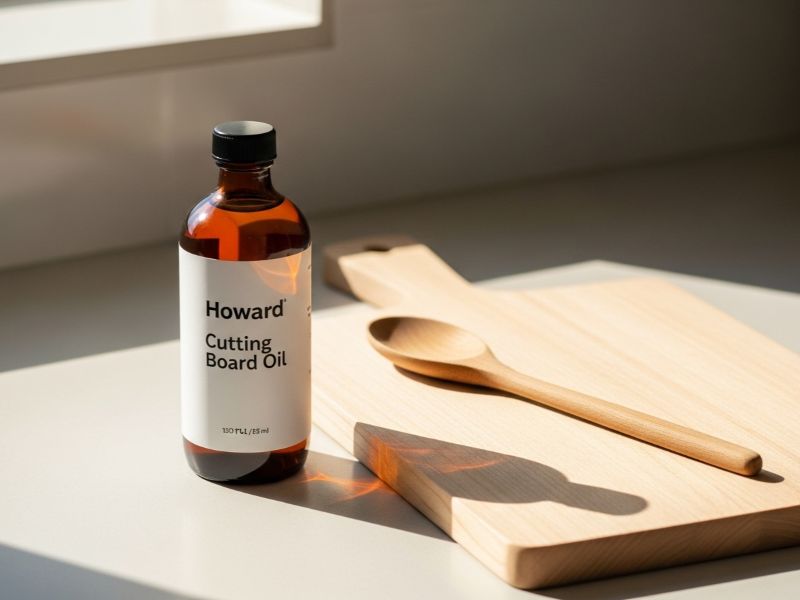
A bottle labeled “Howard Cutting Board Oil – USP, Food Grade, NSF H1 Certified” lists only white mineral oil and provides full certification data – safe for kitchen use.
In contrast, “Multipurpose Mineral Oil – For Tools and Machines” lacks food-grade labeling, warns against ingestion, and often includes additives unsuitable for food contact.
Final Tip:
Even if a label says “pure,” that doesn’t guarantee food-grade quality. Only oils explicitly marked as FDA-compliant, USP-certified, or NSF H1 are safe for cutting boards and utensils. When unsure, contact the manufacturer – genuine food-grade suppliers readily share documentation.
The next section explains why using certified food-grade mineral oil matters for both safety and the long-term condition of your wooden surfaces.
Read more: 7 Best Oils for Cutting Boards: Complete Food-Safe Guide (2025 Update)
Why Food-Grade Matters for Cutting Boards
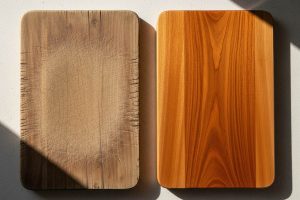
Food-grade mineral oil is the best protection for wooden cutting boards. It seeps deep into the grain, fills tiny pores, and forms a moisture barrier that stops the wood from soaking up water. This helps prevent cracking, warping, and splitting over time. Unlike plant oils, mineral oil stays stable, odorless, and non-toxic, so it never turns sticky or rancid.
How It Protects Wood:
Wood naturally absorbs water through its porous fibers. When those fibers swell and shrink with moisture changes, the board weakens.
Mineral oil, made of long-chain hydrocarbons, fills these pores and repels water. Its non-polar structure keeps it from mixing with moisture, creating a hydrophobic layer that stays stable for months. Because food-grade mineral oil doesn’t oxidize, it won’t spoil or leave unpleasant smells.
Why Mineral Oil Beats Plant Oils:
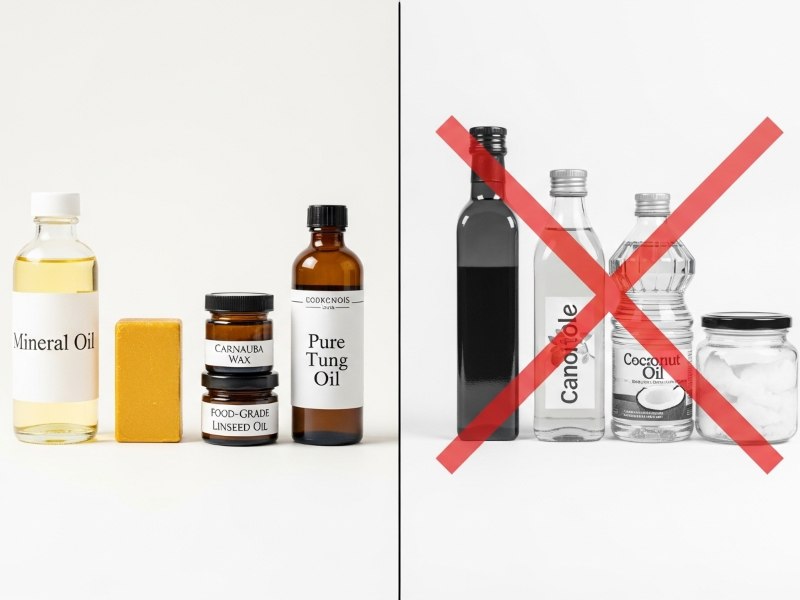
Plant-based oils like olive or coconut oil can work at first – but they oxidize over time. This chemical reaction causes rancid odors and sticky residue, making the board unsanitary and harder to clean.
Mineral oil avoids this problem completely. It’s chemically inert, leaving no taste, smell, or residue on your food.
Using Wax Blends for Extra Protection:
You can boost protection by mixing beeswax or carnauba wax with food-grade mineral oil. The wax adds a smooth, water-resistant coating, while the oil maintains flexibility and penetration. Use pure mineral oil first, then apply the wax blend as a topcoat.
How to Apply Mineral Oil:
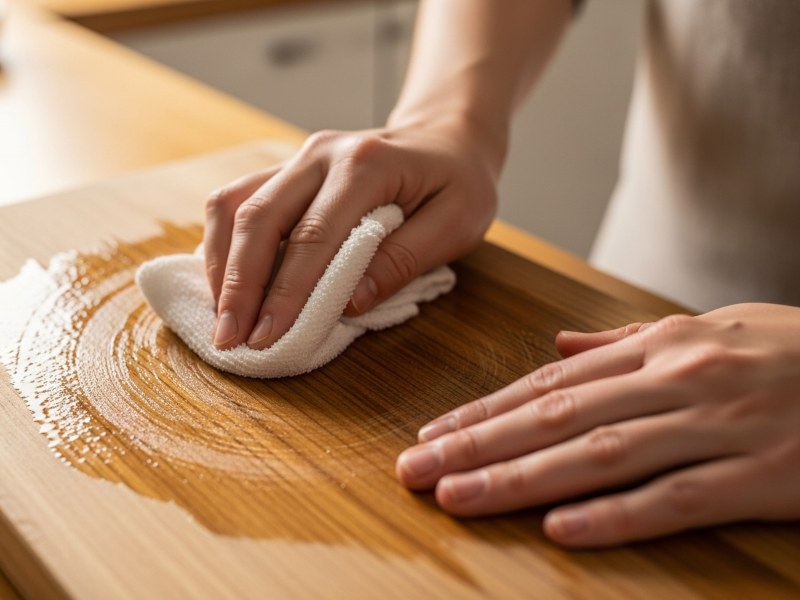
- Wash and fully dry your board.
- Pour a small amount of food-grade mineral oil onto a soft cloth.
- Rub evenly along the grain, paying extra attention to end grains.
- Let the oil soak for 20–30 minutes, then wipe off excess to prevent buildup.
Reapply monthly for frequently used boards – or when the surface looks dry and water stops beading.
For deeper conditioning, melt 4 parts mineral oil with 1 part beeswax, cool to a soft paste, and spread it evenly after the first oil treatment.
This systematic approach to cutting board care preserves wood integrity and maintains food safety. Choosing the right oil matters just as much as avoiding the wrong one. The following section identifies products and practices to exclude from your kitchen maintenance routine.
Read more: How to Oil a Cutting Board: Step-by-Step Guide for Long-Lasting Results
What to Avoid
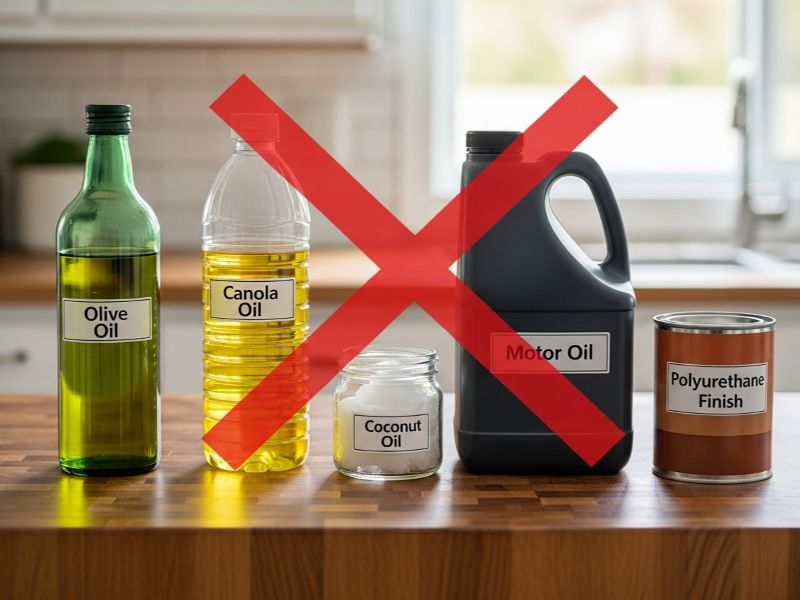
Not all mineral oils are safe for the kitchen. Some can harm your health or damage your cutting board. Knowing what to avoid helps you steer clear of industrial chemicals and keep your wood surfaces in good shape.
Industrial or Technical Mineral Oil
This type is made for machines, not food. It often contains sulfur, PAHs, and heavy metals left from the refining process.
Wood easily absorbs these contaminants, which can later transfer to food. Even small, repeated exposure increases long-term health risks. Industrial oil may be labeled “multi-purpose,” “tool lubricant,” or “machine oil.”
Cosmetic-Grade Mineral Oil
Safer for skin but not for food contact. These oils often include fragrances, dyes, or preservatives that can:
- Leave chemical odors or tastes on food.
- Cause irritation for sensitive users.Look for labels that say “fragrance-free” and confirm “USP” or “Food Grade” to ensure it’s safe.
Multi-Purpose Lubricants
Oils marketed for “general use” or “wood conditioning” without FDA or NSF certification should be avoided.
If the label doesn’t clearly mention “Food Grade,” “USP,” or “NSF H1,” assume it’s not food-safe.
Health and Material Risks:
- Chemical exposure: PAHs and trace metals may accumulate in the body over time.
- Wood damage: Additives like anti-wear compounds can stain or make the board sticky.
- Odor contamination: Petroleum smells can linger even after washing.
Real-World Example:
One home cook bought “100% Pure Mineral Oil” from a hardware store. It lacked food-grade labeling. After applying it to a butcher block, the board developed a strong petroleum smell that wouldn’t go away. The manufacturer later confirmed it was technical-grade oil, not safe for food contact. The board had to be sanded down to remove the residue.
How to Spot Unsafe Oils:
Check labels carefully for warning signs such as:
- “For external use only”
- “Not for food contact”
- “Industrial or technical use”
- “Suitable for tools, machinery, or leather”
If you see any of these, don’t use it on food surfaces. Stick to products clearly labeled as food-grade, USP, or NSF H1 certified – these meet safety standards for kitchens.
Final Recommendation
Not all mineral oils are created equal. If a surface touches food – like a cutting board, butcher block, or wooden utensil – only certified food-grade mineral oil is safe. Always check for labels such as “Food Grade,” “USP,” or “NSF H1”, and make sure the ingredients list only white mineral oil or liquid paraffin. Brands like Howard, JAX H1, UltraPro, and Thirteen Chefs clearly display these certifications, making them reliable choices for kitchen use.
Avoid vague “multi-purpose” or industrial oils, even if they claim to be pure. Certification isn’t just a label – it’s a safety standard that prevents chemical contamination and protects your health. Spending a few seconds to verify food-grade status ensures your cutting boards stay safe, clean, and long-lasting. In the kitchen, food-grade mineral oil is a small investment with lasting impact – preserving both your wood surfaces and your peace of mind.