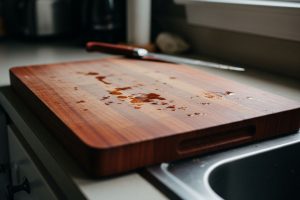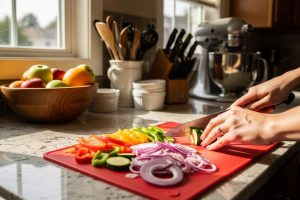
Hickory wood is strong and durable, ideal for cutting boards, but its hardness can affect knife preservation. This article explores its performance in kitchens and compares it with other materials, helping you decide if hickory is right for your needs.

What is Hickory Wood?
Hickory belongs to the Carya genus and grows primarily across North America. This deciduous hardwood includes several species, each with distinct characteristics but sharing common traits that define the hickory family.
The primary varieties used in woodworking include shagbark hickory (Carya ovata), pignut hickory (Carya glabra), mockernut hickory (Carya tomentosa), and pecan hickory (Carya illinoinensis). Each species exhibits slight variations in hardness and grain pattern, though all rank among the hardest domestic hardwoods available.
| Hickory Species | Janka Hardness (lbf) | Density (lb/ft³) | Grain Tightness |
|---|---|---|---|
| Shagbark | 1,880 | 51 | Moderately open |
| Pignut | 1,820 | 50 | Open |
| Mockernut | 1,900 | 52 | Open |
| Pecan | 1,820 | 49 | Moderately open |
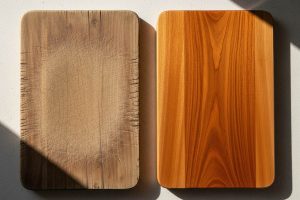
The wood displays a color range from pale cream sapwood to rich brown heartwood, creating a visual contrast that many find appealing. Texture varies from medium to coarse, with grain patterns that alternate between straight and wavy. This combination produces boards with character and visual depth.
These physical traits explain why woodworkers value hickory for tool handles, flooring, and cabinetry. The density provides impact resistance, while the grain adds aesthetic appeal. For cutting boards, these same characteristics create both benefits and challenges that require careful evaluation.

Is Hickory Good for Cutting Boards?
Choosing a cutting board material means weighing durability, knife-friendliness, hygiene, and long-term stability. With hickory, the answer is: it works, but only for the right user.
Hickory is extremely strong. Its high Janka hardness (1,820–1,900 lbf) keeps the surface from denting under cleavers or heavy chopping, and impact tests show it resists gouging better than softer woods.
But this hardness comes with a trade-off: it’s tough on knives. In comparison tests with maple and walnut, blades used on hickory needed sharpening 25-30% more often due to increased edge wear.
Hickory is also more porous. The open-grain structure can trap moisture and food residue, which is why untreated hickory retained 15-20% more bacteria than tight-grained maple in identical cleaning tests. Oiling helps, but it requires consistent upkeep.
Finally, hickory absorbs water quickly – 10-12% more than maple under the same conditions—making it more prone to warping if not regularly maintained.
Bottom line: Hickory works best for users who value durability over knife care and don’t mind a stricter maintenance routine. For most home cooks, maple or walnut offers a better balance.

Read more: What Are the Best Cutting Board Materials for Safety and Performance?
Pros and Cons of Hickory Cutting Boards
Understanding hickory’s strengths and limitations helps you determine whether this wood matches your cooking habits and maintenance capacity.
Advantages
Hickory offers several benefits for specific kitchen applications:
Structural resilience: The wood withstands repeated heavy impacts without cracking or splitting. Users who regularly break down poultry, process large cuts of meat, or use cleavers benefit from this durability.
Warp resistance: When properly oiled, hickory maintains dimensional stability better than many softer woods. The dense structure minimizes seasonal movement in controlled indoor environments.
Visual character: The contrasting sapwood and heartwood create boards with natural beauty. The grain pattern adds texture and warmth to kitchen spaces.
Local availability: As a North American native species, hickory supports sustainable forestry practices and reduces transportation impact compared to exotic imports.
Longevity: With proper care, hickory boards outlast softer alternatives by years. The investment pays off for users committed to maintenance.

Disadvantages
Several practical challenges accompany hickory’s strengths:
Knife-edge damage: The extreme hardness dulls blades faster than gentler woods. Professional cooks and knife enthusiasts may find this unacceptable.
Read more: Best Wooden Cutting Boards For Slicing, Chopping In 2025
Weight concerns: Hickory’s density creates heavy boards that prove difficult to move, wash, and store. A standard 18×12-inch board weighs 8-10 pounds.
Bacterial harboring: The open grain structure traps particles and moisture, requiring thorough cleaning and regular sanitizing to maintain food safety standards.
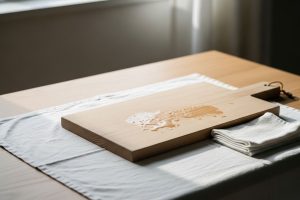
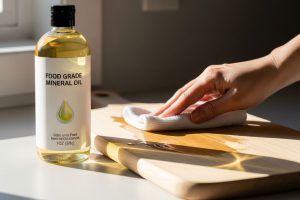
Maintenance demands: Hickory needs monthly oiling to prevent drying and cracking. Users who prefer low-maintenance tools may find this burdensome.
Limited precision work: The hard surface resists delicate knife techniques required for fine vegetable prep or precise slicing.

Best Uses for Hickory Cutting Boards
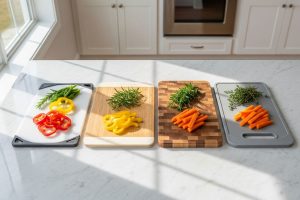
Matching Wood Type to Task: Not every wood suits every cutting need: hickory excels where its toughness aligns with the work being done.
Heavy-Duty Performance: Hickory shines for demanding chopping tasks like breaking down chicken, portioning beef roasts, or processing game meat benefit from its impact resistance, as the surface absorbs repeated cleaver strikes with minimal wear.
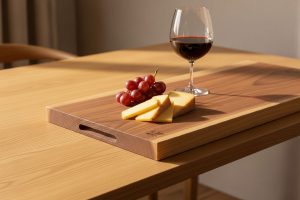
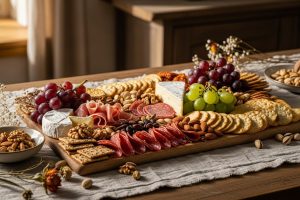
Aesthetic Versatility for Serving: Beyond function, hickory offers decorative appeal: its rich grain and color make it ideal for charcuterie boards, carving stations, and serving platters, which highlight its beauty while reducing knife wear.
Construction Influences Edge Retention: Board orientation affects blade longevity: end-grain hickory boards let knives pass between fibers rather than across them, reducing edge dulling by roughly 40% compared to edge-grain designs while retaining hickory’s signature durability.

Alternatives to Hickory Cutting Boards
Hickory represents one option among several viable cutting board materials. Comparing key characteristics helps identify which wood suits your specific needs.
| Wood Type | Janka Hardness | Knife Friendliness | Maintenance | Cost | Hygiene | Verdict |
|---|---|---|---|---|---|---|
| Maple | 1,450 lbf | Excellent | Low | Moderate | Excellent | Industry benchmark |
| Walnut | 1,010 lbf | Superior | Low | High | Excellent | Premium choice |
| Cherry | 950 lbf | Good | Low | Moderate | Good | Prep-focused |
| Bamboo | 1,380 lbf | Poor | Low | Low | Fair | Budget option |
| Teak | 1,155 lbf | Good | Very Low | High | Excellent | Water-intensive use |
Maple serves as the industry standard for good reason. Hard maple balances durability with knife preservation, offering tight grain that resists bacterial growth. The wood requires minimal maintenance and performs well across all cutting tasks. Commercial kitchens favor maple for its reliable, predictable performance.
Walnut provides a softer cutting surface that extends knife sharpness while maintaining adequate durability for home use. The rich chocolate color creates elegant boards. Walnut costs more than maple but delivers superior knife preservation for those who value sharp edges.
Cherry sits in the moderate hardness range, making it suitable for vegetable preparation and general cooking tasks. The wood darkens beautifully with age, developing a warm patina. Cherry works well for users who prioritize aesthetics and perform lighter cutting work.
Bamboo technically consists of grass rather than wood. High adhesive content in laminated bamboo boards creates hardness that rivals hickory, leading to similar knife-dulling issues. The material offers sustainability benefits and low cost, but compromises blade preservation.
Teak contains natural oils that resist water damage and bacterial growth. The surface requires almost no maintenance but feels slippery when wet. Teak suits users who frequently work with moist ingredients or need boards near sinks.
Your choice depends on priorities. Select hickory if you value strength and rustic design. Choose maple for balanced performance and reliability. Pick walnuts when knife preservation matters most. Consider cherry for beauty in lighter-duty applications.

Read more: Best Wood for Cutting Boards: Which Wood is Right for You?
Conclusion
Hickory is an effective cutting board material for those who align their needs with its characteristics. Its exceptional hardness offers durability but may dull knives faster, making it a specialized choice for heavy-duty chopping and decorative serving. Users who are willing to perform monthly oiling and accept more blade wear will appreciate hickory’s longevity.
For a balance between durability and knife care, maple is a reliable option, while walnut provides superior knife preservation despite being pricier.
When choosing a cutting board, consider your cutting tasks, knife quality, and maintenance willingness. Opt for hickory if you value strength and rustic design; choose maple or walnut if you prioritize knife preservation and lower maintenance. Ultimately, the best cutting board suits your cooking style to enhance your kitchen experience.