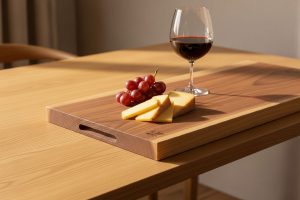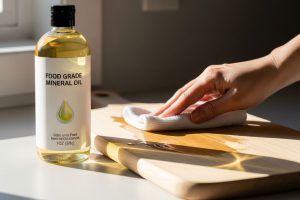
Is Teak Good for Cutting Boards? Teak offers natural oils, water resistance, and a beautiful look, but opinions differ on knife care and long-term durability. This guide breaks down teak’s pros, cons, and maintenance needs while comparing it to maple, walnut, and bamboo. Discover whether teak is the right cutting board choice for your kitchen.
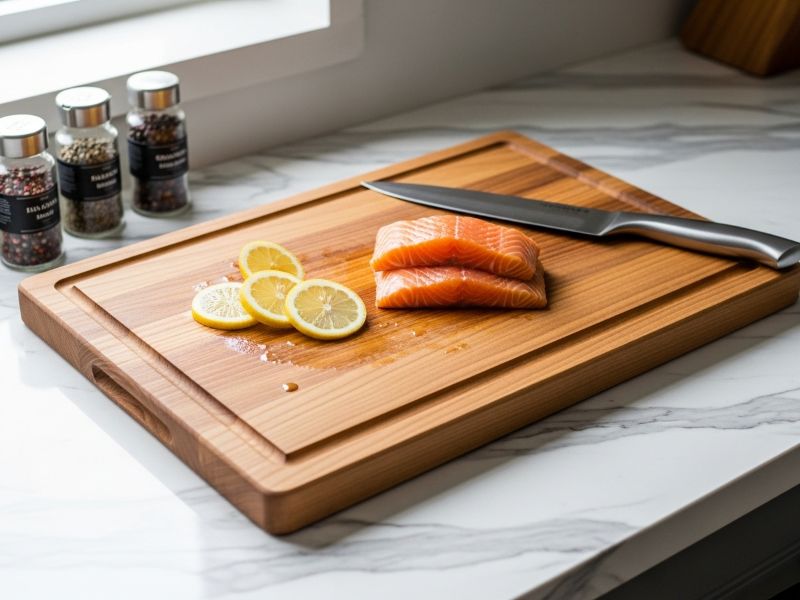
What is Teak Wood? How Does It Play in Cutting Boards?
Teak originates primarily from Southeast Asian forests, with Myanmar (Burma) providing the most prized old-growth stock. Laos also maintains significant natural stands and growing plantation operations. Additionally, plantation-grown teak from Indonesia, Costa Rica, and other regions offers similar characteristics, though purists note differences in density and oil content compared to old-growth varieties.
The wood’s distinctive properties stem from its cellular structure and natural chemistry. Teak contains silica deposits throughout its fibers—the same mineral found in sand and glass. These microscopic particles contribute to the wood’s legendary water resistance but create challenges for cutting board applications.
Natural oils permeate teak’s grain structure, making it naturally water-repellent without treatment. This explains why teak weathers beautifully on boat decks and outdoor furniture. The same oils that protect against moisture also resist staining from food acids and natural pigments.
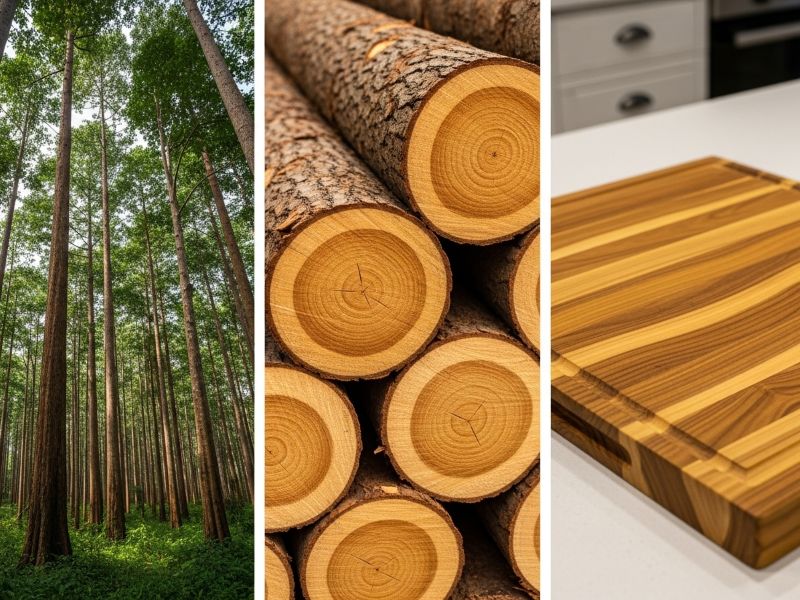
However, teak’s hardness presents a double-edged characteristic for kitchen use. The Janka hardness scale measures wood density and resistance to denting:
| Wood Type | Janka Hardness (lbf) | Cutting Board Suitability |
|---|---|---|
| Teak | 1,155 | Hard – may dull knives |
| Hard Maple | 1,450 | Hard – classic choice |
| Black Walnut | 1,010 | Moderate – knife-friendly |
| Cherry | 995 | Moderate – gentle on edges |
| Bamboo | 1,380 | Hard – varies by construction |
Teak falls into the moderate-to-hard range, but its silica content amplifies knife dulling beyond what the hardness numbers alone suggest. Professional sharpeners note that blades may need touch-ups more frequently than with maple or walnut.
That said, teak remains far more knife-friendly than plastic or stainless steel cutting surfaces, which can damage edges quickly and unevenly. When crafted properly, especially in end-grain form, teak ranks among the best overall woods for cutting boards, striking a balance between durability, hygiene, and knife preservation.
The weight factor also plays into daily use. Due to its dense grain and natural oil content, teak cutting boards weigh 20-30% more than maple equivalents. For example, a standard 18×12×1.5-inch teak board averages 8-10 pounds, compared to 6-7 pounds for maple.
Pros and Cons of Teak Cutting Boards
Understanding teak’s strengths and limitations helps determine whether this material suits your cooking style and kitchen priorities. The following analysis draws from laboratory testing, user feedback, and professional chef experiences to present a balanced evaluation.
Pros
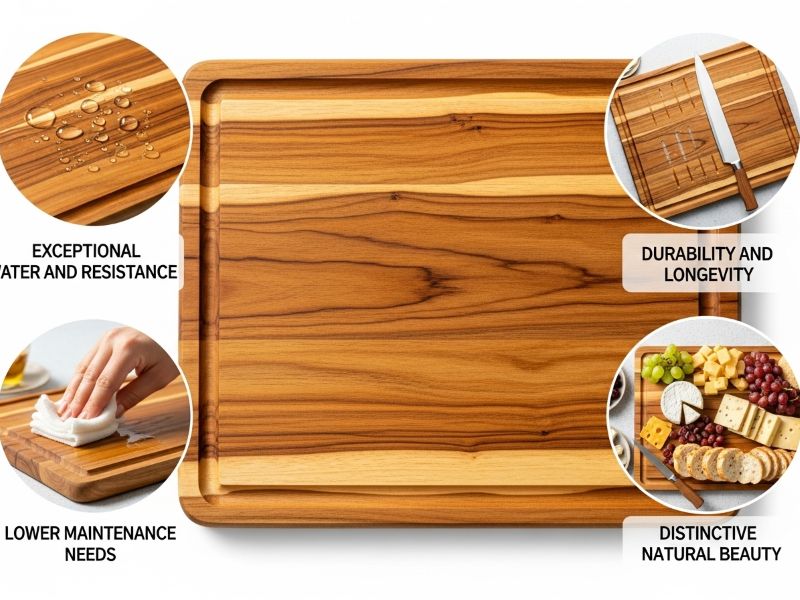
- Exceptional Water and Stain Resistance:
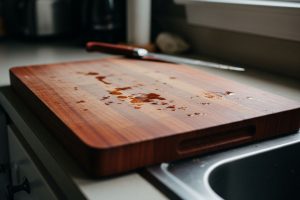
Teak contains natural oils that form a built-in barrier against moisture. Unlike maple or cherry, which rely on frequent oiling, teak naturally repels liquids, making cleanup easier and reducing bacterial growth. Tests show teak absorbs about 60% less water than untreated maple, so tough stains from beetroot, turmeric, or red wine wash away without lasting marks.
- Durability and Longevity:
Teak is famous for its strength and resilience. Its natural preservatives resist decay, insects, and cracking, even under heavy use. The same qualities that make teak a top choice for shipbuilding translate into cutting boards that can last 15-20 years. Instead of breaking down, they develop character marks and a warm patina over time.
- Lower Maintenance Needs:
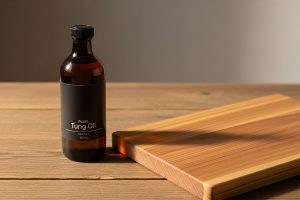
While most wood boards demand monthly oiling, teak’s oil-rich structure reduces the workload. Many boards only need conditioning every 3-6 months, and some users go years without it. This makes teak especially appealing for busy households that don’t always keep up with strict maintenance routines.
- Distinctive Natural Beauty:
Teak’s golden-brown color and bold grain patterns make it visually striking. Over time, the wood deepens into a rich patina, enhancing its appeal. Beyond functionality, teak doubles as a serving board for cheese, charcuterie, or bread, adding elegance to both rustic and modern kitchens.
Cons
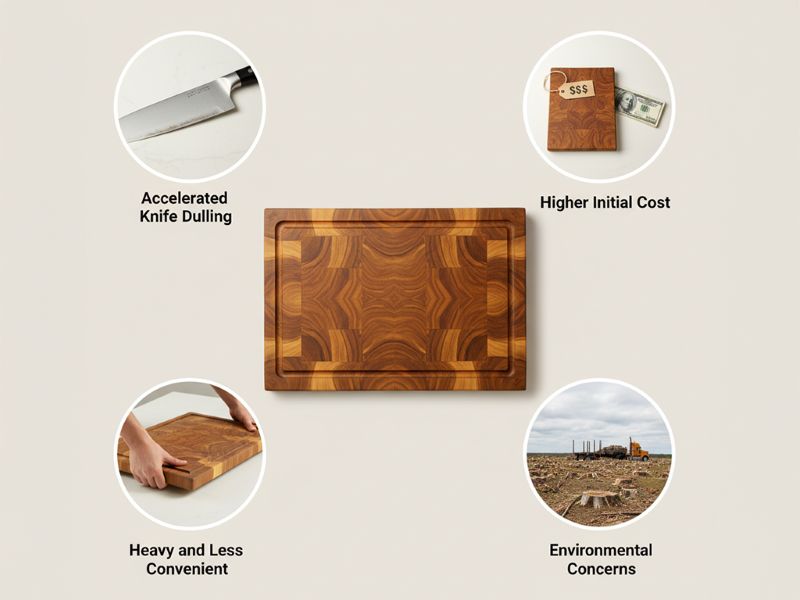
- Accelerated Knife Dulling (Relative to Other Woods):
Teak contains natural silica, which acts like fine sandpaper against knife edges. Tests show knives dull 40–60% faster on teak than on maple**,** averaging 850–1,200 cuts before dulling compared to 1,400–1,800 on maple. While results vary by knife steel and cutting technique, the trend remains consistent: teak wears blades faster than maple or walnut.
However, it’s important to note that teak is still far more knife-friendly than plastic, glass, or stainless steel cutting surfaces. For this reason, professional chefs and serious home cooks continue to rank teak among the best materials for cutting boards—especially when crafted in end-grain form, which further reduces knife wear.
- Higher Initial Cost:
Quality teak boards cost 2-3 times more than maple or walnut. A professional-grade 18×12-inch teak board often ranges from $150-300, while similar maple options cost $60-120. The premium price reflects limited supply, longer seasoning times, and stricter harvesting regulations.
- Heavy and Less Convenient:
Teak’s density makes it substantially heavier than bamboo or maple. A large 20×15-inch board can weigh 12-15 pounds, which complicates washing, moving, and storage, especially in smaller kitchens or for users with limited mobility.
- Environmental Concerns:
Unsustainable teak harvesting has driven deforestation in Southeast Asia. Although FSC-certified plantation teak offers a greener alternative, transport to Western markets adds to its carbon footprint. Eco-conscious consumers may prefer locally sourced woods like maple or cherry.
Is Teak Good for Cutting Boards?
The answer: Yes, but it depends on context. Teak cutting boards shine in certain scenarios, yet present trade-offs that may not suit every kitchen.
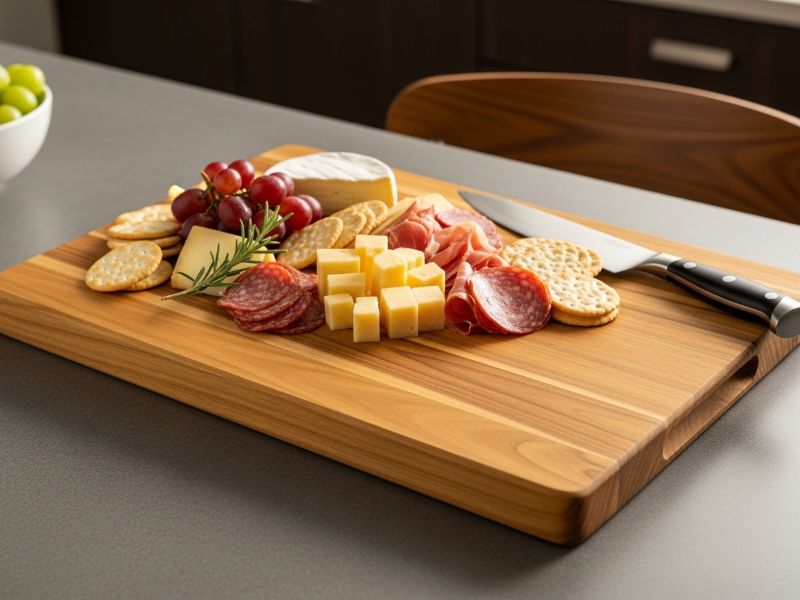
Teak excels where water and stain resistance matter most, such as preparing fish, fruits, or bread. Its natural oils protect against moisture absorption and bacterial growth better than most woods. Teak boards also require less maintenance, resisting warping and cracking even with occasional neglect, while doubling as elegant serving platters.
However, teak’s biggest drawback is its silica content, which dulls knives 40-60% faster than maple or walnut. That makes it less ideal for cooks who invest in premium cutlery or want minimal sharpening. Add to this the high upfront cost and heavier weight, and teak becomes a selective, not universal, choice.
Comparisons at a glance:
- Hard Maple: More knife-friendly, affordable, but stains more easily and requires regular oiling.
- Walnut: Beautiful, gentler on knives, but less water-resistant than teak.
- Bamboo/Acacia: Budget-friendly and sustainable, though less durable long-term.
- Plastic: Dishwasher-safe and hygienic but short-lived, making teak more eco-friendly over decades.
Read more:
Best Wood for Cutting Boards
Bamboo vs Teak Cutting Boards
User-Based Recommendations
Choose teak if you:
- Prepare lots of acidic or staining foods
- Prefer minimal maintenance routines
- Value natural materials and aesthetics
- Don’t mind frequent knife sharpening
- Want a board that doubles as a serving platter
Avoid teak if you:
- Prioritize knife-edge retention
- Work on tight budgets
- Prefer lightweight, maneuverable boards
- Need dishwasher-safe cleaning
- Emphasize local sourcing and sustainability
Buying Guide – How to Choose the Right Teak Board
Not all teak cutting boards are created equal. The right choice depends on construction style, size, sourcing, and price. Understanding these factors helps ensure your board delivers durability, knife-friendliness, and long-term value.
Construction Types
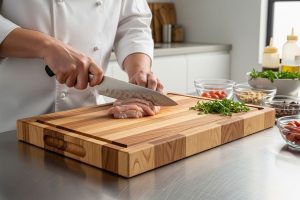
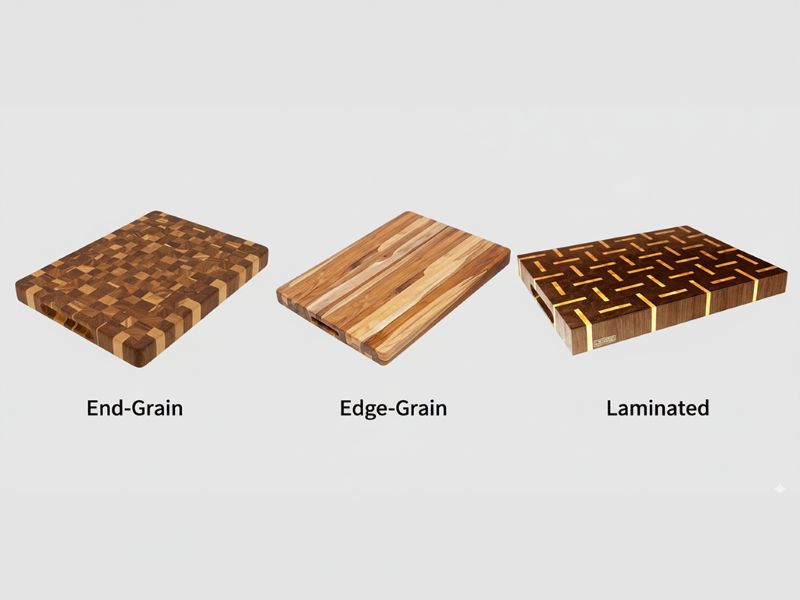
- End-Grain: The premium option. Fibers run vertically, allowing knives to slip between them rather than cutting across. This makes the board gentler on blades despite teak’s hardness. Downsides: 40-60% higher cost and heavier weight.
- Edge-Grain: The most common and practical choice. Fibers run horizontally, balancing durability, knife care, and cost while highlighting teak’s grain patterns. Best value for most home cooks.
- Laminated: Made from thin layers bonded with adhesives. Cheaper upfront but prone to splitting or delamination over time, especially in humid kitchens. Only consider if budget is the top priority.
Size, Thickness & Weight:
Teak’s density makes board size crucial. A 16×12×1.5-inch board weighs about 7–8 lbs, large enough for daily prep but still manageable. Bigger boards (20×15 inches) can reach 12–15 lbs and feel unwieldy.
- 1.5-inch thickness: The sweet spot for strength and practicality.
- 1-inch boards: Lighter, but more likely to warp.
- 2-inch+ boards: Extremely durable but heavy for everyday use.
Sustainability & Certification:
Always check sourcing. FSC-certified teak ensures wood comes from responsibly managed plantations, not old-growth forests. Indonesian plantation teak typically balances quality and cost best. Avoid boards without sourcing details, as they may come from unsustainable logging.
Price & Value:
Expect to pay $120–350 for a quality teak board:
- Below $100: Likely poor wood quality or weak construction.
- $150–250: Best value for most kitchens—solid construction, responsible sourcing, and practical sizing.
- $300+: Premium boards with refinements, but performance differences are marginal for casual home use.
Final Verdict – Benefits vs. Drawbacks of Teak Boards
Teak cutting boards shine in specific roles but fall short as all-purpose workhorses. Their biggest strengths, natural water resistance, durability, stain resistance, and aesthetic appeal, make them an excellent fit for cooks who value low maintenance and don’t mind sharpening knives more often. For those who frequently prepare acidic or juicy foods, or who want a cutting board that doubles as a serving piece, teak offers long-term value.
That said, drawbacks are notable. The silica content accelerates knife dulling, the dense weight makes handling cumbersome, and premium prices put them out of reach for budget-conscious buyers. Sustainability also complicates the choice: responsibly sourced plantation teak is better, but environmental impact remains higher than with domestic hardwoods like maple or walnut.
Key Takeaways:
- Best as a secondary or specialty board, not a primary prep surface
- Excels in moisture-heavy tasks and doubles as a stylish serving board
- Requires acceptance of more frequent knife sharpening
- Costs more than many alternatives, with sustainability depending on sourcing
In short, if you’re asking Is Teak Good for Cutting Boards, the answer is yes, but with context. Teak boards reward users who appreciate their strengths and understand their trade-offs. For most home cooks, they work better as a premium addition to the kitchen rather than the everyday workhorse.