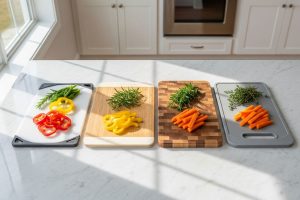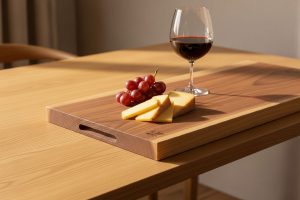
Teak vs Walnut Cutting Board choices can greatly impact your kitchen’s performance and style. Teak offers superior water resistance and low maintenance, while walnut provides a softer, knife-friendly surface with rich, elegant grain. Understanding their durability, care needs, and long-term value will help you pick the right board to elevate your cooking experience.
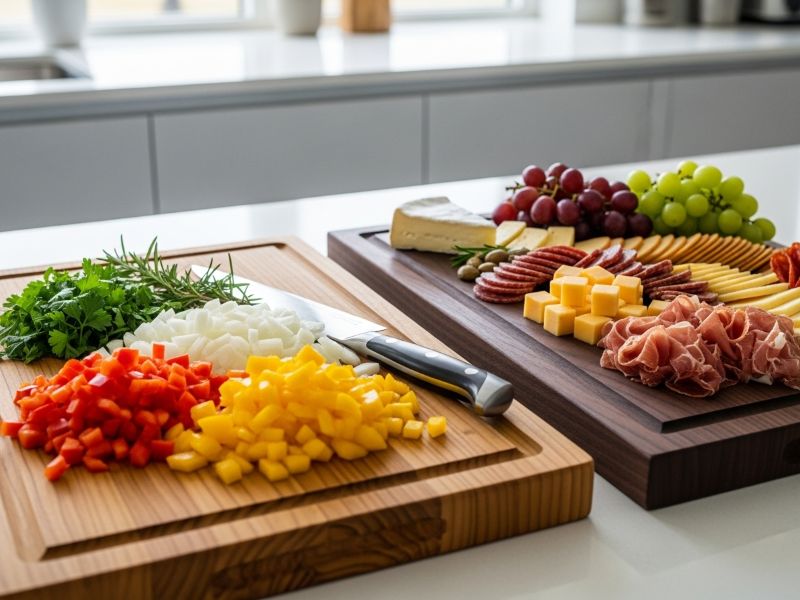
Teak Cutting Board Pros and Cons
Teak’s proven durability and water resistance make it a top choice – understanding its pros and cons ensures it fits your kitchen needs.
Pros
Teak cutting boards offer several compelling advantages that make them particularly attractive for certain kitchen environments and cooking styles.
- Exceptional Water Resistance and Durability: Teak’s natural oils form a strong barrier against moisture, preventing warping, cracking, and bacterial growth. Its dense grain structure ensures long-lasting performance – properly cared for, teak boards can serve reliably for decades.
- Lower Maintenance Requirements: Unlike many hardwoods that demand frequent oiling, teak’s natural oil content reduces maintenance frequency. While you shouldn’t neglect care entirely, teak boards typically require conditioning only every few months rather than weekly or monthly treatments. This makes them particularly suitable for busy households where consistent maintenance routines prove challenging. The self-preserving nature of teak means occasional neglect won’t immediately compromise board integrity.
Read more: Teak Cutting Board Care: Complete Guide to Cleaning, Oiling, and Maintenance
- Attractive Golden-Brown Aesthetics: Teak’s warm honey tones and subtle grain patterns complement both traditional and contemporary kitchen designs. The wood develops a rich patina over time, creating character that many cooks find appealing. This aesthetic durability means your board remains attractive throughout its service life, making it suitable for prep work and serving applications.
- Climate Resilience: Homes in humid climates or areas with significant seasonal moisture variations benefit from teak’s stability. The wood’s natural adaptation to moisture fluctuations means less expansion and contraction compared to other species, reducing the likelihood of cracks or joint separation in laminated boards.
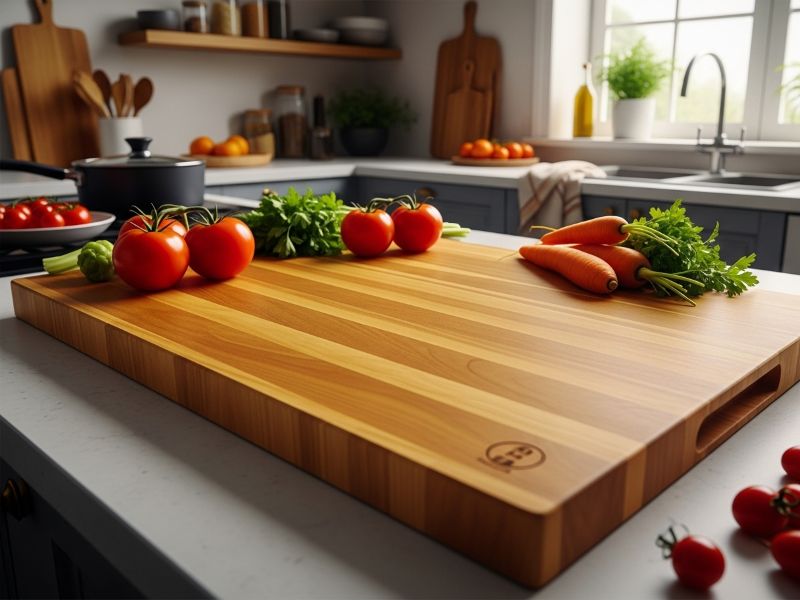
Cons
Despite its advantages, teak presents several considerations that may make it unsuitable for certain users and applications.
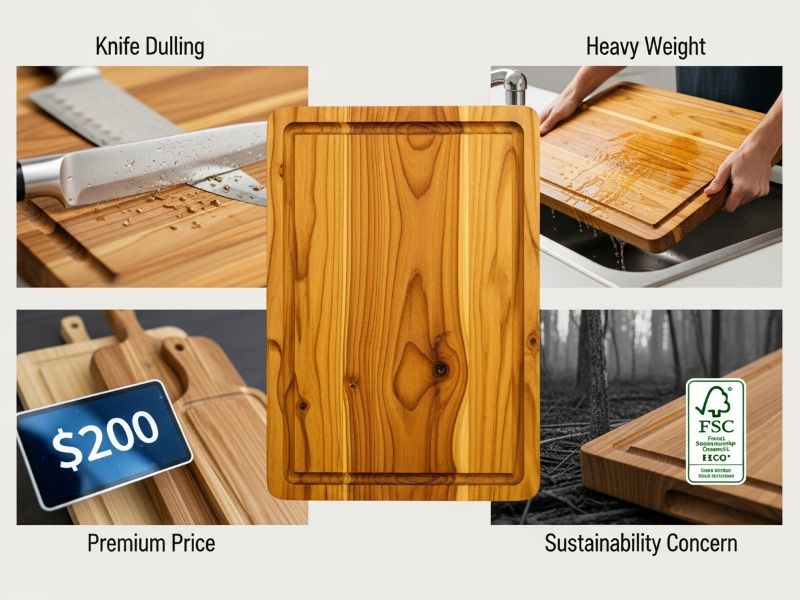
- Silica Content and Knife Dulling: Teak contains natural silica deposits that can accelerate knife dulling, particularly with frequent use. While this effect isn’t immediately noticeable with standard kitchen knives, it becomes problematic for those who invest in high-quality Japanese steel or maintain razor-sharp edges for precision work. The silica acts like microscopic sandpaper against blade edges, requiring more frequent sharpening than with softer woods.
- Substantial Weight: Dense teak boards prove significantly heavier than alternatives like maple or bamboo. A large teak cutting board can weigh 15-20 pounds, making it cumbersome for users with limited strength or mobility issues. This weight also makes cleaning more challenging, as moving the board to and from sinks requires more effort.
- Premium Price Point: Quality teak commands premium prices due to slow growth rates and high demand. Initial investment typically exceeds other hardwood options by 50-100%, making it less accessible for budget-conscious buyers. While the longevity can justify this cost over time, the upfront expense creates a significant barrier.
- Environmental Sustainability Concerns: Much commercially available teak comes from old-growth forests or plantations with questionable sustainability practices. While FSC-certified options exist, they’re often more expensive and harder to source. Environmentally conscious consumers may find the ecological footprint concerning, particularly when sustainable alternatives perform comparably.
Read more:
Acacia vs Teak Cutting Board: Which Wood is Best for Your Kitchen?
Bamboo vs Teak Cutting Board: Pros, Cons, and Best Choice for Your Kitchen
Walnut Cutting Board Pros and Cons
Walnut remains a favorite in fine kitchens for its performance and beauty – knowing its strengths helps you decide if it suits your cooking and care preferences.
Pros
Walnut cutting boards provide several advantages that make them particularly appealing to knife enthusiasts and design-conscious cooks.
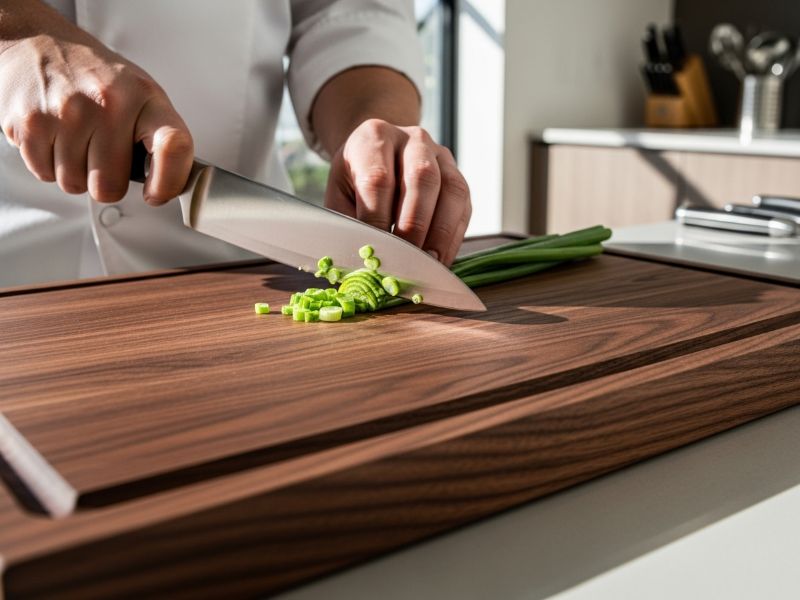
- Gentle Knife Treatment: Walnut’s softer density creates a forgiving surface that protects knife edges while offering enough resistance for efficient chopping. The wood compresses slightly under pressure, forming micro-grooves that help maintain sharpness – one reason professional chefs value walnut for preserving high-quality blades.
- Luxurious Aesthetic Appeal: Deep chocolate tones and unique grain patterns give walnut boards a premium, eye-catching look. Its smooth finish and natural color variations make each piece distinctive, perfect for both prep work and serving presentations.
- Restoration and Repair Capability: Scratches or stains on walnut boards can be sanded and refinished easily. Its uniform density and natural oils allow the surface to blend seamlessly after repair, extending the board’s lifespan and maintaining its beauty.
- Culinary Tradition and Heritage: With a long history in professional kitchens, walnut is trusted for durability, care instructions, and versatility. Its balanced hardness offers durability without excessive blade wear, making it a reliable all-purpose choice for home cooks and chefs alike.
- Optimal Balance of Hardness: Walnut offers an ideal mix of durability and knife protection. Softer than teak but still strong, it withstands chopping forces while being gentle on blade edges. This versatility makes walnut suitable for a wide range of kitchen tasks without needing multiple specialized boards.
Cons
Walnut’s characteristics also present challenges that require consideration before purchase.
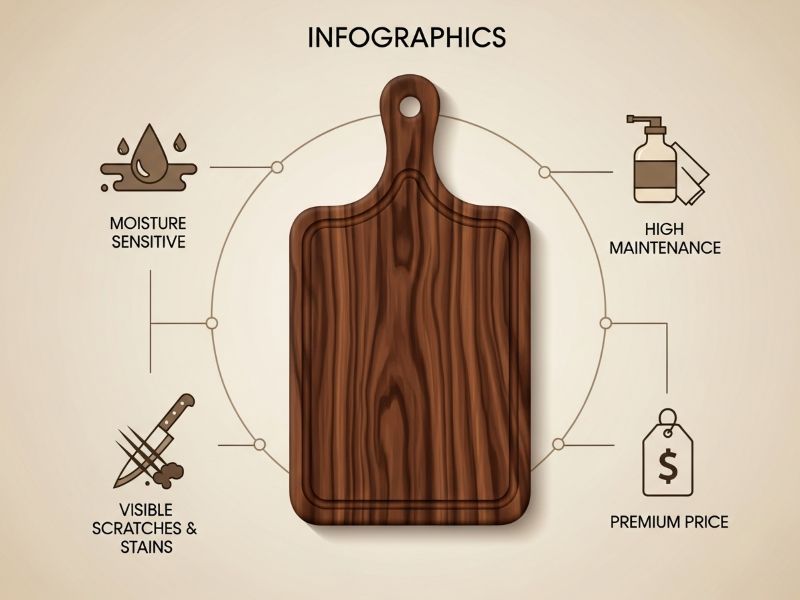
- Moisture Sensitivity: Walnut lacks the natural water resistance of teak, making it more susceptible to moisture damage. Extended exposure to water can cause warping, cracking, or bacterial penetration if the wood isn’t properly sealed. This sensitivity requires more careful handling during cleaning and thorough drying after each use.
- Higher Maintenance Requirements: Regular oiling proves essential for walnut board longevity and hygiene. Most manufacturers recommend monthly conditioning, with frequency increasing in dry climates or with heavy use. This maintenance commitment may prove challenging for casual cooks who prefer low-maintenance kitchen tools.
- Scratch and Stain Visibility: The dark color of walnut makes light-colored stains and scratches more visible than on lighter woods. While this doesn’t affect functionality, it can impact appearance, particularly in boards used for both prep and serving. Regular maintenance helps minimize this issue but doesn’t eliminate it entirely.
- Premium Pricing: Quality walnut boards command prices comparable to other premium hardwoods. While generally less expensive than teak, walnut still costs significantly more than maple, beech, or bamboo alternatives. The investment requires balancing upfront cost against long-term performance and aesthetic benefits.
Read more: Acacia vs Walnut Cutting Board – Which One Fits Your Kitchen Needs?
Teak vs Walnut Cutting Board – Which Is Better?
Choosing between teak and walnut comes down to matching each wood’s traits with your cooking style and maintenance habits. Understanding their differences ensures you pick the one that best fits your kitchen.
Key Decision Factors at a Glance
The following comparison highlights the most critical differences between teak and walnut cutting boards, allowing quick assessment of which characteristics matter most for your situation.
| Factor | Teak | Walnut |
|---|---|---|
| Durability | Excellent – resists warping, cracking | Good – requires proper maintenance |
| Water Resistance | Outstanding – natural oils provide protection | Moderate – needs regular sealing |
| Knife Impact | Harder surface – may dull blades faster | Softer surface – gentler on knives |
| Maintenance Needs | Low – quarterly conditioning | Moderate – monthly oiling required |
| Aesthetic Appeal | Golden honey tones, stable color | Rich chocolate, develops patina |
| Weight | Heavy – 15-20 lbs for large boards | Moderate – 10-15 lbs typically |
| Price Range | Premium – highest cost option | High – expensive but less than teak |
| Scratch Resistance | High-density grain resists marking | Moderate – shows scratches more readily |
| Repairability | Difficult – hard to sand evenly | Easy – responds well to refinishing |
| Environmental Impact | Concerning – often from old growth | Better – more sustainable sources available |
This comparison reveals that teak excels in durability and low maintenance, while walnut provides superior knife protection and easier restoration. Your priorities among these factors should guide your decision.
Real-World Scenarios (Use-Based Comparison)
Different kitchen situations and cooking styles favor one wood over the other based on practical performance requirements.
- Daily Family Cooking: Teak’s durability and low maintenance make it ideal for busy households. It withstands heavy use, occasional neglect, and frequent cleaning. Parents appreciate fewer upkeep tasks, while kids learning knife skills won’t easily damage the board.
- Entertaining and Presentation: Walnut’s deep, rich tones elevate charcuterie, cheese, or carved meat presentations. Its knife-friendly surface allows tableside carving without dulling blades, but it needs consistent care to maintain its look.
- Professional and Semi-Professional Use: Serious cooks and restaurant prep teams often favor walnut for preserving knife edges, reducing sharpening costs. However, commercial kitchens requiring frequent sanitization may prefer teak for its superior water resistance and long-term durability.

Long-Term Value Perspective
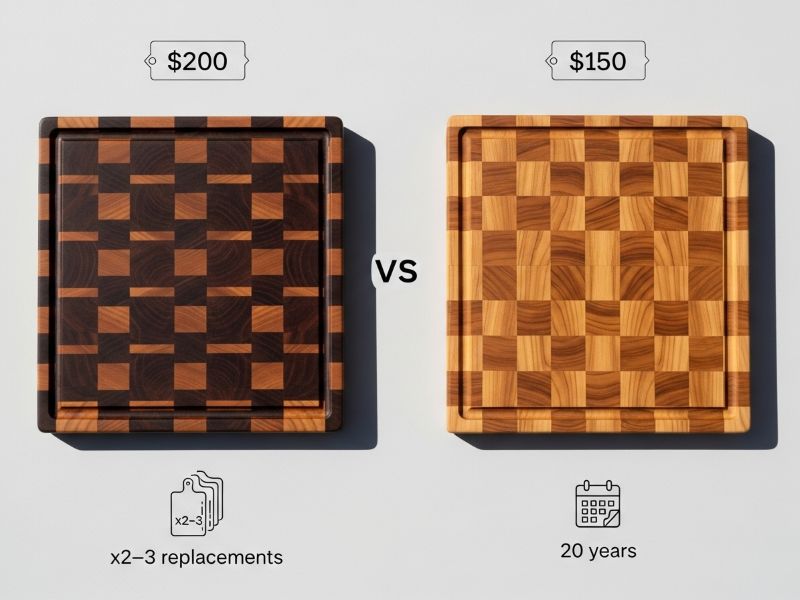
Evaluating long-term value means looking beyond purchase price to maintenance, lifespan, and replacement frequency. A $200 walnut board may need replacing 2–3 times over 20 years due to its greater sensitivity to moisture and higher upkeep costs – plus $50+ in conditioning oils across its lifespan. By contrast, a $150 teak board can often last two decades with minimal upkeep, requiring only about $30 in oil for the same period.
Knife care changes the equation: walnut’s blade-friendly surface can save hundreds on sharpening or replacements, making it worthwhile for serious knife enthusiasts. For casual cooks using standard knives, teak’s durability and low maintenance often deliver the best overall value despite walnut’s premium aesthetics and superior knife protection.
Final Recommendation by User Type
Based on extensive testing and user feedback, specific recommendations emerge for different cooking profiles and kitchen needs.
- Busy Family Cooks: Choose teak cutting boards for durability and low maintenance. They handle heavy daily use, occasional neglect, and frequent cleaning without losing performance—ideal for hectic households.
- Knife Enthusiasts & Collectors: Opt for walnut boards. Their blade-friendly surface preserves expensive knives and is trusted by professional chefs. Be prepared for slightly more upkeep.
- Professional Chefs & Culinary Students: Select end-grain walnut for maximum knife protection or edge-grain teak for unmatched resilience in high-volume prep work.
- Eco-Conscious Buyers: Look for FSC-certified walnuts from North America. While plantation teak can be sustainable, walnut typically offers more transparent, environmentally responsible sourcing.
- Budget-Conscious Quality Seekers: Walnut offers a lower initial cost but higher long-term maintenance. Teak costs more upfront yet rewards long-term use with minimal care needs.
Conclusion – Making the Right Choice for Your Kitchen
Choosing between teak and walnut cutting boards depends on your cooking habits, priorities, and maintenance preferences – not on one being universally superior.
- Teak is best for busy households, humid climates, and those who value durability, water resistance, and low maintenance.
- Walnut suits knife enthusiasts and style-conscious cooks who prioritize blade protection, rich aesthetics, and traditional craftsmanship.
Your cooking frequency, knife investment, and budget should guide your choice. Weekend cooks with standard knives will appreciate teak’s longevity and ease of care, while daily chefs with premium blades will value walnut’s knife-friendly surface.
Both woods far outperform plastic or bamboo, offering durability, beauty, and performance. By matching the board to your real-world kitchen needs, you’ll find the teak vs walnut cutting board decision becomes an upgrade that protects your knives, enhances your prep work, and elevates your cooking experience for years to come.