Cherry wood has earned recognition as a cutting board material that combines visual warmth with practical function. Its reddish-brown hue and smooth texture appeal to cooks who value both performance and presentation. Yet the question remains: does cherry wood deliver the durability and hygiene standards your kitchen demands? This article examines cherry’s mechanical properties and draws on expert insights to help you make an informed decision for your cutting surface needs.
Is Cherry Good for Cutting Boards?
Yes, cherry is a reliable hardwood choice for cutting boards, offering a practical balance between durability and knife preservation. Its closed grain structure gives it natural resistance to moisture and bacteria, making it hygienic and easy to maintain.
Cherry falls between bamboo and maple on the hardness scale (Janka 950–995 lbf), providing enough strength for daily slicing while remaining gentle on knife edges. The wood’s moderate density prevents excessive wear on blades, and its stable structure reduces the risk of warping when properly cared for.
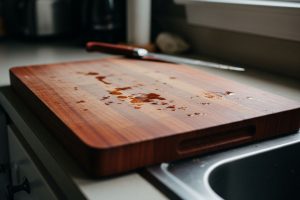
Visually, cherry’s warm reddish-brown tone and fine, even grain make it an appealing option for home kitchens. Over time, it darkens gracefully with use, developing a rich patina that reflects both function and character.

Read more: Best Wood for Cutting Boards: Which Wood is Right for You?
Advantages and Disadvantages of Cherry Cutting Boards
Every cutting board material involves trade-offs between hardness, aesthetics, maintenance, and cost. Cherry presents a specific set of benefits and limitations that matter differently depending on your cooking style and kitchen priorities. This section examines both sides transparently, using evidence from long-term use and material testing.
Advantages
Cherry cutting boards deliver several practical and aesthetic benefits that explain their popularity among home cooks. These advantages stem from the wood’s natural properties rather than marketing claims.
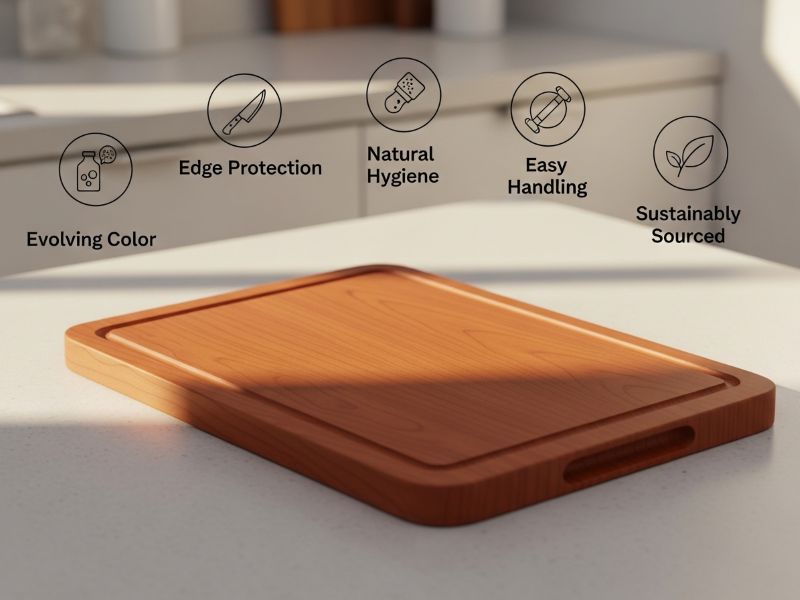
Edge Protection: The moderate hardness level protects knife edges effectively. When you slice through ingredients on cherry, the blade encounters enough resistance to support clean cuts without the dulling effect of harder surfaces. This balance matters for cooks who maintain their knives carefully and want their cutting surface to preserve rather than compromise blade sharpness.
Natural Hygiene Advantage: Closed grain structure provides natural hygiene advantages. Unlike open-grain woods that trap food particles and moisture in visible pores, cherry’s tight cellular structure creates a smooth surface that wipes clean completely. Water and food residue remain on the surface rather than penetrating deeply, allowing standard washing to remove contaminants.
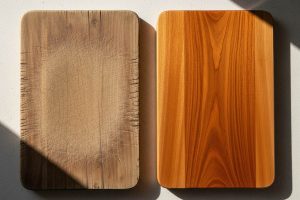
Evolving Aesthetic Appeal: Fresh cherry boards start with pale pink tones that oxidize to warmer, darker shades within weeks. This transformation continues subtly for years, giving the board a lived-in character that many cooks appreciate. Unlike staining or finishing, this color change occurs throughout the wood’s surface layer, maintaining appearance even after sanding.
Ease of Handling: Lighter weight makes cherry boards easier to handle than denser alternatives. A typical cherry board measuring 12 by 18 inches weighs approximately 30% less than the same size in hard maple.
Affordable Quality: The wood costs less than walnut while providing comparable performance for light to moderate use. This pricing makes cherry boards available to cooks seeking better quality than bamboo or plastic without the investment required for premium maple or exotic hardwoods.
Sustainable Sourcing: Sustainable harvesting practices support cherry production. American black cherry grows readily in managed forests, with harvest rates below regeneration rates. Responsible manufacturers source from certified forestry operations that maintain ecosystem health. This sustainability matters to cooks making environmentally conscious kitchen choices.
The combination of warmth and craftsmanship appears clearly in cherry boards. The wood grain shows consistent patterns that reveal careful selection and construction. This visual quality makes cherry suitable for boards that remain visible in your kitchen rather than hidden in storage.
Read more:Best Wooden Cutting Boards For Slicing, Chopping In 2025
Disadvantages
Cherry’s limitations require honest consideration before purchase. These drawbacks don’t make cherry unsuitable, but they do define appropriate use cases and maintenance expectations.
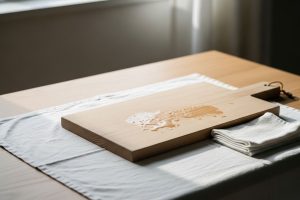
Prone to Scratches and Dents: The softer density compared to maple or walnut means cherry scratches and dents more readily under heavy use. Cleavers, choppers, and forceful cutting techniques leave deeper marks in cherry than in harder woods. Over months of intensive use, these marks accumulate into a visible texture that affects both appearance and function.
Shorter Lifespan with Heavy Use: A cherry board receiving daily meal preparation for a family of four may show significant wear within two to three years, requiring refinishing or replacement sooner than maple alternatives.
Uneven Darkening Risk: Inconsistent light exposure causes uneven color as shaded areas oxidize more slowly. Some enjoy the aged patina, but others prefer a uniform tone. Regularly rotating the board and avoiding long-term object placement helps reduce this effect.
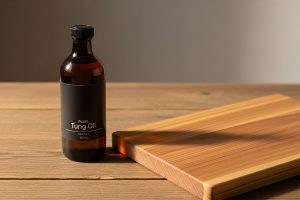
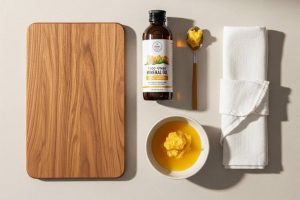
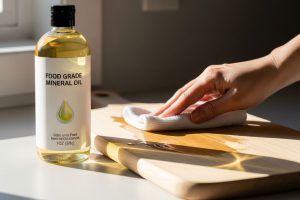
Higher Maintenance Needs: Cherry requires mineral oil every three to four weeks to prevent drying or cracking. It absorbs oil quickly, often needing more product. Without regular care, the surface becomes rough and may split.
Warping Under Moisture Stress: Cherry is more prone to cupping or twisting from water or humidity than stable woods like teak. While edge-grain boards improve stability, exposure to standing water or dishwasher heat still increases warping risk.
These limitations don’t disqualify cherry as a cutting board material. They simply define situations where other materials might serve better. Understanding these constraints helps you match the board to your cooking reality rather than idealized expectations.

Best Uses for Cherry Boards
Cherry cutting boards shine in kitchens where beauty, knife-friendliness, and practicality meet. Their balanced properties make them ideal for light to medium cutting tasks and for cooks who value aesthetics as much as function. Matching the board to your cooking habits helps extend its lifespan and maintain its charm over time.
For Everyday Home Cooking:
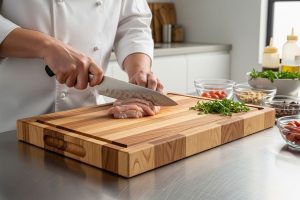
Cherry boards perform best in typical home kitchens, where meal prep happens one to three times a day. They offer just the right blend of durability and gentleness, making them perfect for daily slicing, chopping, and dicing without excessive wear on knife edges.

For Light to Medium Cutting Tasks:
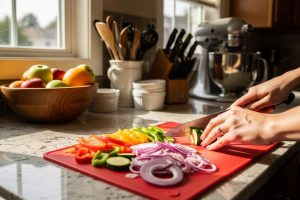
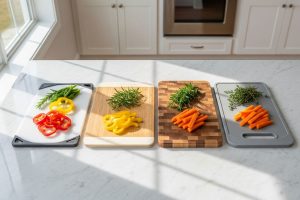
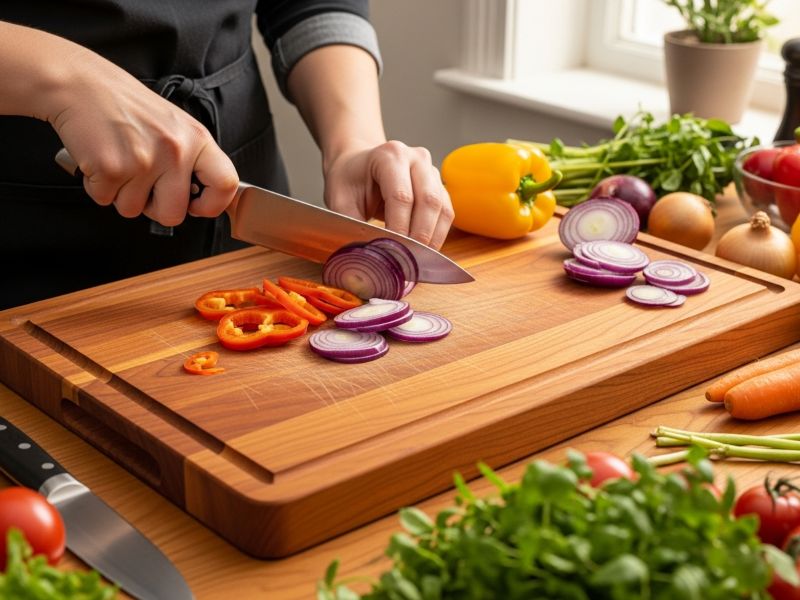
Cherry excels with ingredients like fruits, vegetables, herbs, bread, and boneless meats. The moderate hardness provides a clean cutting experience while minimizing blade dulling. It’s not made for cleavers or heavy chopping, but it’s perfect for precise, everyday prep work.
For Presentation and Serving:
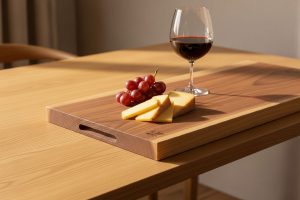
Beyond function, cherry brings warmth and style to the table. Its rich, reddish-brown tones and fine grain make it ideal as a serving surface for charcuterie, cheese boards, or appetizers. The seamless transition from prep to presentation makes it a favorite for cooks who enjoy entertaining.

For Kitchen Display and Warmth:
Cherry isn’t a board you hide in a drawer – it’s one that enhances your kitchen’s atmosphere. Displayed on open shelving or leaning against a backsplash, its evolving patina adds lived-in charm and natural sophistication to your cooking space.
Avoid for Heavy-Duty or Commercial Use:
While cherry delivers beauty and practicality for home cooks, it’s not built for heavy butchering or restaurant environments. Constant washing, cleaver work, or moisture exposure can accelerate wear. In those cases, maple or teak provide better stability, while walnut offers a balanced middle ground with similar knife-friendliness.
Final Recommendation
Cherry wood delivers legitimate value as a cutting board material for home cooks who prioritize knife preservation, visual warmth, and moderate durability. The wood’s closed grain structure provides hygiene comparable to harder alternatives, while its medium density protects blade edges effectively. Cherry’s natural color development creates character that many users appreciate, and its accessible pricing makes quality cutting surfaces available without premium investment.
Consider cherry cutting boards when your cooking patterns match these conditions. Choose harder alternatives when your needs differ. Professional cooking environments require maximum impact resistance beyond cherry’s capability.