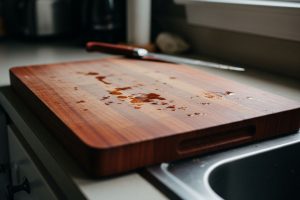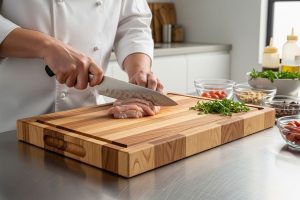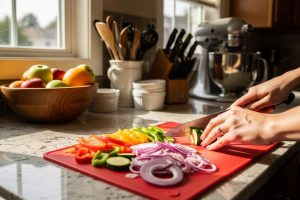
Acacia cutting boards are gaining strong attention among home cooks for combining exotic beauty with everyday practicality. Unlike generic hardwoods, acacia offers a rare mix of fast growth, striking golden-to-chocolate grain, and impressive hardness that rivals maple. Its dense structure and natural oils give it antimicrobial qualities — echoing UC Davis findings that bacteria die faster on wood surfaces than plastic. But is acacia truly the right choice? This guide cuts through the hype, examining its safety, durability, knife-friendliness, and maintenance with science-backed insights and real-world comparisons.
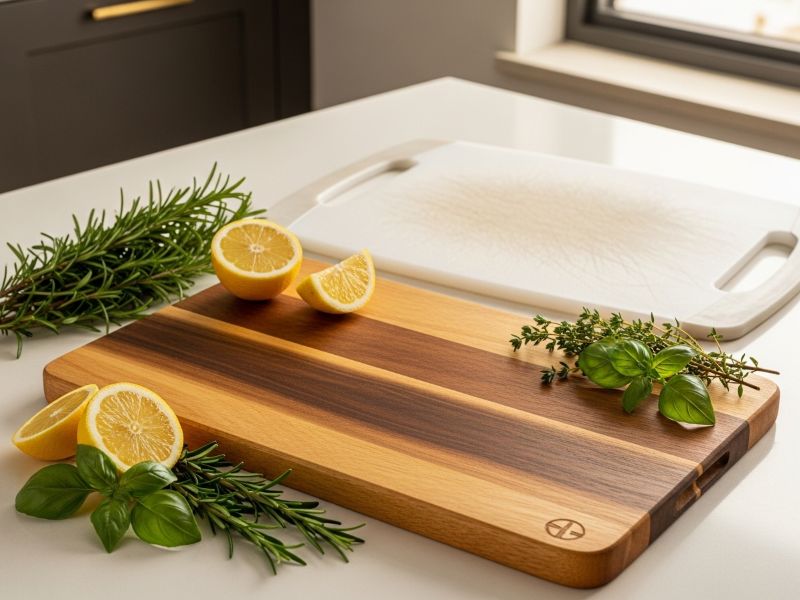
Acacia Wood: What It Is & Why It’s Popular
Acacia is a diverse genus of tropical hardwoods native to Australia and Africa, now widely cultivated across Asia. The species most often used for cutting boards mature in just 10–15 years, much faster than traditional hardwoods like maple or walnut that can take 50 years or more. This makes acacia an attractive option for both sustainability and affordability.
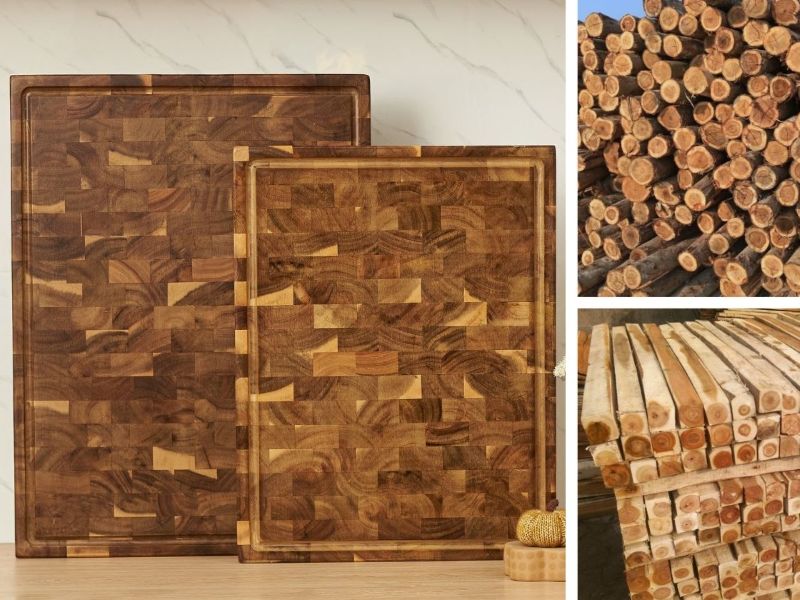
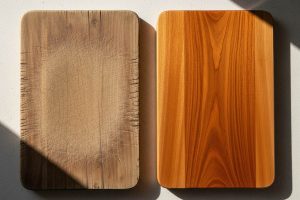
On the Janka hardness scale, acacia measures around 1,700 lbf, making it harder than maple (1,450 lbf) and teak (1,155 lbf), while still offering beautiful natural grain patterns. Its heartwood ranges from warm golden tones to deep chocolate browns, often with striking variations that give each board a unique, handcrafted look.
Compared to other popular woods:
- Acacia: 1,700 lbf, fast-growing (10–15 years), golden to chocolate brown grain
- Maple: 1,450 lbf, slow-growing (50+ years), light color with subtle grain
- Walnut: 1,010 lbf, slow-growing (50+ years), rich dark brown with dramatic grain
- Teak: 1,155 lbf, very slow-growing (25–40 years), natural oils for water resistance
This balance of exotic appearance, durability, and moderate pricing positions acacia as an “affordable luxury” for home cooks. Beyond looks, its dense grain and natural oils contribute to antimicrobial properties, though proper cleaning and maintenance are still essential.
Acacia vs Other Woods: Side-by-Side Comparison
| Criteria | Acacia | Maple | Walnut | Cherry | Teak | Bamboo* |
|---|---|---|---|---|---|---|
| Hardness (Janka) | ~1,700 lbf – very hard, resists scarring | ~1,450 lbf – hard, balanced | ~1,010 lbf – softer, gentle on knives | ~995 lbf – softest, scratches easier | ~1,155 lbf – medium, stable | ~1,380 lbf – hard, but silica adds wear |
| Knife friendliness | Medium – can dull blades faster | High – widely trusted by chefs | Very high – very gentle on edges | High – soft enough for knives | Medium high – oily surface helps | Medium low – dulls knives quicker |
| Water resistance | High – natural oils protect well | Moderate – needs oiling often | Moderate – needs oiling often | Low – more prone to warping | Very high – best natural moisture resistance | Moderate – depends on lamination |
| Longevity | 5–10 yrs with care | 10–20+ yrs, proven workhorse | 10–20+ yrs, ages beautifully | 8–15 yrs, moderate lifespan | 8–15 yrs, very durable in humidity | 3–5 yrs standard |
| Aesthetics | Golden to chocolate with bold grains | Pale, clean, subtle lines | Rich dark brown, elegant look | Warm reddish-brown that darkens with age | Golden brown, straight grain | Pale to amber, uniform modern look |
| Sustainability | Fast growth, 10–15 yrs | Slow growth, 50+ yrs | Slow growth, 50+ yrs | Slow growth, 30–40 yrs | Slow growth, 25–40 yrs | Ultra-fast, 3–5 yrs cycle |
| Best suited for | Affordable luxury + showpiece serving | All-purpose cutting and butcher blocks | Premium knives, presentation boards | Mid-tier option for home cooks, warm look | Humid kitchens, outdoor or BBQ use | Budget-friendly everyday prep |
Acacia Wood Pros and Cons
Pros
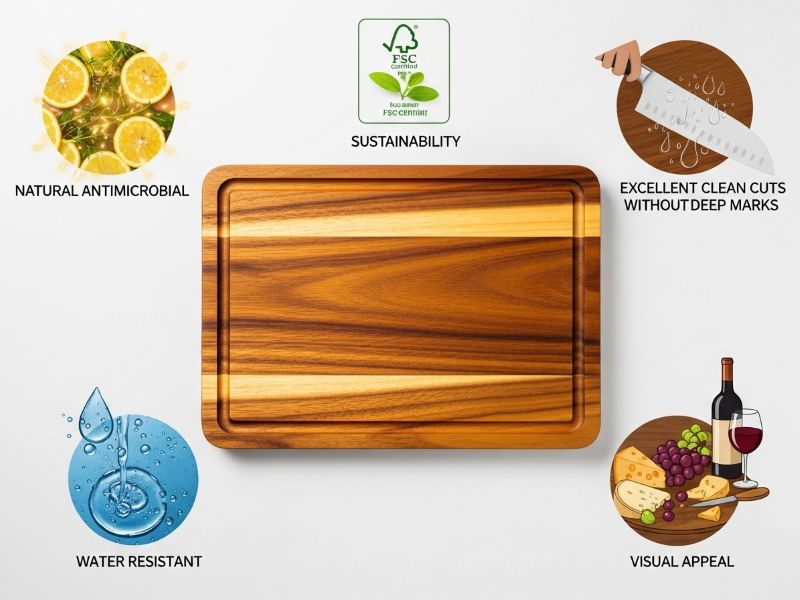
Natural Antimicrobial Properties: UC Davis research on hardwoods showed bacteria died off as wood dried after cleaning. Acacia’s porous capillary structure draws moisture away from bacterial cells through capillary action, creating hostile conditions for pathogen survival.
Excellent Durability: At 1,700 Janka hardness, acacia resists knife scarring better than maple (1,450 Janka). The dense grain structure means surface scratches tend to be shallower and easier to sanitize than softer woods.
Water Resistance: Acacia demonstrates exceptional water resistance due to natural oil content and dense grain structure, making it less prone to warping and splitting during repeated wet-dry cycles.
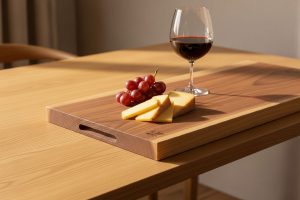
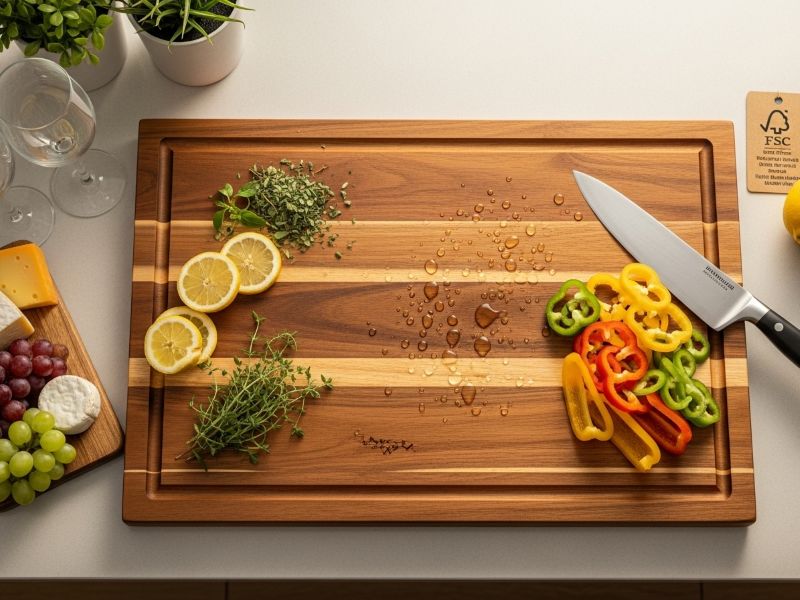
Visual Appeal: Each board displays unique coloration ranging from honey blonde to rich chocolate brown with dramatic grain flows, serving effectively for both prep work and cheese presentation.
Sustainability: Fast growth cycle (10-15 years vs 50+ for hardwoods) allows sustainable harvesting. FSC-certified acacia supports responsible forestry while providing economic opportunities in developing regions.
Cons
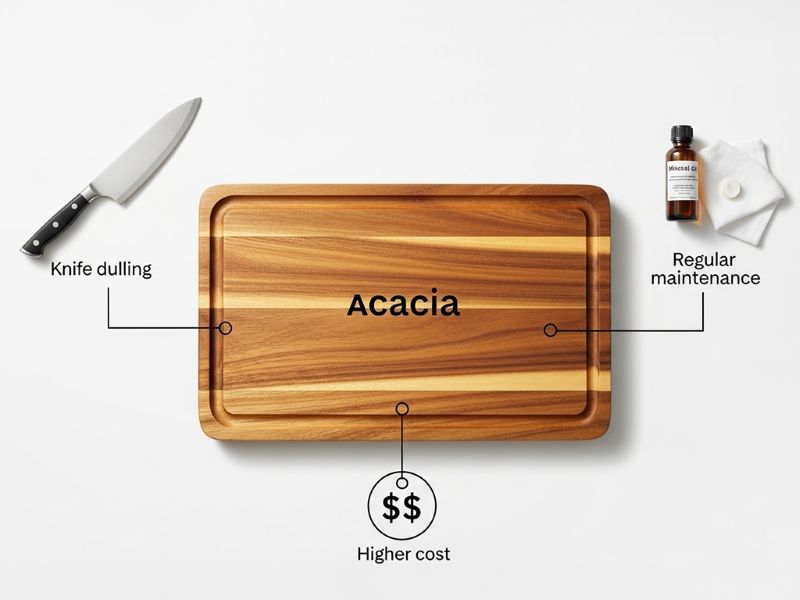
Knife Dulling: Acacia’s hardness (1,700 Janka) causes slightly faster knife dulling compared to maple, particularly affecting delicate blade geometries during extended use.
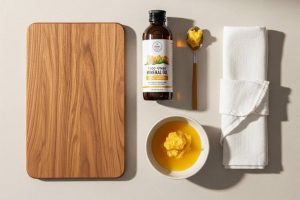
Maintenance Requirements: Requires regular oiling (monthly for heavy use, quarterly for occasional use) with food-grade mineral oil to prevent cracking. Must be hand-washed only – dishwashers cause damage.
Higher Initial Cost: More expensive than bamboo or plastic alternatives, though the investment pays off through extended lifespan and dual-purpose functionality.
How to Clean and Maintain Acacia Cutting Boards
Daily Cleaning Protocol
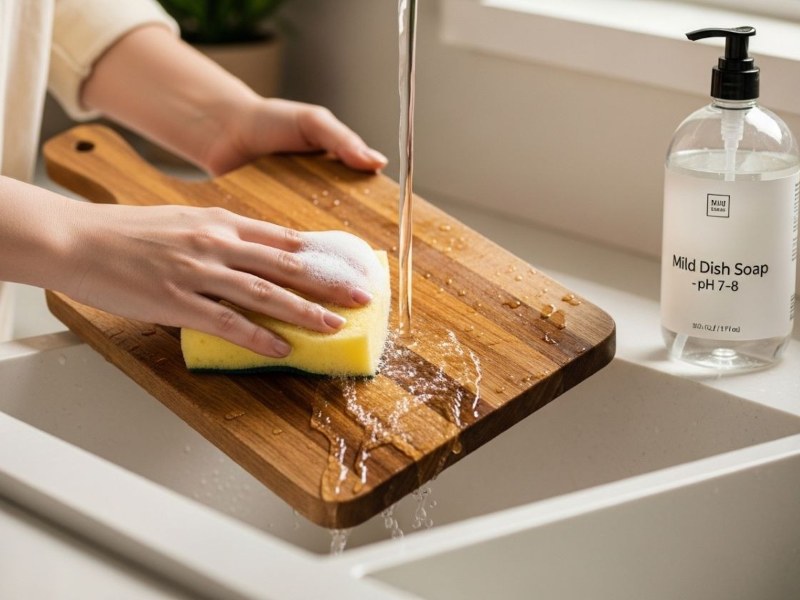
Wash with mild soap and warm water immediately after use, particularly after contact with raw meat. Scrub gently with a brush or sponge to remove food particles from grain. Rinse thoroughly and air dry completely – standing boards upright allows proper airflow around all surfaces.
Food safety authorities including the FSIS maintain that proper cleaning protocols remain essential regardless of wood type. The natural antimicrobial properties of acacia provide an additional safety margin, not a replacement for good hygiene practices.
Read more: How to clean a wooden cutting board
Regular Maintenance
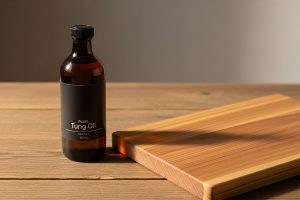
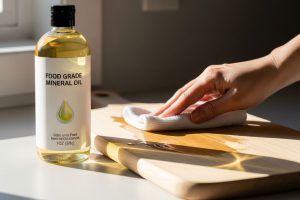
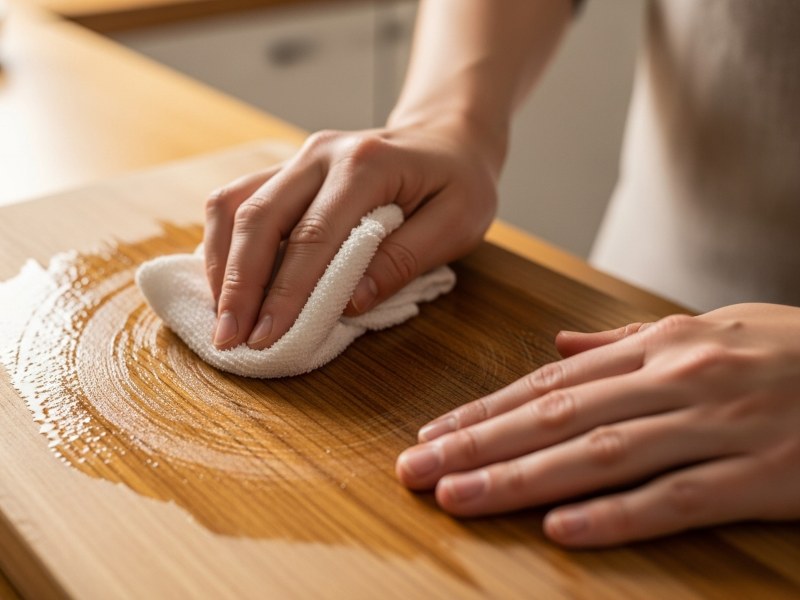
Monthly Oiling (Heavy Use): Apply food-grade mineral oil using a clean cloth, allowing it to penetrate for several hours before wiping excess. This maintains wood flexibility and prevents cracking.
Quarterly Oiling (Light Use): Same process but less frequent for boards used occasionally.
Deep Cleaning: For stubborn stains or odors, scrub with coarse salt and half a lemon, then rinse and dry thoroughly.
Never Use: Dishwashers, harsh chemicals, or bleach – these damage the wood and remove beneficial natural oils.
When properly maintained, acacia boards serve effectively for 5-10 years or more, comparing favorably to plastic boards that require replacement every 1-2 years as knife marks create sanitation challenges.
Is Acacia Wood Good for Cutting Boards?
Yes, acacia wood makes excellent cutting boards for home cooks who value durability, natural antimicrobial properties, and visual appeal. The wood’s dense grain resists bacterial harboring, while its natural drying characteristics create conditions that make it harder for pathogens to survive.
The key consideration is knife care — acacia’s hardness means knives may need sharpening a bit more often than on softer woods like walnut. However, end-grain construction helps reduce this issue by letting knife edges slip between fibers instead of cutting directly across them.
For everyday home cooks who prioritize value, sustainability, and aesthetics, acacia offers an ideal balance. A well-made acacia board can provide years of reliable service while also supporting responsible forestry practices.
And it doesn’t stop at cutting boards — acacia is also a favorite for other wooden kitchenware such as salad bowls, serving trays, and utensils. Its durability and beautiful grain patterns make it versatile for both prep work and elegant presentation at the table.
Koppen’s End-Grain Acacia: Elevating the Experience
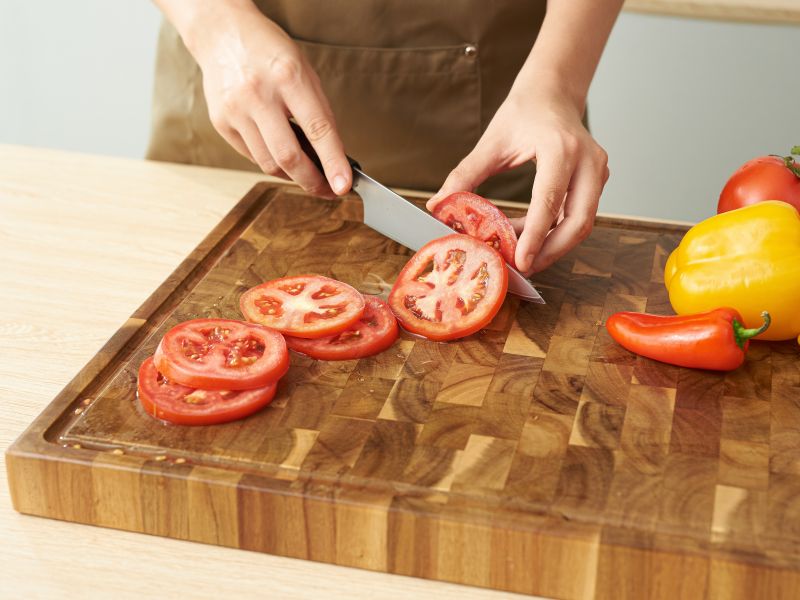
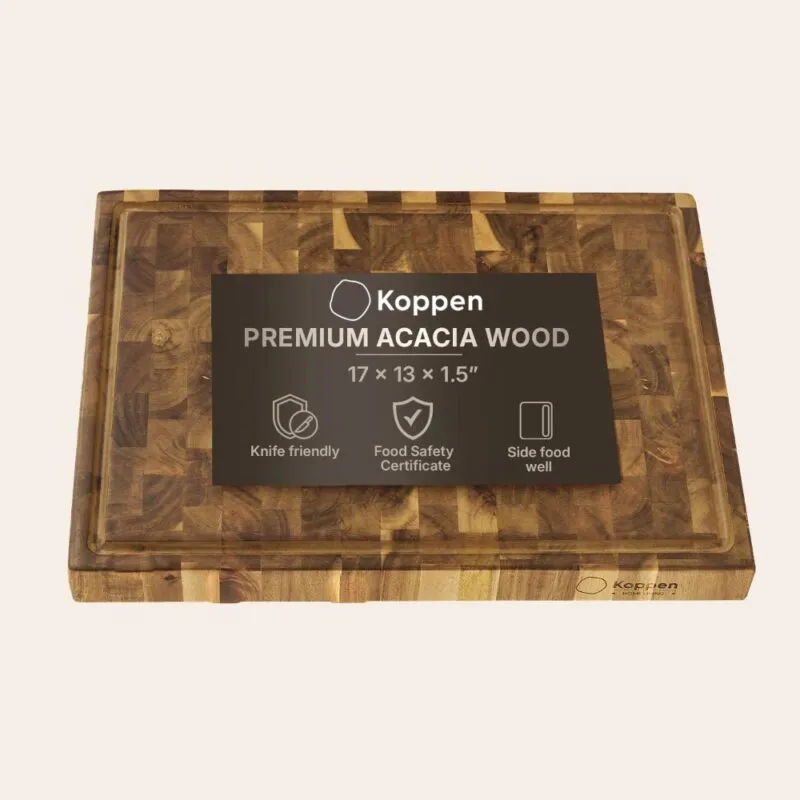
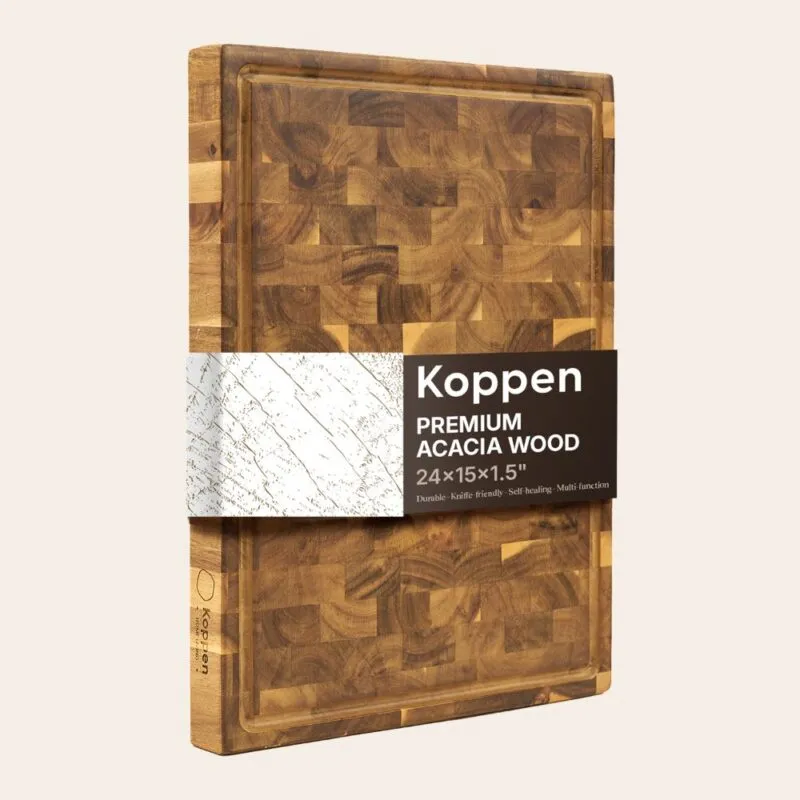
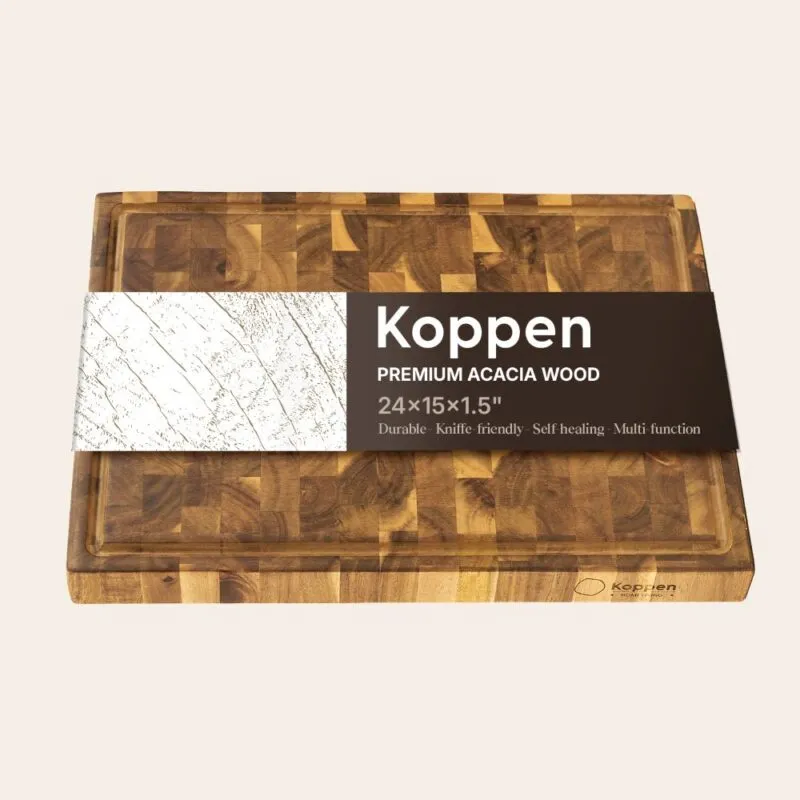
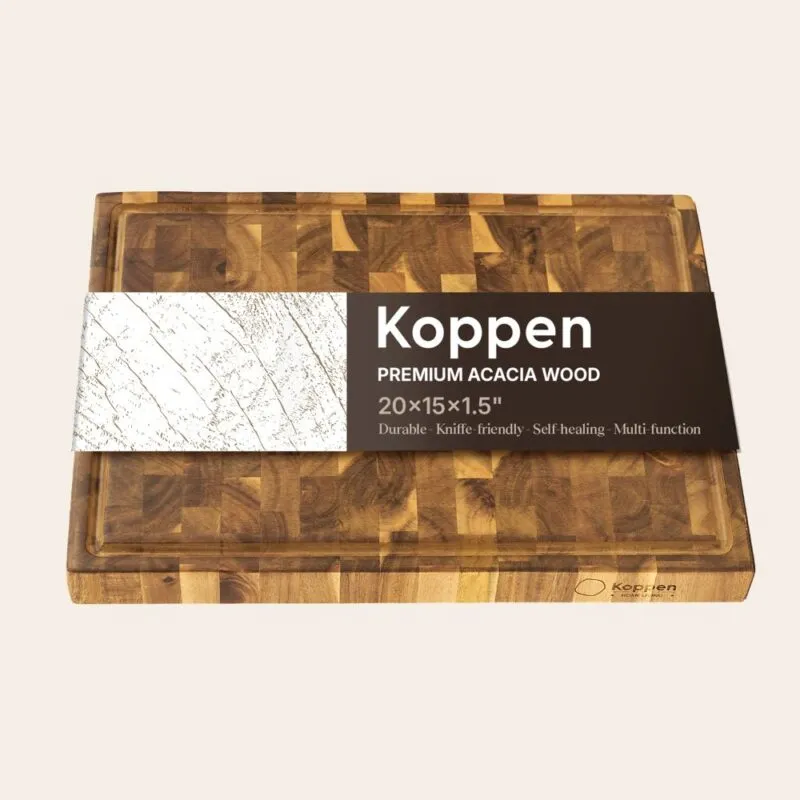
Koppen Home Living’s end-grain acacia cutting boards address the primary knife-friendliness concern while maximizing acacia’s natural benefits. The end-grain construction creates a “self-healing” effect where wood fibers spring back after cuts, maintaining surface smoothness over time.
Our sustainably sourced acacia from Vietnam supports environmental responsibility and economic development in producing regions. The affordable premium positioning makes quality acacia accessible to home cooks who value both performance and aesthetics without luxury pricing.


Conclusion
Acacia wood definitively qualifies as an excellent cutting board choice, particularly in end-grain construction. The combination of antimicrobial properties, visual appeal, sustainability credentials, and accessible pricing creates compelling value for home cooks seeking quality kitchen tools.
While acacia requires standard maintenance and slightly more attention to knife care, these considerations are minor compared to the long-term benefits of durability, beauty, and environmental responsibility. For those wanting elegance, sustainability, and practicality, Koppen’s end-grain acacia boards deliver exactly this combination.
Read more: