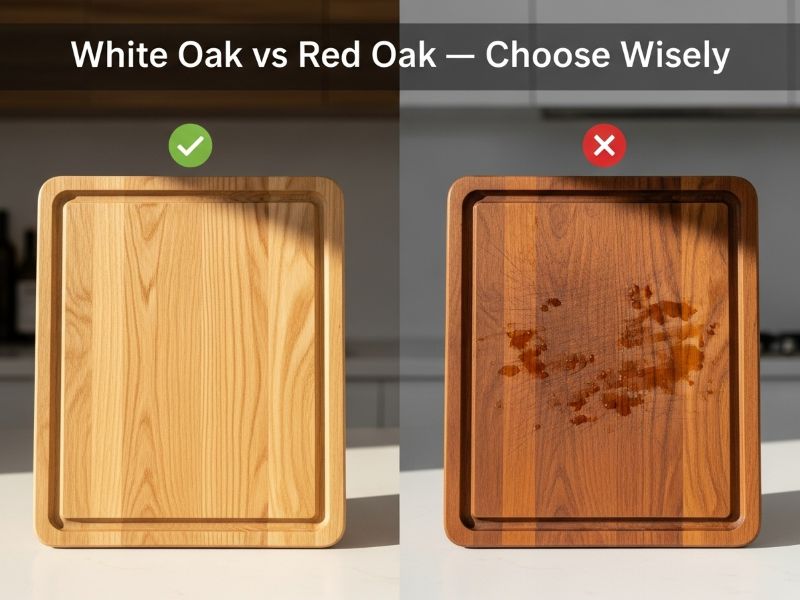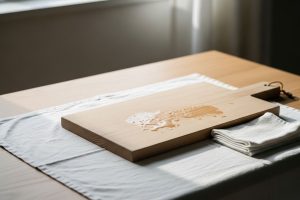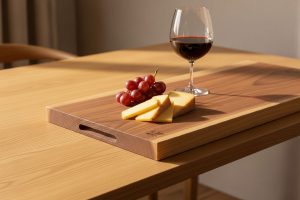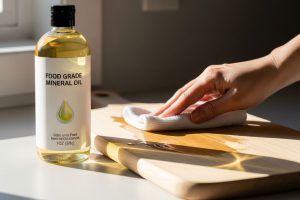
When choosing a cutting board, many wonder if oak is a good option. The answer depends on the type of oak. White oak can work well because its natural structure resists moisture, while red oak absorbs water easily and can trap bacteria. This key difference is why winemakers use white oak for barrels, not red oak. Let’s look closer at what sets these two woods apart and how that affects their performance in your kitchen.
Understanding Oak Wood Properties
Oak refers to the broad family of hardwood trees in the Quercus genus, native to North America and Europe. Known for exceptional durability, distinctive grain patterns, and widespread availability, oak has built civilizations – from Viking longships to American bourbon barrels. But not all oak is created equal.
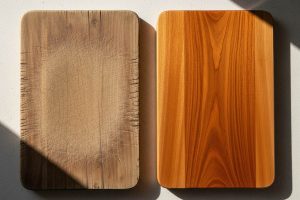
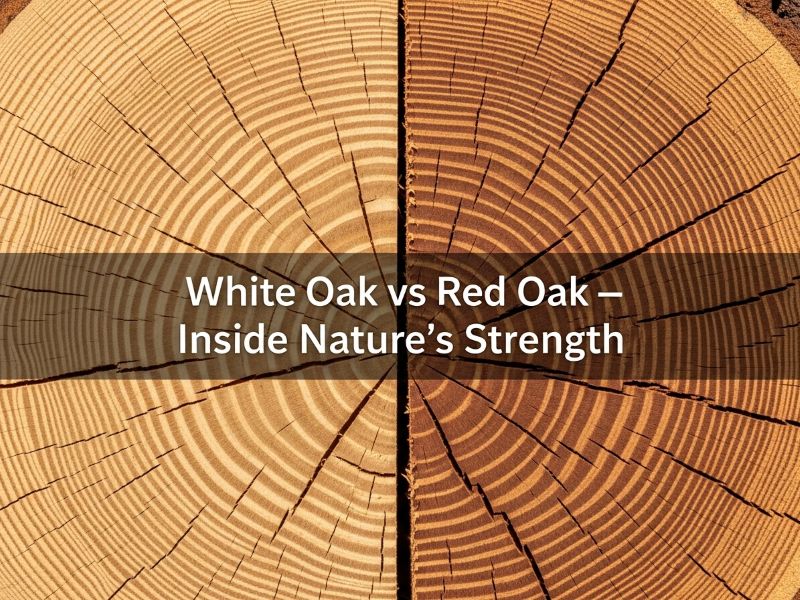
The critical distinction lies between white oak and red oak, two groups that differ dramatically in their cellular structure and moisture resistance.
White Oak: The Closed-Pore Champion
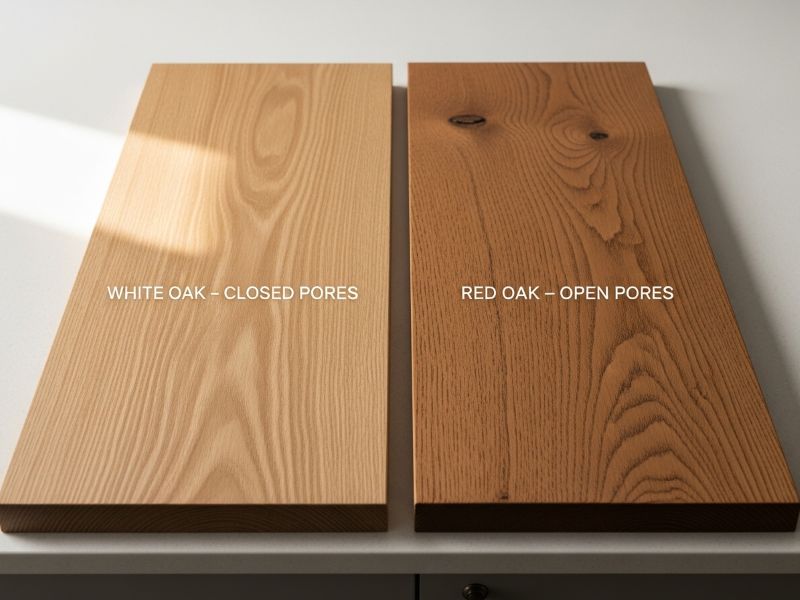
White oak (primarily Quercus alba) possesses a unique anatomical feature called tyloses, small growths that seal off the wood’s pores. These natural plugs make white oak a moisture-resistant hardwood with a Janka hardness rating of about 1,360 lbf.
This structure explains why shipbuilders used white oak for hull planking and why distillers rely on it for whiskey barrels. The wood naturally resists liquid absorption, making it better suited for kitchen use than its red counterpart.
Its grain is tight and straight with subtle ray flecks that catch light beautifully. The natural tan to golden-brown color deepens with age and oil treatment, developing a rich patina that enhances its timeless character.
Red Oak: The Open-Pore Problem
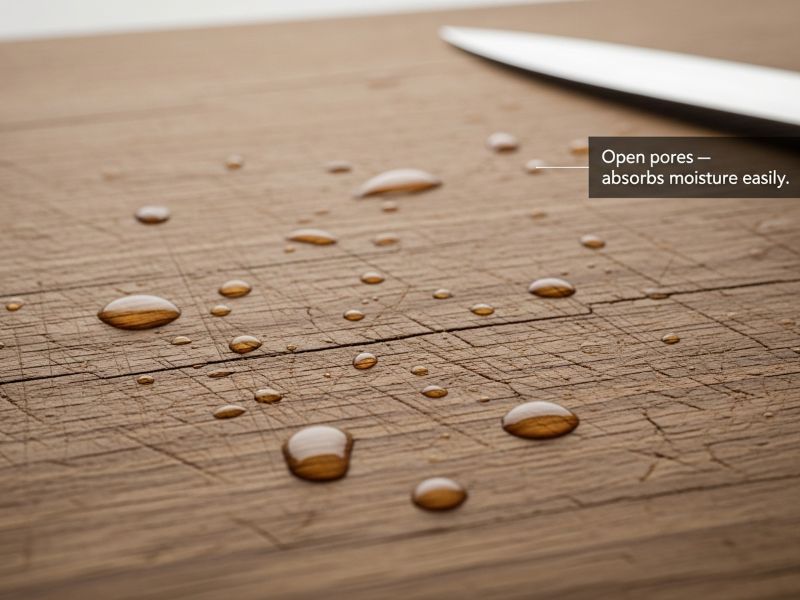
Red oak (Quercus rubra and relatives) lacks tyloses entirely. Its vessels remain open tubes running through the wood, creating highways for moisture and microorganisms. With a slightly lower Janka rating of 1,290 lbf, red oak still offers decent hardness but fails catastrophically in moisture resistance.
You can demonstrate this yourself: blow air through a piece of red oak and watch bubbles form on the opposite side when submerged in water. This porosity makes red oak excellent for furniture that needs to breathe but disastrous for cutting boards that face constant moisture exposure.
The warm reddish-brown tones and prominent cathedral grain patterns make red oak visually striking, which explains its popularity in cabinetry. But beauty alone doesn’t make a functional cutting board.
White Oak Cutting Boards: A Qualified Success
Advantages Worth Considering
- Exceptional water resistance. The tyloses-filled pores in white oak create natural moisture protection that rivals many tropical hardwoods. This same property that makes white oak barrels watertight for decades directly translates to cutting board longevity.
- Balanced hardness for everyday use. At around 1,360 lbf on the Janka scale, white oak is hard enough to resist deep knife marks yet soft enough to protect knife edges better than ultra-hard woods like hickory or ipe. Your knives will thank you for this middle ground.
- Natural antibacterial qualities. Tannins found in white oak offer mild antimicrobial effects. While not a replacement for proper cleaning, they add an extra layer of protection against bacteria between uses. When paired with regular oiling, the surface stays both durable and food-safe.
- Stable and smooth over time. The straight, tight grain minimizes splitting and checking. Unlike softer woods that develop deep grooves quickly, white oak maintains a smooth, reliable surface even after years of daily prep. Professional woodworkers also appreciate how consistently it machines and finishes.
Disadvantages to Address
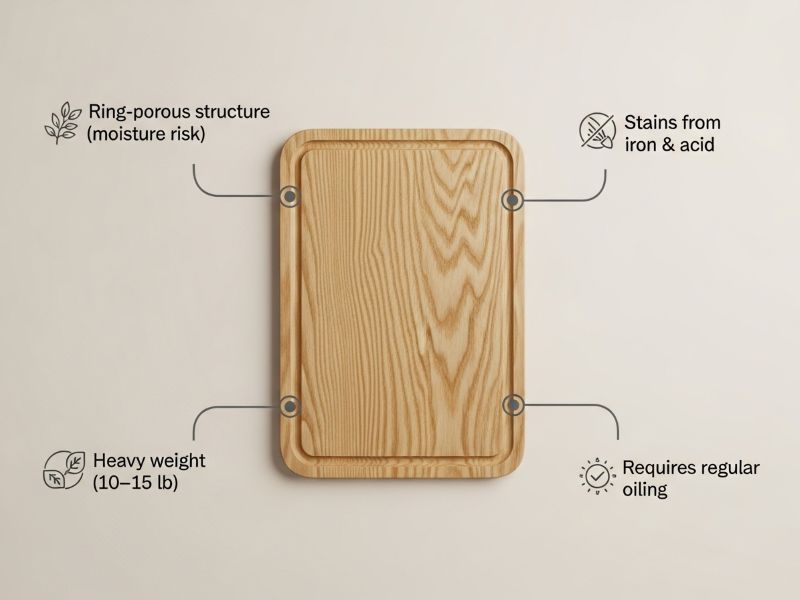
- Still ring-porous at its core. Despite the presence of tyloses, white oak remains technically ring-porous. The spring growth contains larger vessels than the summer wood, creating variation in density. Without regular oil maintenance, these areas can still absorb moisture and develop problems.
- Prone to staining from iron and acids. Tannins, while antimicrobial, react with metal and acidic foods. Leave a wet knife on the surface or cut lemons directly on the board, and dark stains will appear. These marks are harmless but can frustrate users who prefer a spotless look.
- Heavy and less maneuverable. White oak’s density gives it strength but also weight. Larger boards can reach 10–15 pounds, making daily washing and handling cumbersome for some home cooks. Consider this if you prefer a lightweight, portable board.
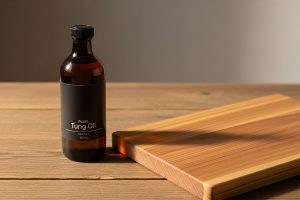
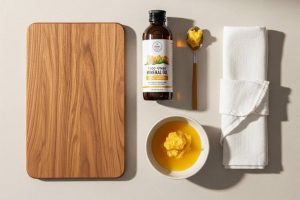
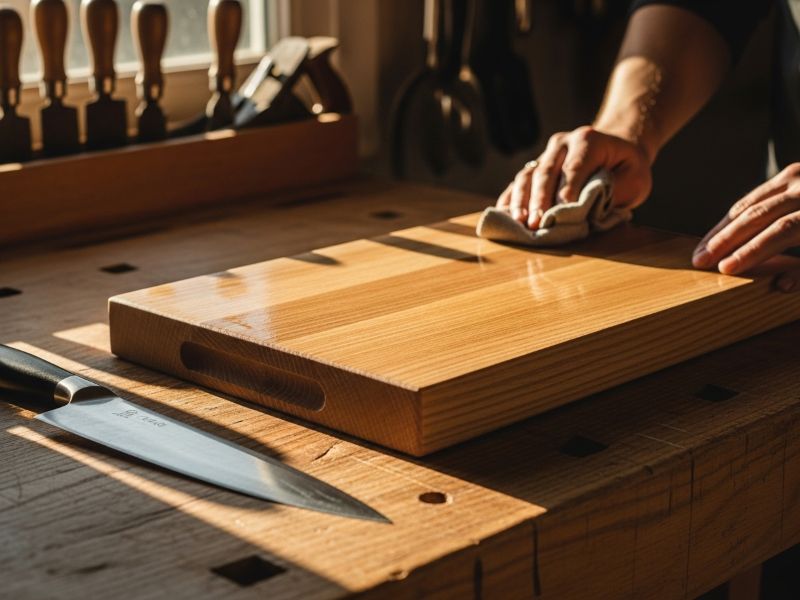
- Requires consistent care. Monthly oiling with food-grade mineral oil or board conditioner isn’t optional—it’s essential. Regular maintenance prevents cracks, maintains water resistance, and keeps the board performing for years. Skipping this step shortens its lifespan considerably.
Red Oak Cutting Boards
Limited Advantages
- At first glance, red oak seems appealing. Its widespread availability and affordable pricing make it tempting for budget-conscious shoppers. As one of North America’s most common hardwoods, red oak costs significantly less than premium options like walnut or teak.
- Visually, it’s hard to resist. The dramatic grain patterns and warm reddish tones create a striking look that stands out in any kitchen. For decorative serving boards or cheese platters used exclusively with dry foods, red oak can perform reasonably well when properly sealed.
Critical Disadvantages
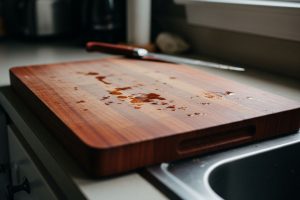
- Open pores mean poor hygiene. The open-pore structure of red oak creates serious sanitation issues. Those unsealed vessels act like tiny straws, drawing liquids deep into the wood where cleaning can’t reach. Bacteria, mold spores, and food particles can become permanently trapped inside.
- Moisture quickly destroys the wood. Red oak cutting boards often warp, crack, or soften after only a few months of regular use. Constant wet and dry cycles cause expansion and shrinkage that break down the board’s structure over time.
- Sealants can’t fix the problem. Even heavy coatings like polyurethane or epoxy only mask the issue temporarily. Once the surface gets scratched, water and bacteria enter again, making food safety impossible to guarantee.
- Odor retention is unavoidable. Red oak absorbs and holds strong smells like garlic, onion, and fish. These odors linger deep within the wood, combining over time into an unpleasant mix that’s nearly impossible to remove.
Read more: Best Wood for Cutting Boards: Which Wood is Right for You?
Practical Applications for Oak Boards
Where White Oak Works
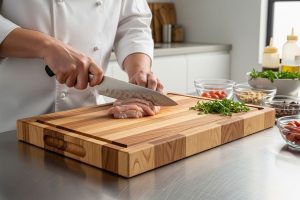
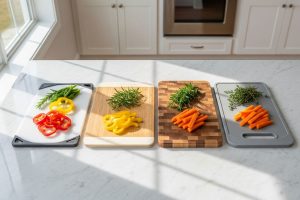
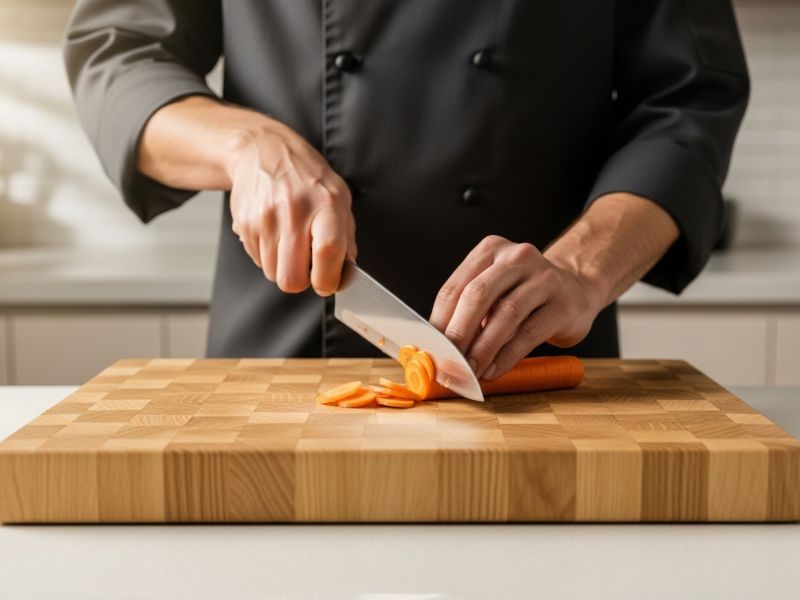
Ideal for heavy-duty kitchen prep. White oak excels as a chopping block material for serious home cooks who understand wood care. Its durability and natural water resistance make it perfect for breaking down poultry, prepping vegetables, or even kneading bread dough.
Beautiful and functional for serving. Charcuterie and presentation boards benefit from white oak’s elegant grain and food-safe qualities. Its tight pore structure prevents cheese oils or cured meat residues from seeping in, keeping the surface clean and easy to maintain.
Top-tier performance in end-grain designs. End-grain white oak butcher blocks showcase the best of oak craftsmanship. The vertical grain orientation enhances both knife-friendliness and moisture resistance, though these premium boards come at a higher price due to their complex build.
Where Red Oak Doesn’t
Avoid red oak for any food prep. Red oak should stay far from kitchen tasks involving moisture. Its porous structure makes it fundamentally unsuitable for cutting, chopping, or direct food contact where liquids are present.
Best reserved for dry, decorative uses. Red oak can still serve beautifully in low-moisture settings – bread boards that don’t require frequent washing, display platters for dry goods, or trivets for hot dishes. In spaces where water isn’t a concern, its warm tone and bold grain can shine safely.
Comparison: Oak vs Other Common Cutting Board Woods
| Wood Type | Janka Hardness (lbf) | Grain Structure | Moisture Resistance | Knife-Friendliness | Maintenance & Notes |
|---|---|---|---|---|---|
| White Oak | ~1,360 | Closed-pore (with tyloses) | Good – naturally water-resistant | Moderate – firm but not harsh | Needs regular oiling; heavy but durable and long-lasting |
| Red Oak | ~1,290 | Open-pore | Poor – absorbs water easily | Moderate | Not hygienic for food prep; high maintenance |
| Maple (Hard Maple) | ~1,450 | Tight, closed grain | Excellent | Very good – gentle on knives | Low maintenance; standard for professional butcher blocks |
| Walnut | ~1,010 | Fine, straight grain | Good | Excellent – smooth and forgiving | Needs oiling; softer surface with premium aesthetics |
| Teak | ~1,070 | Oily, dense grain | Excellent – natural oils repel water | Moderate – may dull knives slightly | Low maintenance; ideal for humid climates |
| Beech | ~1,300 | Fine, even grain | Moderate | Good | Affordable; can swell slightly if not well-oiled |
| Acacia | ~1,500 | Interlocked, medium grain | Very good – dense and naturally oily | Moderate | Durable and water-tolerant; affordable alternative to teak |
When compared to other hardwoods, oak stands out for its density and strength but falls behind in moisture control. Woods with tighter, closed grains tend to perform better in hygiene and maintenance, while open-pored species like oak require more care.
In terms of hardness, oak sits near the upper middle – tougher than walnut or beech, yet slightly below maple. The key differences become clear when evaluating how each wood handles water exposure, knife impact, and long-term upkeep, as shown in the table below.
Making the Right Choice
For those willing to maintain their boards, white oak can be a solid option that combines strength, beauty, and durability. Regular oiling and proper drying will keep it performing for years.
If you prefer low maintenance and top-tier hygiene, hard maple, walnut, or teak are better choices. Maple leads in food safety, walnut offers a softer cutting feel, and teak excels in moisture resistance.
So, is oak good for cutting boards? Only when it’s white oak and cared for properly. Red oak, with its open pores, remains unsuitable for any food prep. The species truly determines whether your board thrives – or fails – in the kitchen.