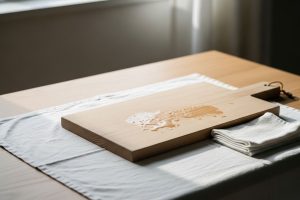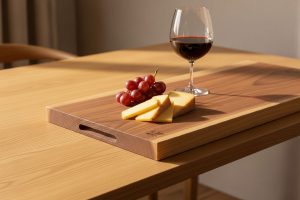
Pine cutting boards look charming and cost less, but are they truly practical? This guide explains if pine is good for cutting boards, highlighting how its softness, hygiene, and durability compare to hardwoods like maple or walnut – so you can choose wisely.
Is Pine Good for Cutting Boards?
Pine can work as a cutting board, but it’s less durable and sanitary than hardwoods. As a softwood, pine has a looser grain that cuts easily, wears down faster, and absorbs moisture quickly. It’s best for light kitchen tasks – like slicing bread, cutting cheese, or serving – but not ideal for heavy chopping or raw meat prep. Its porous surface can trap bacteria if not cleaned properly.
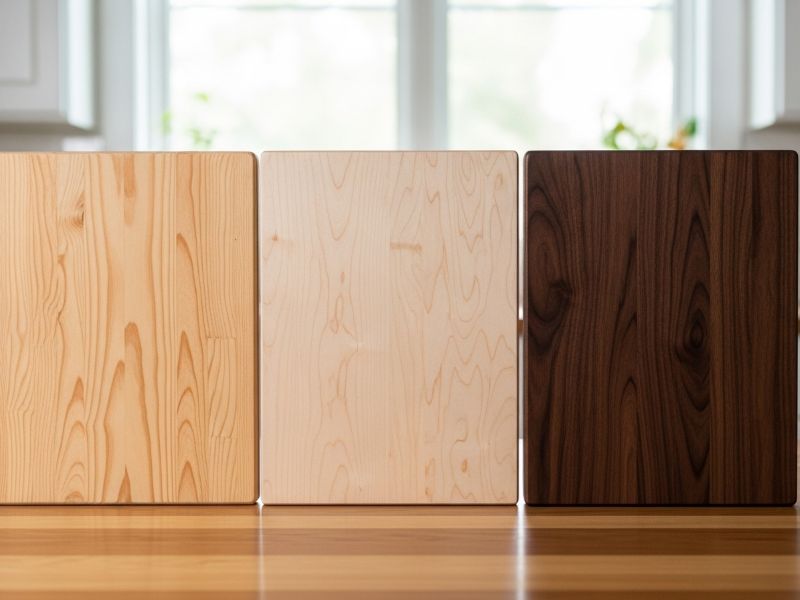
Understanding the difference between wood types explains why pine performs differently. Hardwoods like maple and walnut have tighter grain structures that resist damage and moisture. Softwoods such as pine grow faster, making them lighter and less dense.
| Wood Type | Density (Janka Hardness) | Porosity Level | Expected Lifespan |
|---|---|---|---|
| Pine | 380-420 lbf | High | 1-3 years |
| Maple | 1,450 lbf | Low | 10+ years |
| Walnut | 1,010 lbf | Low | 8-10 years |
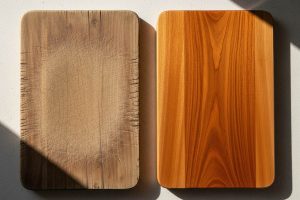
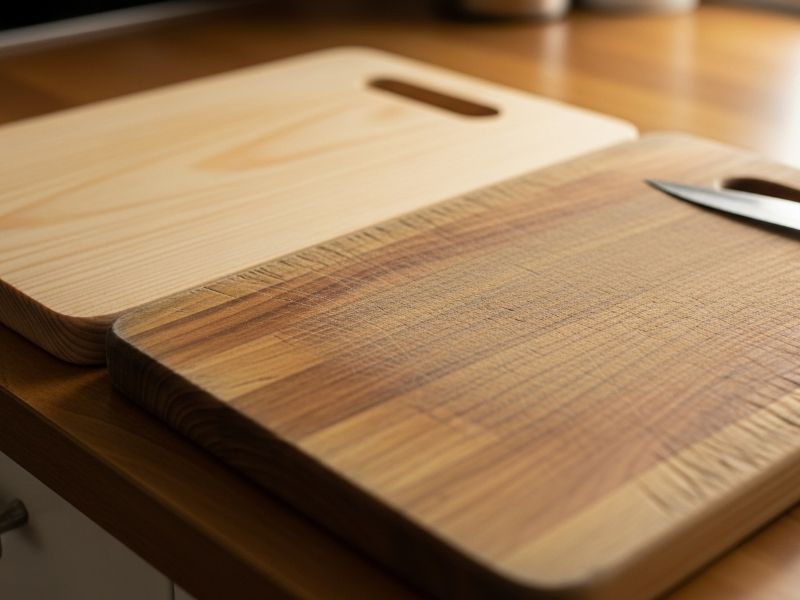
The data reveals pine’s softness – measured at roughly one-third the hardness of maple. This gap affects not only wear patterns but also the board’s ability to self-heal minor cuts. Denser woods close knife grooves through natural compression, while pine’s open grain retains these marks as permanent scars. The contrast becomes evident after only weeks of regular use.
Pros and Cons of Pine Cutting Boards
Pine cutting boards are affordable and gentle on knives but fall short in durability and hygiene, making them better suited for light use than daily cooking.
Advantages
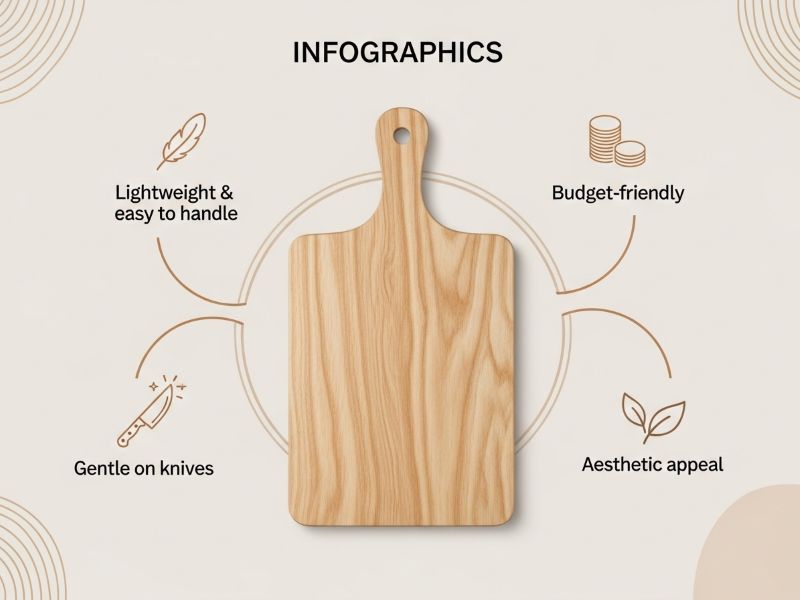
Pine delivers four distinct benefits that explain its continued presence in kitchens and craft markets.
- Lightweight and easy to handle: Pine boards typically weigh only 2–3 pounds for a 12×18 inch size, compared to 5–7 pounds for maple. This makes them easier to move, wash, and store. Users with limited strength or dexterity especially appreciate this convenience.
- Budget-friendly option: Pine remains one of the most affordable cutting board materials, often priced between $15–30, while maple starts around $50 and walnut exceeds $80. This affordability appeals to beginners, renters, or anyone who prefers replacing rather than maintaining expensive boards.
- Gentle on knives: Pine’s soft surface compresses slightly under pressure instead of resisting the blade. Tests by knife sharpeners show that blades used primarily on pine stay sharp 30–40% longer than when used on bamboo or composite boards. This is valuable for cooks who invest in high-end or carbon-steel knives.
- Aesthetic appeal: The pale, creamy tone and visible knots of pine lend a rustic, natural look ideal for bread or charcuterie presentation. Its unique wood grain and color variation make it as decorative as it is functional for light use.
Disadvantages
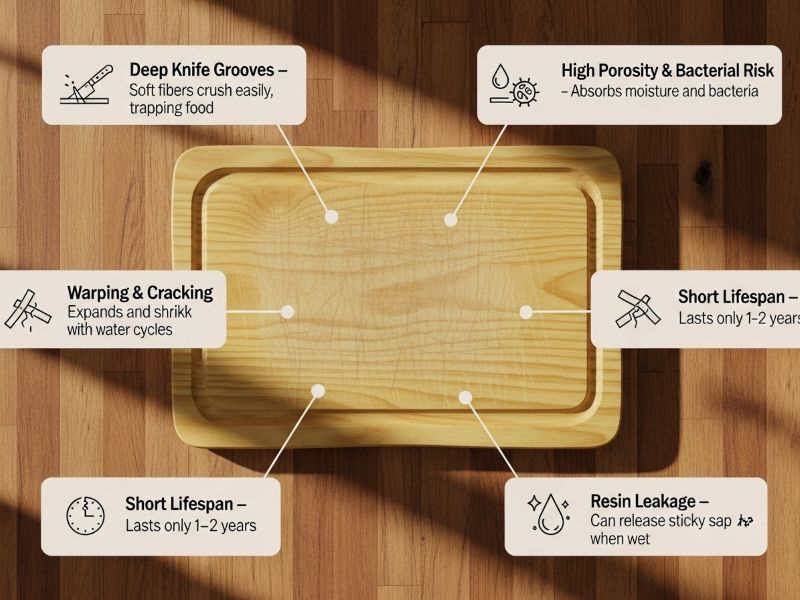
The limitations of pine cutting boards outnumber the benefits when examined through durability and safety standards.
- Softness and deep knife grooves: Pine fibers crush and separate under repeated cutting, creating grooves that trap food particles and moisture. After a few months, these marks accumulate damage 4–5 times faster than maple, making cleaning difficult and unsanitary.
- High porosity and bacterial risk: Pine absorbs moisture up to 60% more quickly than hardwoods, allowing bacteria, odors, and food residue to penetrate the surface. Studies show E. coli and Salmonella survive longer on softwoods, posing a safety risk for raw meat or poultry preparation.
- Warping and cracking from moisture cycles: The wood expands when wet and contracts as it dries, often warping within 3–6 months of use. Warped boards become unstable and unsafe, leading to potential knife slips or uneven cuts.
- Short lifespan and false economy: Although cheap upfront, pine boards usually last only 1–2 years. Replacing them multiple times costs more in the long run than maintaining a durable maple board that lasts a decade.
- Resin leakage in some species: Varieties such as yellow pine can release sticky resin when exposed to heat or moisture. While not toxic, it affects flavor, texture, and overall food quality – making it unsuitable for serious culinary use.
Read more: Best Wooden Cutting Boards For Slicing, Chopping In 2025
Best Uses for Pine Boards
Pine cutting boards work best in light-duty or decorative roles where their softness and porosity aren’t major drawbacks. Used correctly, they can be safe, attractive, and practical.
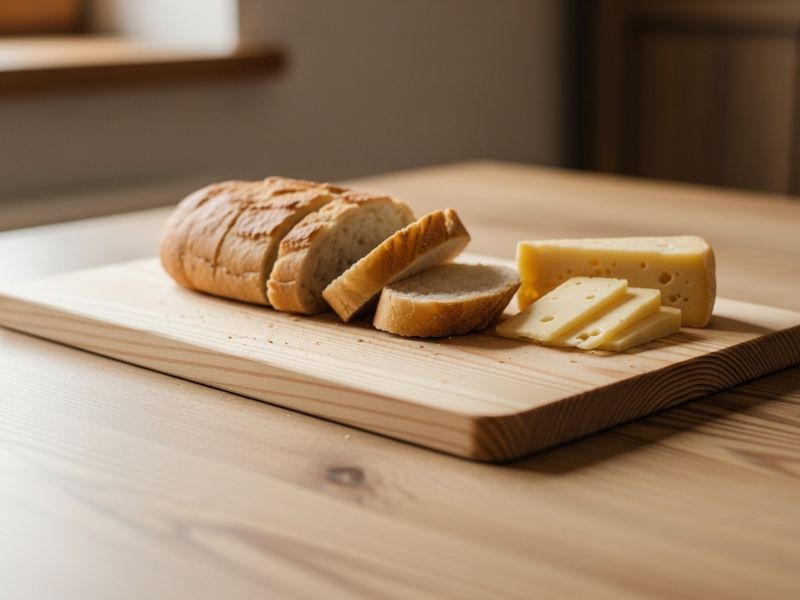
- Bread slicing and serving: Ideal for bread and baked goods – pine’s soft surface won’t dull serrated knives, and its absorbency isn’t an issue since bread produces little moisture. Many bakeries use pine boards for their rustic look in displays.
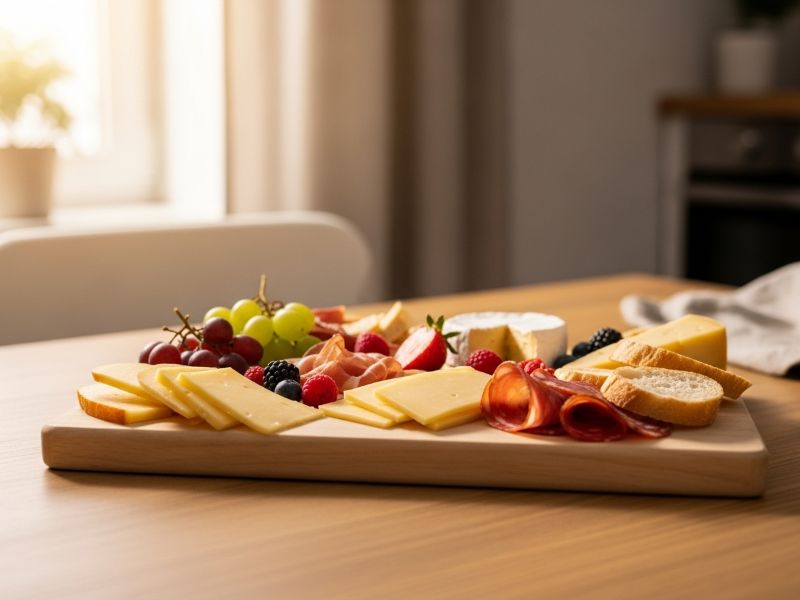
- Cheese and charcuterie boards: Pine’s pale tone highlights cheeses, meats, and fruits beautifully. It’s suitable for short-term serving, not heavy cutting. The surface can be cleaned thoroughly after use, reducing hygiene concerns.
- Light fruit prep: Works for gentle slicing of melons, berries, or stone fruits. These foods are low-risk and mildly acidic, which helps keep the board fresh. Avoid citrus or highly acidic items that can damage the wood over time.
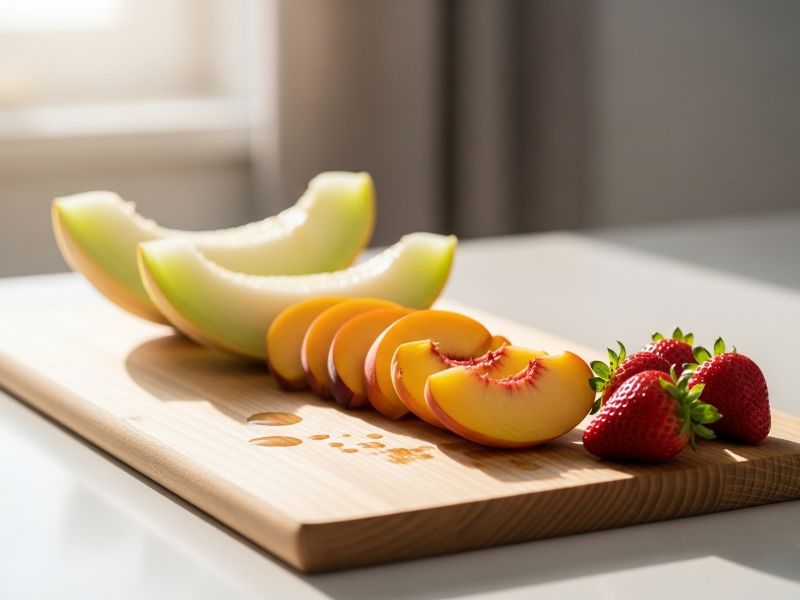
- Decorative and serving uses: Excellent as a trivet, platter, or presentation board for dry foods. Without knife use or water exposure, pine retains its charm and lasts much longer.
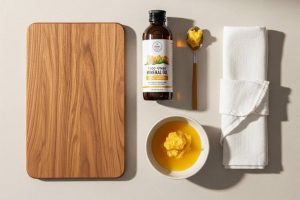
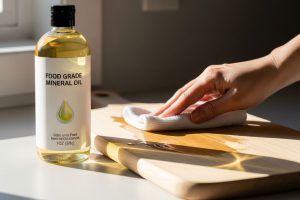
If you choose to use pine despite its limitations, proper maintenance extends its functional life. Oil the board every two weeks with food-grade mineral oil to seal the surface and reduce moisture absorption. Clean immediately after each use with hot water and mild soap, then dry completely. Never soak pine boards or place them in dishwashers. Sand the surface monthly with 220-grit sandpaper to remove shallow cuts and refresh the wood. These practices help, but they cannot overcome pine’s fundamental structural weaknesses.
Better Alternatives
Professional kitchens and experienced home cooks rely on hardwoods that outperform pine across all metrics. These alternatives cost more initially but deliver superior hygiene, durability, and value over their extended lifespans. Each wood type offers distinct characteristics that match different cooking styles and priorities.
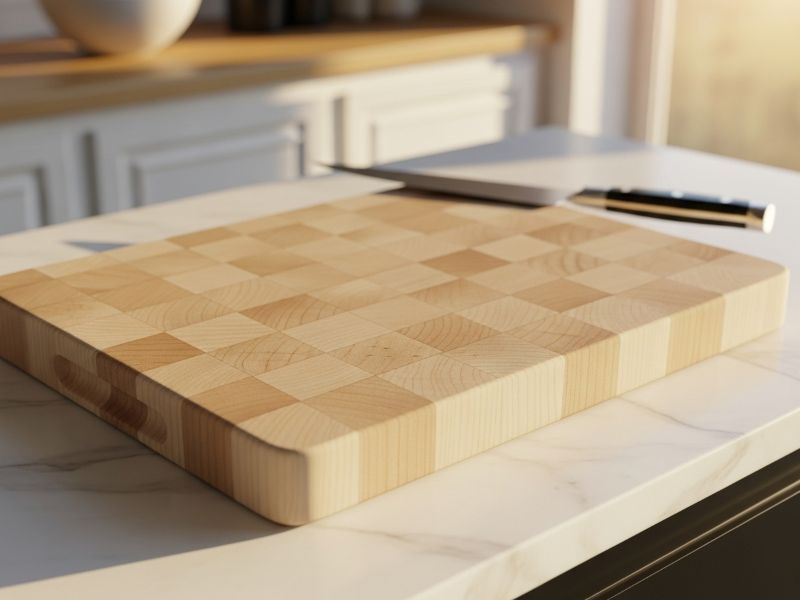
Maple – The Professional Standard:
- Hardness: 1,450 lbf
- Highlights: Durable yet gentle on knives; naturally antimicrobial.
- Details: University of Wisconsin studies show bacteria die within minutes on maple, unlike on plastic. Its tight grain resists stains and moisture. With regular oiling, a maple board lasts 10–15 years.
- Best for: Everyday use, raw meat prep, professional kitchens.
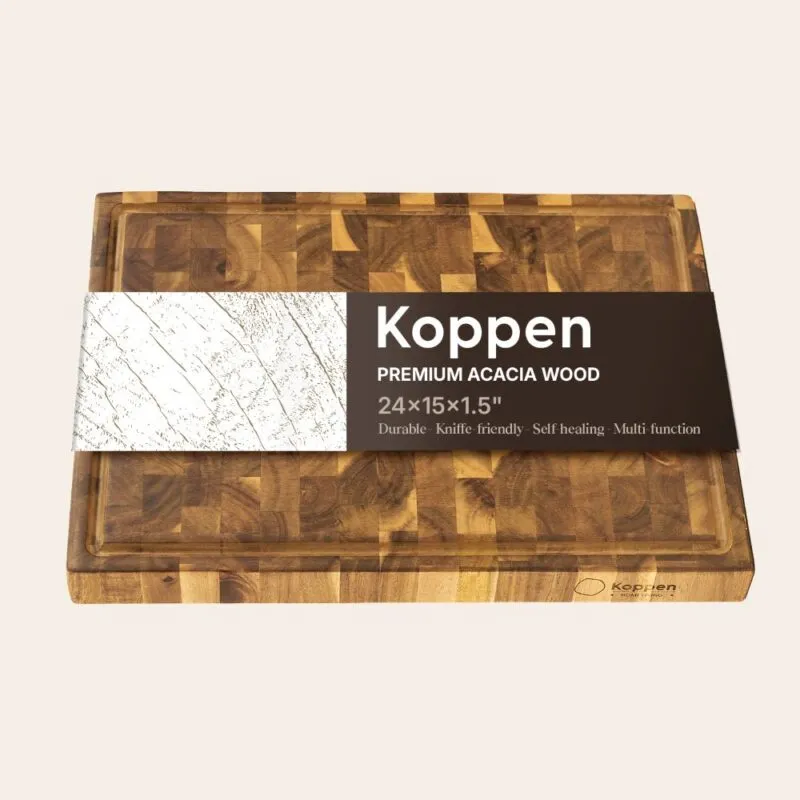
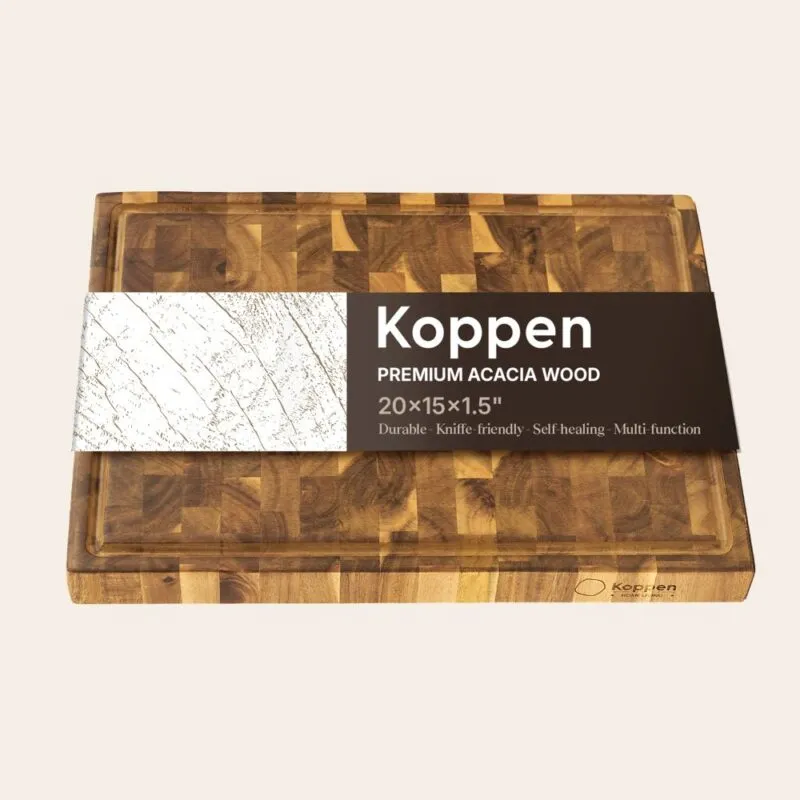
Acacia – Durable and Distinctive Choice
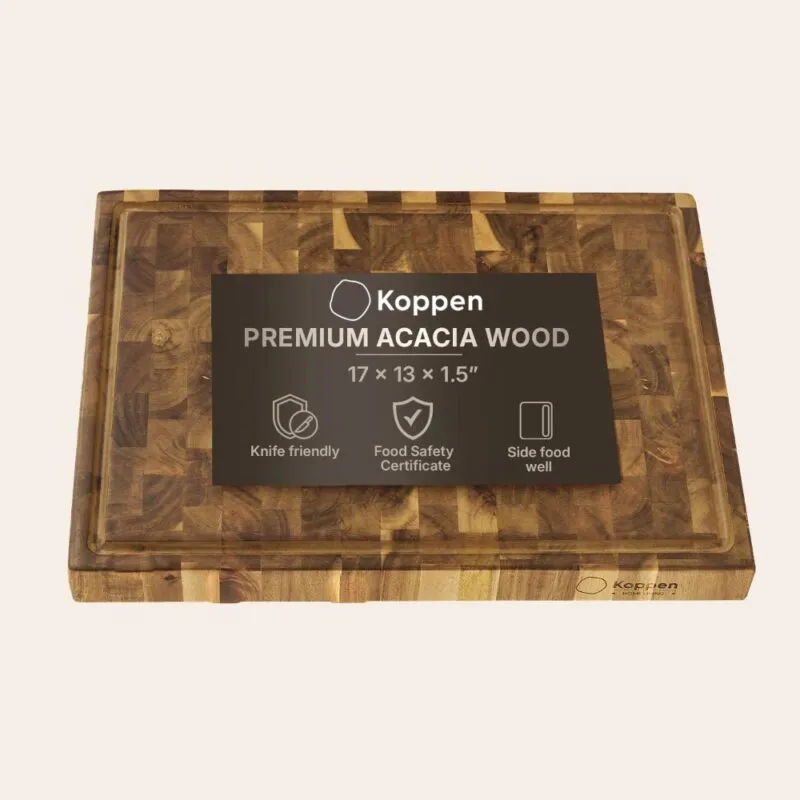
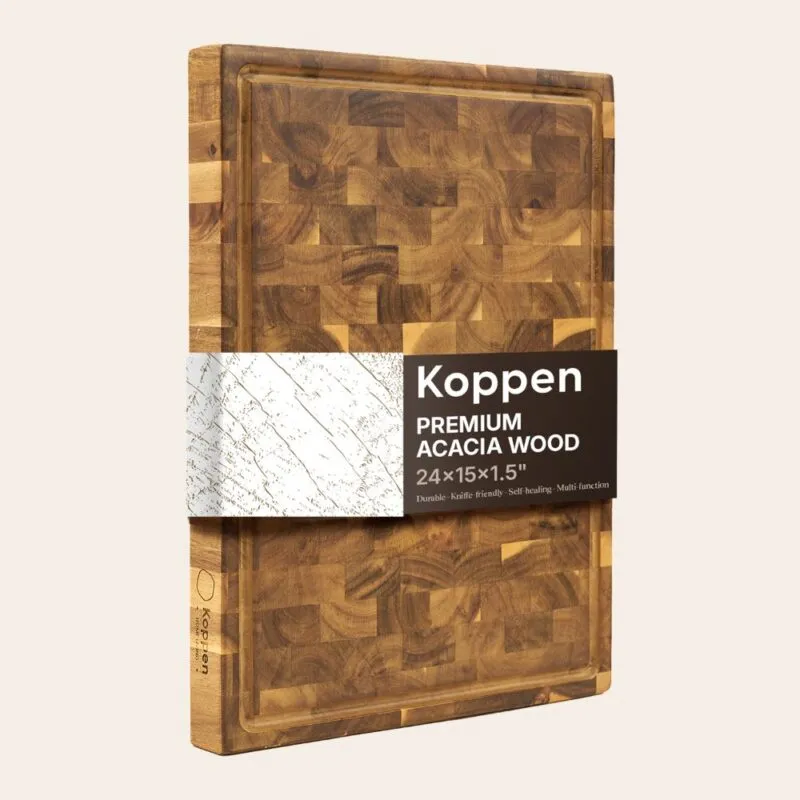
- Hardness: 1,100–1,200 lbs
- Highlights: Naturally water-resistant; dense yet gentle on knives; rich golden-brown color.
- Details: Acacia is a strong, moisture-resistant hardwood ideal for daily kitchen use. Its smooth grain is gentle on blades and resists warping or cracking with proper oiling. The warm golden tone adds natural elegance to any kitchen.
- Best for: Home cooks seeking a balance of beauty, durability, and sustainability.


Beech – Reliable Mid-Range Option:
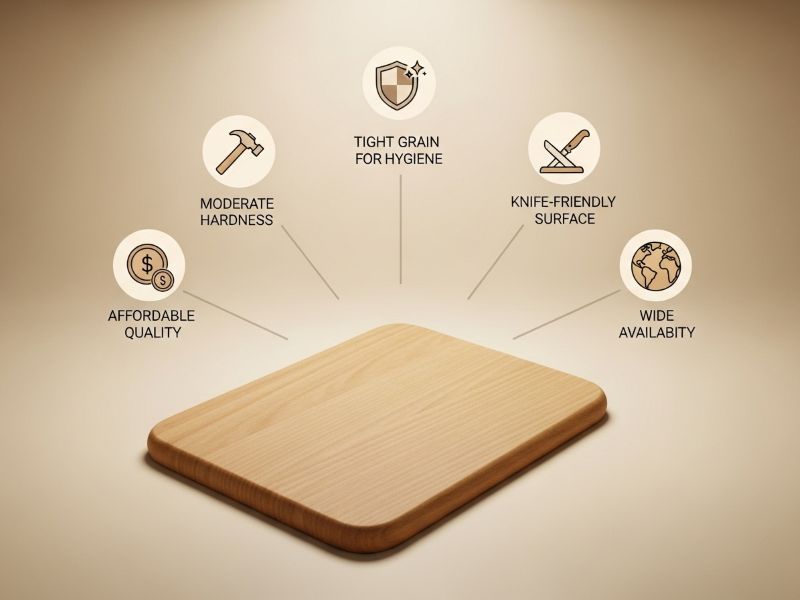
- Hardness: ~1,300 lbf
- Highlights: Tight, even grain; moisture-resistant; budget-friendly.
- Details: Performs comparably to maple but at a lower price. Light pink-brown tone fits most kitchens. Needs regular oiling and prompt drying.
- Best for: Quality seekers on a budget.
Teak – Naturally Water-Resistant:
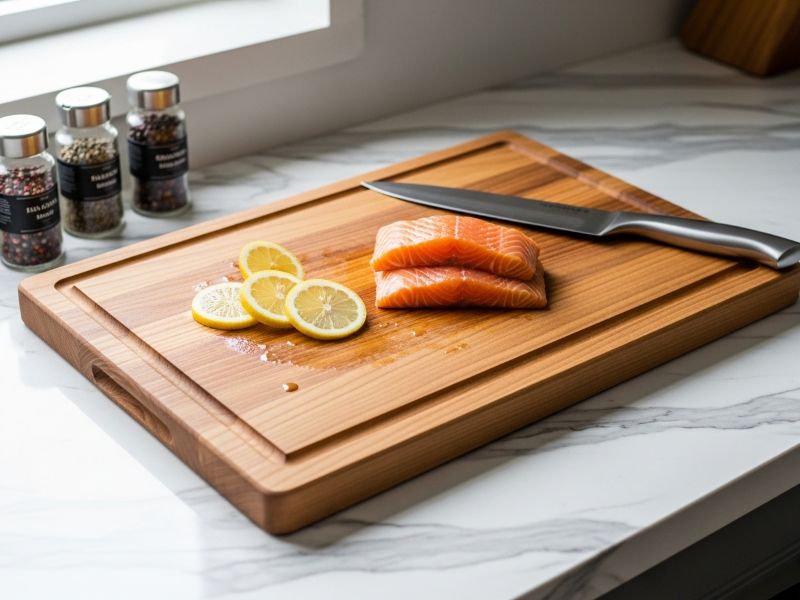
- Hardness: 1,000–1,155 lbf
- Highlights: Naturally oily and water-repellent; rarely warps or cracks.
- Details: Low-maintenance choice for humid environments or busy cooks. Golden color darkens beautifully over time. Choose FSC-certified teak to ensure sustainability.
- Best for: Low-maintenance users or outdoor kitchens.
Bamboo – Eco-Friendly Alternative:
- Hardness: 1,300–1,400 lbf
- Highlights: Sustainable, moisture-resistant, lightweight.
- Details: Technically a grass, bamboo is renewable and affordable. Harder on knives than wood and varies by quality – choose formaldehyde-free options.
- Best for: Eco-conscious cooks, light to moderate use.

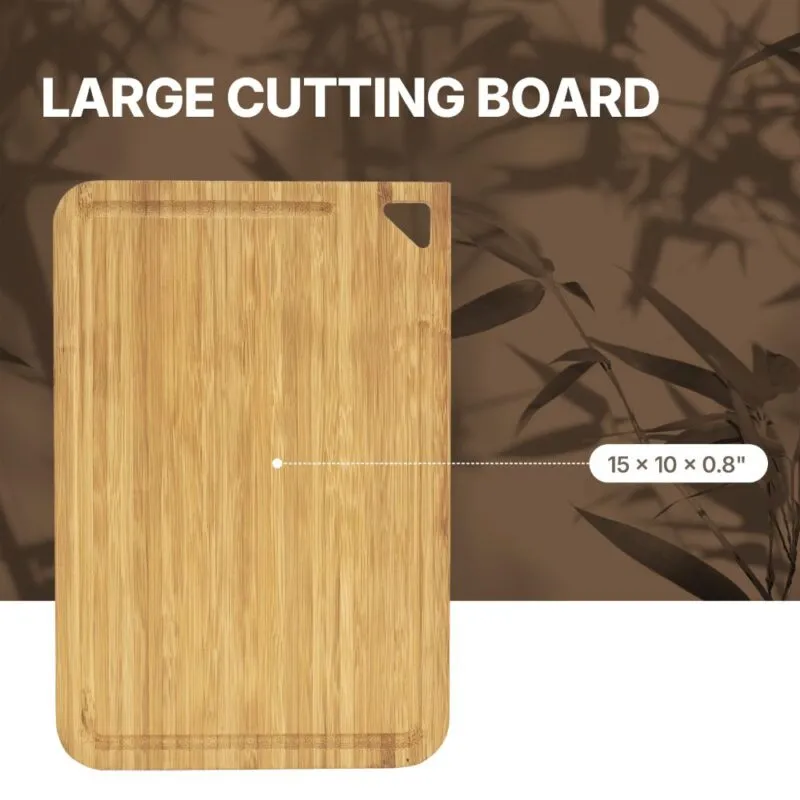
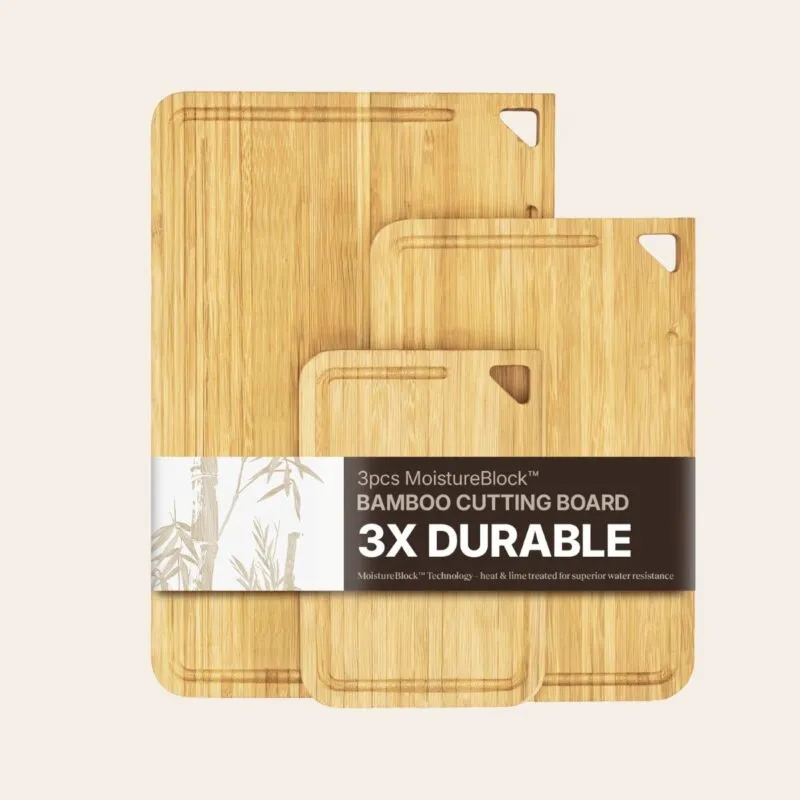
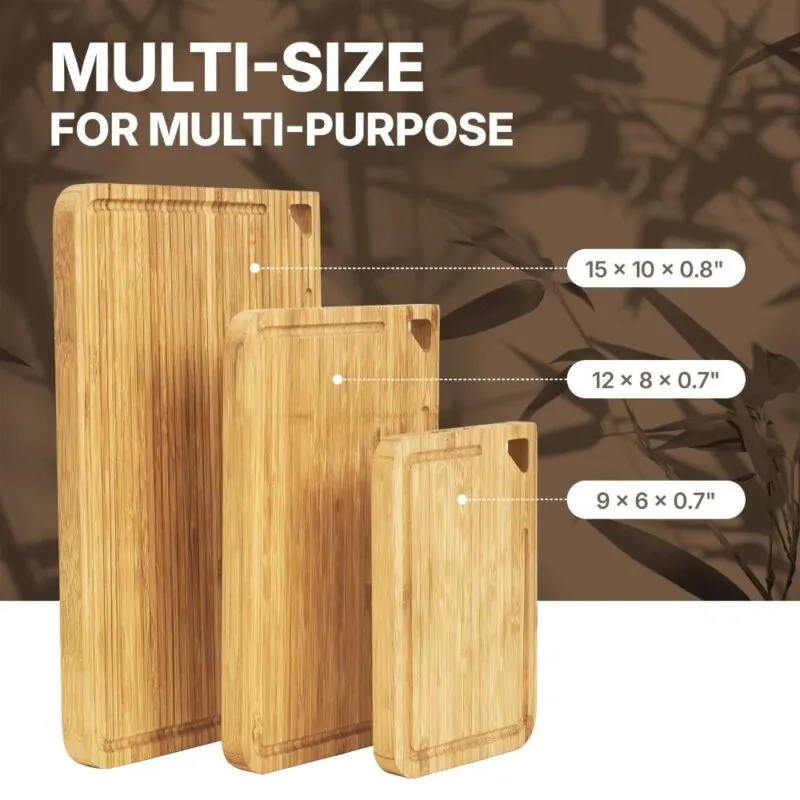
Board construction method matters as much as wood species. Edge-grain boards orient wood strips on their edges, creating attractive patterns and good performance. End-grain boards stand wood fibers vertically, allowing knife blades to slip between fibers rather than cutting across them. This “self-healing” property extends both board and knife life, though end-grain construction costs 50-100% more than edge-grain equivalents. Face-grain represents the least expensive construction but wears the fastest.
Choose hardwoods like maple or walnut for daily use, teak for low maintenance, beech for value, and bamboo for sustainability. Pine remains best only for decorative or light-duty roles.
Read more: Best Wood for Cutting Boards: Which Wood is Right for You?
Final Recommendation
Pine boards suit decorative or light-use purposes, not serious cooking. Studies on hardness and bacterial growth confirm that pine’s soft texture and high porosity make it unsafe and short-lived for daily food prep, especially with raw meat.
Use pine only when appearance or cost outweigh performance—such as in temporary kitchens, rentals, or as bread/serving boards with minimal knife contact.
For regular cooking, hardwoods are far superior:
- Maple: best overall for durability and hygiene.
- Walnut: adds elegance with solid performance.
- Beech: affordable yet reliable choice.
The price gap between pine and hardwood (about $30–50) equals a few restaurant meals, but over ten years it buys safer food handling, longer board life, and better knife care.
In short, Pine works for display or light slicing only. For everyday use, invest in maple, walnut, or beech – a small extra cost for years of safety, performance, and value.