When it comes to cutting boards, walnut is often praised for its rich color and refined texture. But looks alone don’t make a great board. The real question is: does walnut perform as beautifully as it looks? From durability and hygiene to knife care and maintenance, let’s take a clear, expert look at whether walnut truly earns its reputation as one of the best woods for cutting boards.

Is Walnut Good for Cutting Boards?
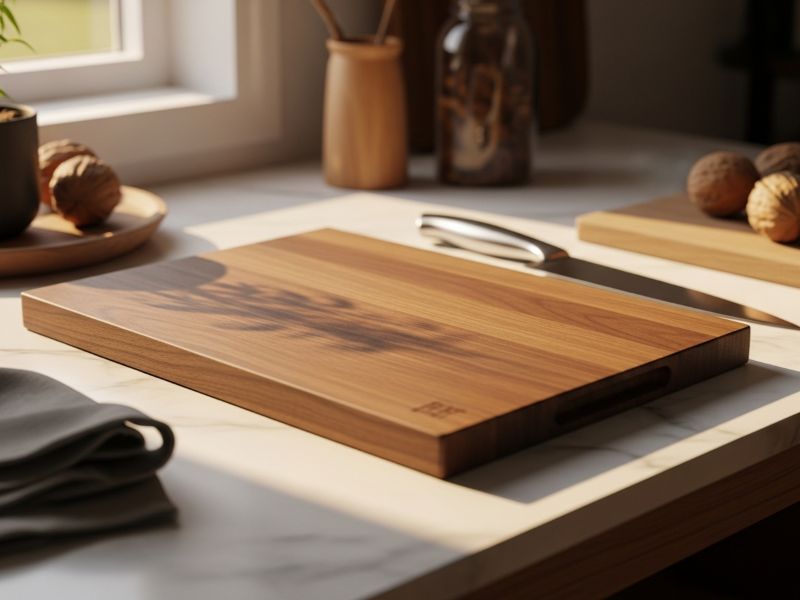
Yes, walnut is one of the best woods for cutting boards thanks to its ideal balance of durability, knife-friendliness, and timeless appeal. As a premium hardwood, it offers just the right hardness – strong enough to handle daily chopping yet gentle enough to protect your knife edges. This balance makes walnut a reliable and enjoyable surface for everyday cooking in any kitchen style.
Walnut’s fine, closed grain helps resist moisture and bacteria, keeping the board cleaner and more hygienic over time. It is naturally food-safe and contains no toxic oils, making it a trusted choice for long-term use. With its rich dark tone and smooth texture, walnut adds both practicality and warmth, offering a perfect blend of performance and beauty for home cooks and professionals alike.

Read more: Walnut and Maple Cutting Board – Which Is Better for Your Kitchen?
Advantages and Disadvantages of Walnut Cutting Boards
Advantages
- Balanced hardness for optimal performance: With a Janka rating of around 1,010 lbf, walnut sits in the perfect range for cutting boards. It’s durable enough for daily chopping and slicing without being so hard that it dulls knife edges. The surface feels comfortable and quiet under the blade, avoiding the harsh clack sound of harder materials like bamboo or glass.
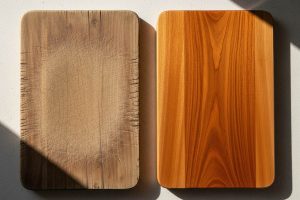
- Closed grain for better hygiene: The tight, closed grain structure naturally limits water absorption and bacterial growth. In my experience working with various wood species, walnut’s grain density is one of its strongest attributes. It’s easier to clean and maintain than open-pored woods like oak, and when properly oiled, it resists warping and cracking even after years of use.
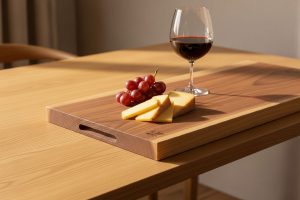
- Luxurious color and refined grain: Walnut’s deep brown to purplish-black tones bring both function and beauty. The elegant grain conceals minor knife marks and stains better than lighter woods, making it suitable for dual use as both a cutting surface and a serving board for cheese, fruit, or charcuterie.
- Lightweight yet stable: Walnut is lighter than dense hardwoods like maple or teak, making it easier to handle, lift, and wash after use. It still offers reliable stability on the counter without the excessive weight that can make maintenance difficult.
- A well-rounded choice for everyday kitchens: Combining durability, hygiene, and aesthetics, walnut isn’t just beautiful—it performs exceptionally well in real kitchen use. For home cooks seeking a board that will last for years while maintaining its elegance, walnut is a smart long-term investment.
Read more: Teak vs Walnut Cutting Boards: Which One Should You Choose?
Disadvantages of Walnut Cutting Boards
- Softer than maple or other dense hardwoods: With a moderate hardness of around 1,010 lbf, walnut can show shallow knife marks more easily than harder alternatives. These scratches are mostly cosmetic and can add character, but occasional light sanding may be needed to restore smoothness.
- Not ideal for heavy-duty chopping: Repeated impacts from cleavers or large knives can compress the grain faster than woods like maple or oak. Walnut performs best for slicing, dicing, and general prep work rather than heavy butchering or bone-cutting tasks.
- Higher price due to its premium status: Walnut typically costs 20–40% more than maple or beech boards of similar quality. The added expense reflects both its aesthetic appeal and the relative scarcity of high-grade walnut lumber, which may not suit budget-conscious users.
- Dark color hides residue and moisture: While its rich tone conceals wear beautifully, it can make leftover food particles or oils harder to see during cleaning. This requires careful inspection and thorough washing to maintain hygiene.
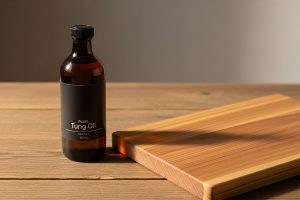
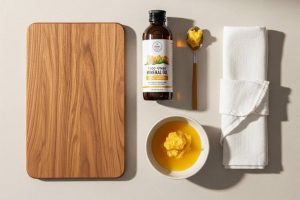
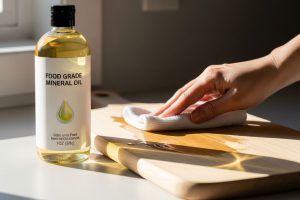
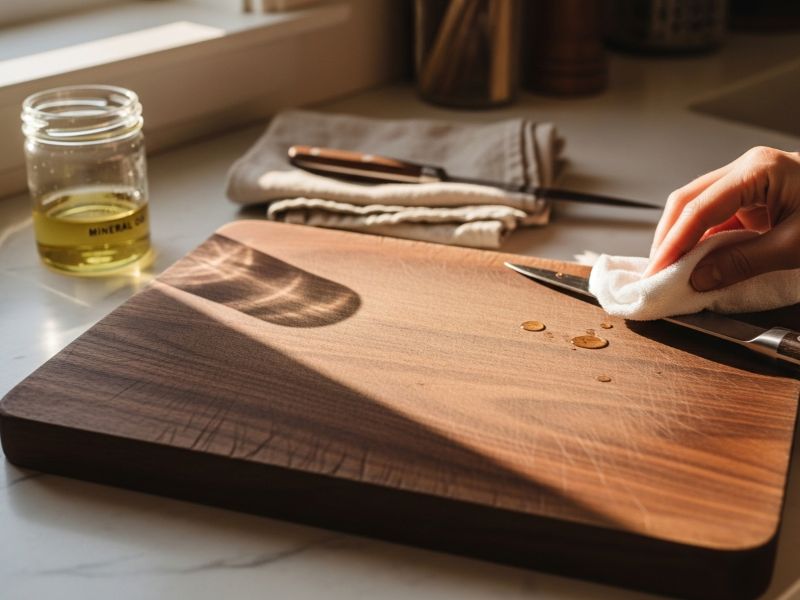
- Regular maintenance is essential: Walnut needs consistent oiling to preserve its deep color and moisture resistance. Without monthly conditioning using food-grade mineral oil or board cream, the surface can dry out, dull, or lose its protective finish faster than naturally oily woods like teak.

End Grain vs Edge Grain Walnut Cutting Boards
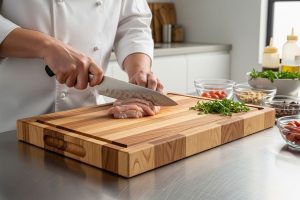
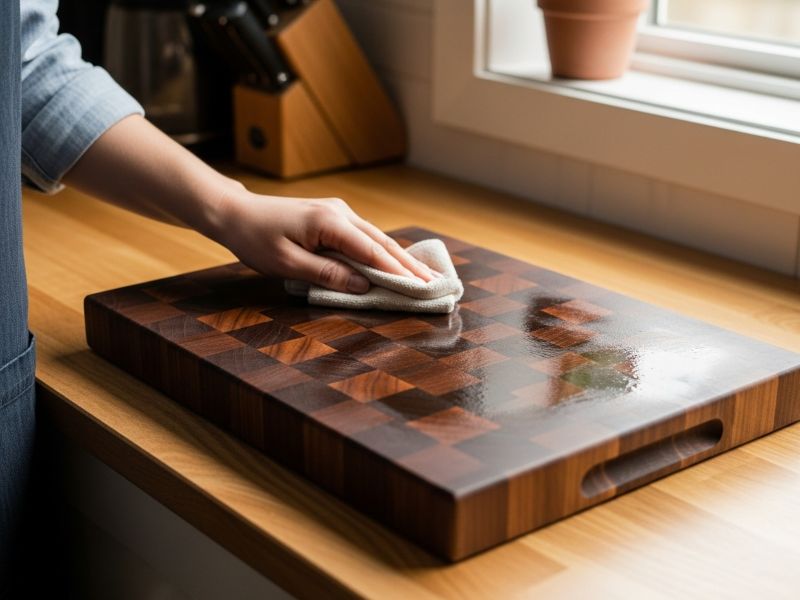
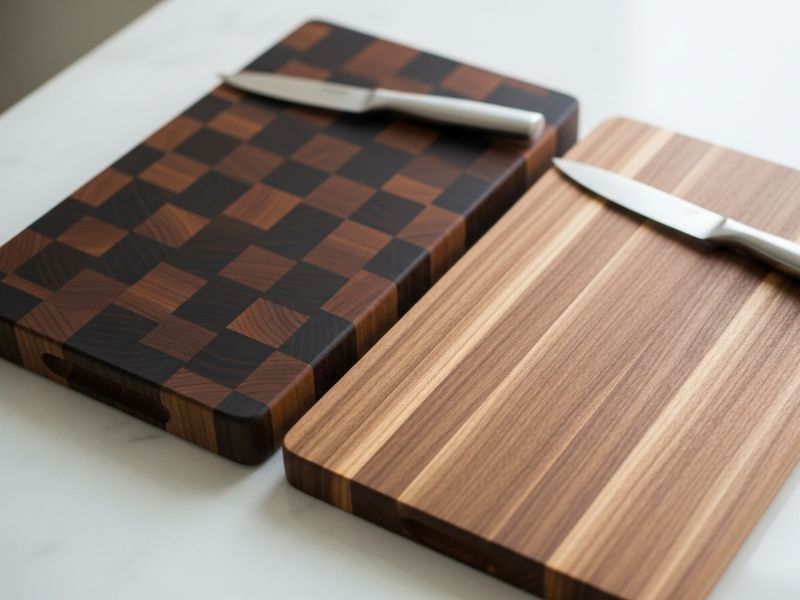
End grain walnut boards: Known for their distinctive checkerboard pattern, these boards highlight walnut’s natural beauty while offering superior functionality. The vertical fiber orientation lets knife blades glide between the fibers rather than cutting across them, making the surface exceptionally knife-friendly and naturally self-healing over time.
The superior durability and moisture resistance of end grain construction make these boards ideal for frequent cooks or professionals who demand top-tier performance. However, the complex construction process means they typically cost significantly more than edge grain alternatives.
Edge grain walnut boards: Made from long strips of walnut joined side by side, these boards show clean linear grain patterns and require less upkeep than end grain options. They’re slightly firmer on knives but still gentler than maple or oak. Lightweight, affordable, and versatile, edge grain walnut boards are perfect for everyday cooking and serving.
These boards are more affordable, lighter, and easier to maintain, making them ideal for everyday home cooking and presentation use. The simpler construction doesn’t compromise on beauty or functionality for most home cooks.
Best Uses for Walnut Boards
Ideal for Everyday Cooking
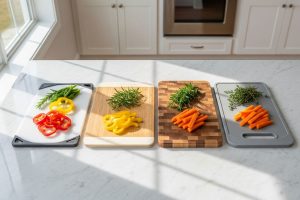
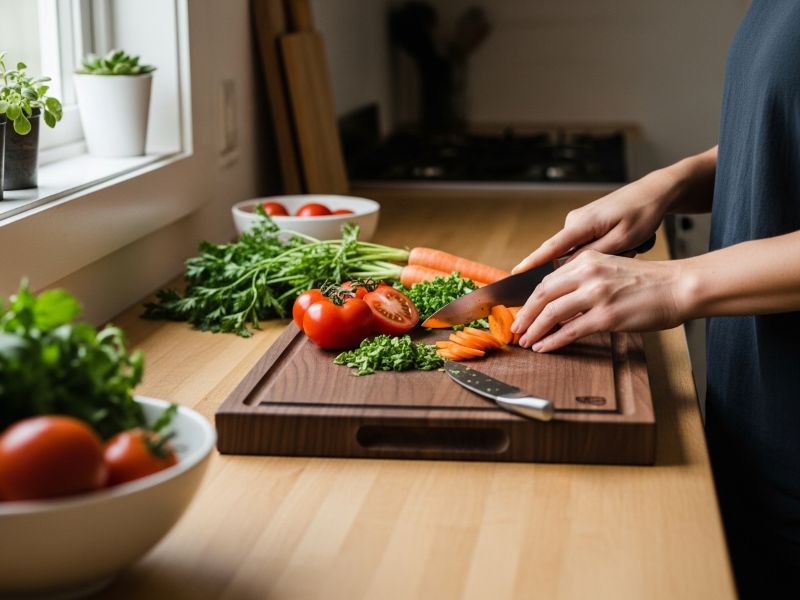
Walnut performs excellently for daily food prep tasks. From slicing vegetables and fruits to cutting bread, herbs, and cooked meats, the balanced hardness offers a smooth cutting experience while protecting your knives. The quiet, comfortable surface makes it ideal for home cooks who prepare meals frequently.
Perfect for Serving and Presentation
The rich color and fine grain make walnut an elegant choice for entertaining. Whether you’re presenting cheese, charcuterie, or desserts, walnut boards transition seamlessly from prep to table. This dual functionality enhances kitchen aesthetics while fitting both modern and rustic interior styles.

Match the Board Type to Your Usage
Choose based on your cooking frequency and preferences. End grain walnut boards work best for serious cooks who need durability and knife-friendliness for daily use and heavier tasks. Edge grain walnut boards suit casual cooks who value a lighter, easier-to-clean option for everyday prep. Both types perform beautifully when properly maintained.
Use for Dry or Low-Moisture Tasks
Walnut excels with dry or cooked foods. It’s perfect for vegetables, cheese, bread, and fruit preparation. To preserve the board’s natural color and prevent swelling or odor retention, avoid cutting raw meat directly on walnut and always wipe the surface dry immediately after washing.
For Those Who Appreciate Craft and Longevity
Walnut boards reward careful owners with years of service. Regular oiling not only maintains the board but enhances both its color and durability over time. The surface develops a rich patina that tells the story of your kitchen, perfect for cooks who value natural materials that age gracefully.
When to Consider Other Woods
Different woods suit different needs. For heavy cleaver work or commercial kitchens, maple or end-grain oak provide superior impact resistance. If you want maximum water resistance with minimal maintenance, teak offers an alternative. But for the ideal balance of warmth, beauty, and performance, walnut remains the most versatile premium choice.
| Wood Type | Hardness (Janka) | Key Strengths | Drawbacks | Best For |
|---|---|---|---|---|
| Walnut | ~1,010 lbf | Balanced durability and knife-friendliness. Rich dark tone, ages beautifully. | Requires regular oiling; premium price. | Everyday home cooks who value aesthetics and performance. |
| Maple (Hard Maple) | ~1,450 lbf | Excellent hygiene; used in professional kitchens. Very durable. | Harder on knives; heavier. | Professional or high-volume prep work. |
| Teak | ~1,070 lbf | Naturally oily; highly water-resistant; low maintenance. | Can dull knives faster due to silica; expensive. | Humid climates or users who want minimal upkeep. |
| Acacia | ~1,500 lbf (varies) | Affordable, attractive grain, good hardness. | Slightly more porous; quality varies by source. | Budget-conscious users who still want hardwood quality. |
Read more: Acacia vs Walnut Cutting Board – Which One Fits Your Kitchen Needs?
Final Recommendation
Yes, walnut is one of the best woods for cutting boards. It delivers an exceptional balance of durability, knife-friendliness, and timeless beauty – strong enough for daily prep yet gentle on your blades. Its closed grain keeps moisture and bacteria at bay, while the rich dark tone brings warmth and sophistication to any kitchen.
Though it costs more and needs regular oiling, the payoff is long-term reliability and lasting elegance. For home cooks who value quality and craftsmanship, walnut offers a cutting board that performs beautifully, feels great to use, and looks even better with age.