When choosing a cutting surface, walnut and maple cutting boards lead the way. This guide highlights their pros, cons, and key differences so you can pick the board that matches your cooking habits and kitchen style.
Walnut Cutting Board Pros and Cons
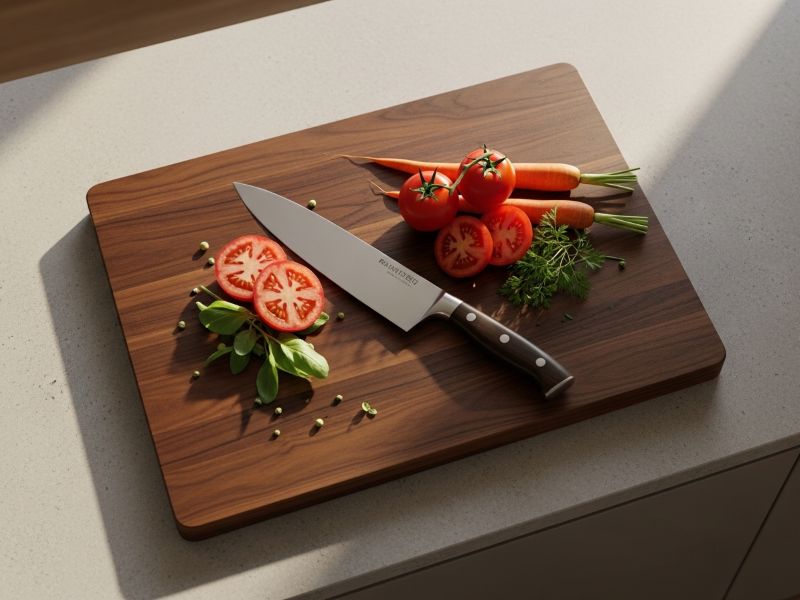
Walnut cutting boards are popular with chefs and home cooks for their knife-friendly surface and rich look. This premium wood offers standout benefits but also requires proper care and maintenance over time.
Pros
Walnut cutting boards deliver exceptional advantages that make them a preferred choice for knife-conscious cooks:
- Superior knife preservation: Walnut’s Janka hardness rating of 1010 creates an optimal balance between surface durability and blade protection. This moderate density allows knife edges to penetrate slightly into the wood fibers rather than deflecting, reducing microscopic chipping and maintaining sharpness longer than harder surfaces.
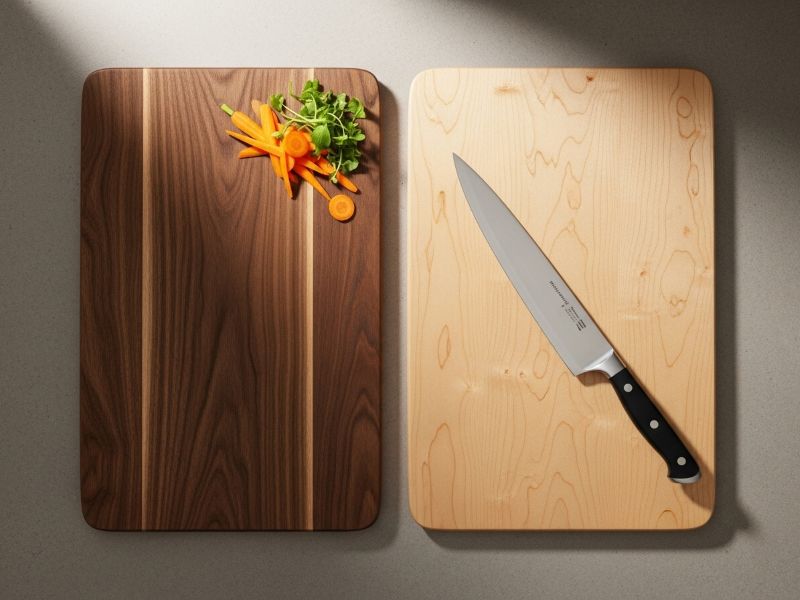
- Rich aesthetic appeal: The deep chocolate brown heartwood with contrasting lighter sapwood creates distinctive grain patterns that enhance any kitchen design. These natural color variations develop character over time, making each board unique while complementing both traditional and modern kitchen styles.
- Excellent refinishing properties: The wood’s consistent grain structure and moderate density make sanding and refinishing straightforward. Surface scratches and minor damage can be easily removed with progressive grits, allowing boards to maintain their appearance and functionality for decades with proper care.
- Natural antimicrobial properties: Research indicates walnut contains compounds like juglone that provide inherent antibacterial benefits, though these effects diminish with regular washing and oiling. This natural protection supplements proper cleaning protocols rather than replacing them.
- Self-healing characteristics: The wood’s cellular structure allows minor knife cuts to close naturally over time, particularly when the board undergoes humidity changes. This property helps maintain a smoother cutting surface compared to harder woods that retain permanent scoring.
Read more: Teak vs Walnut Cutting Boards: Which One Should You Choose?
Cons
Despite its advantages, walnut cutting boards present several challenges that affect their suitability for all users:
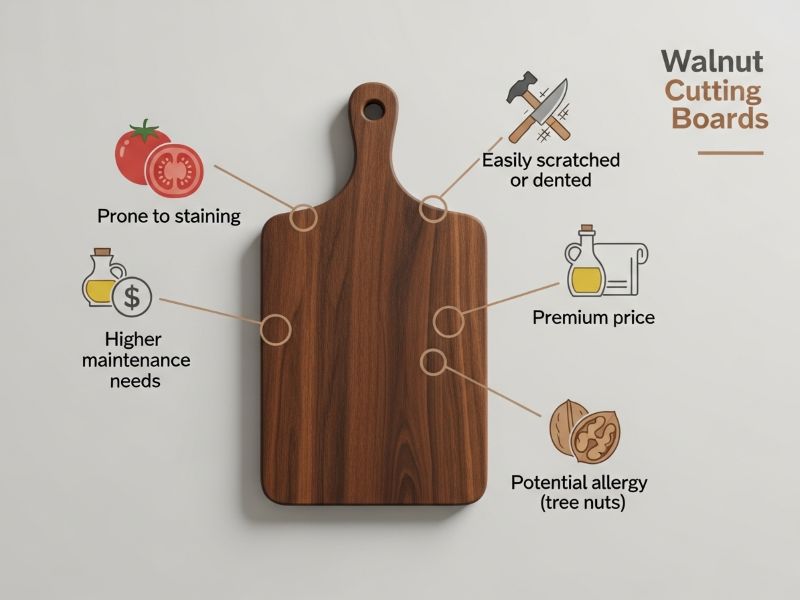
- Increased susceptibility to damage: The softer wood density makes walnut prone to denting from heavy cleavers, dropped items, or aggressive chopping techniques. Deep gouges require professional refinishing or replacement, making careful handling essential for longevity.
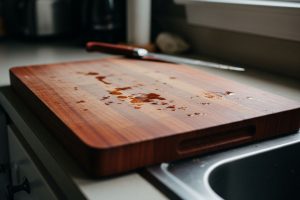
- Staining vulnerability: Acidic ingredients like tomatoes, citrus, and vinegar-based marinades can cause permanent discoloration in walnut’s open grain structure. These stains penetrate deeper than surface-level marks and often resist standard cleaning methods.
- Premium pricing: Quality walnut boards typically cost 40-60% more than comparable maple alternatives due to the wood’s slower growth rate and higher market demand. This investment requires commitment to proper maintenance to justify the expense.
- Allergy considerations: Walnut dust and oils can trigger allergic reactions in sensitive individuals, particularly those with tree nut allergies. While reactions to finished boards are rare, initial setup and refinishing require precautions for affected users.
- Higher maintenance demands: The wood requires more frequent oiling than harder alternatives to prevent cracking and maintain water resistance. Neglected walnut boards can develop splits, warping, or bacterial harboring conditions that compromise food safety.
Read more: Acacia vs Walnut Cutting Board – Which One Fits Your Kitchen Needs?
Maple Cutting Board Pros and Cons
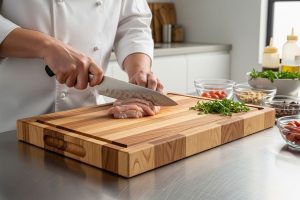
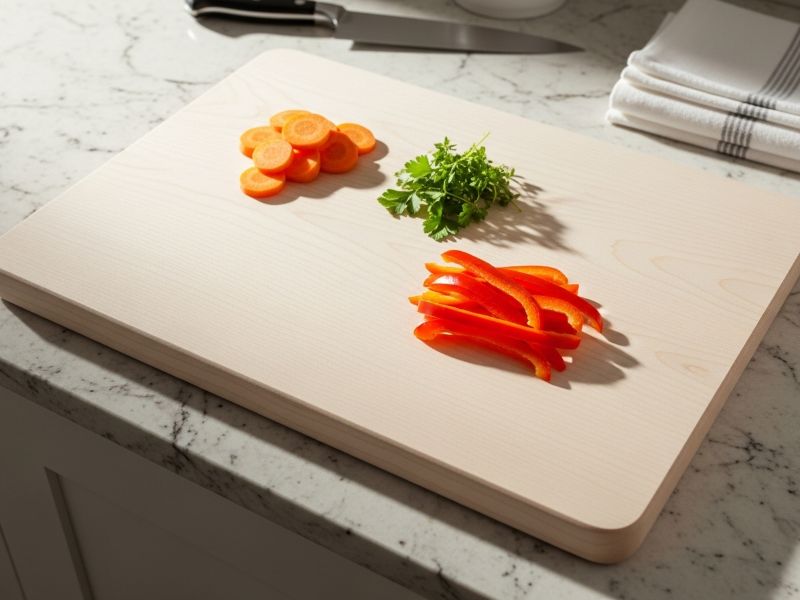
Maple cutting boards are the gold standard in professional kitchens. Known for durability and hygiene, this hardwood has proven reliable for serious cooking over decades.
Pros
Maple cutting boards provide fundamental benefits that explain their widespread adoption across culinary environments:
- Exceptional durability: With a Janka hardness rating of 1450, hard maple delivers outstanding resistance to wear, denting, and structural damage. This density enables boards to withstand heavy-duty use, aggressive chopping, and dropped cookware while maintaining their functional integrity for years.
- Superior hygiene standards: Maple’s tight, closed grain structure minimizes porosity and prevents bacteria from penetrating deep into the wood. This characteristic, combined with the wood’s natural antimicrobial properties, makes sanitization more effective and reduces cross-contamination risks during food preparation.
- Cost-effective value: Maple’s abundant availability and efficient harvesting practices keep prices reasonable compared to exotic hardwoods. Quality maple boards offer professional-grade performance at accessible price points, making them ideal for budget-conscious cooks who refuse to compromise on functionality.
- Classic appearance: The wood’s light cream color with subtle grain patterns provides a clean, professional aesthetic that complements any kitchen design. This neutral backdrop showcases food presentation effectively while maintaining a timeless appearance that won’t clash with changing décor trends.
- Proven track record: Decades of use in commercial kitchens, butcher shops, and professional culinary schools demonstrate maple’s reliability under demanding conditions. This established performance history reduces uncertainty when investing in kitchen equipment.
Read more: Maple vs Teak Cutting Boards: The Ultimate Comparison Guide
Cons
Maple cutting boards also present limitations that affect user experience and long-term satisfaction:
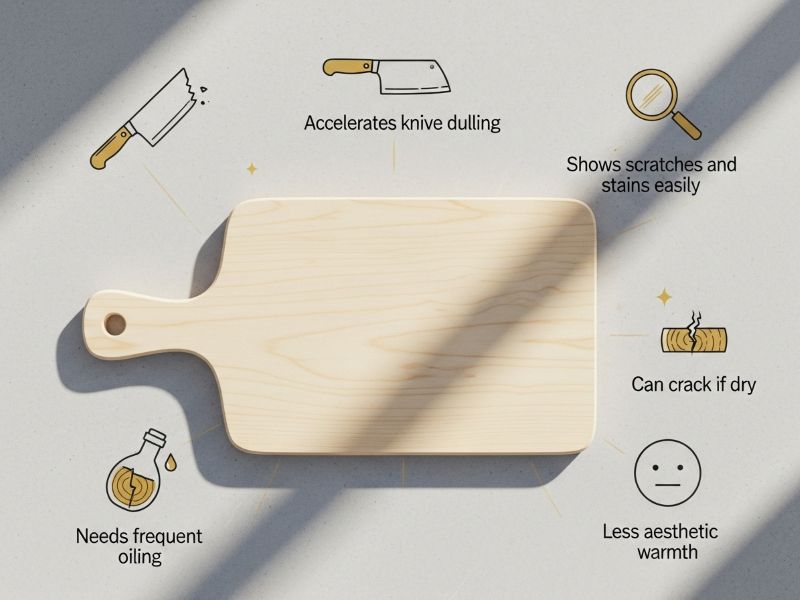
- Increased knife wear: The wood’s hardness can accelerate knife dulling, particularly with frequent use or poor cutting technique. Professional chefs often accept this trade-off for durability, but home cooks may find themselves sharpening knives more frequently than desired.
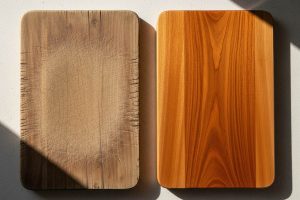
- Visible wear patterns: Light-colored maple shows scratches, stains, and discoloration more readily than darker woods. While these marks don’t affect functionality, they can make boards appear worn or unsanitary even when properly maintained and sanitized.
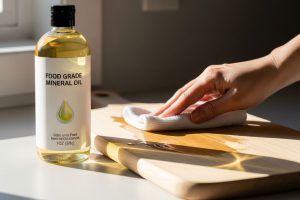
- Intensive maintenance requirements: The tight grain requires consistent oiling to prevent moisture loss and cracking. Dry maple boards can develop splits that harbor bacteria and compromise structural integrity, demanding regular attention to conditioning schedules.
- Limited aesthetic warmth: Some users find maple’s clinical appearance less inviting than richly colored alternatives. The wood lacks the visual character and warmth that darker species provide, potentially making it feel utilitarian rather than attractive.
Read more: Acacia vs Maple Cutting Board: Which One Should You Choose?
Walnut and Maple Cutting Board – Which Is Better?
Choosing between walnut and maple cutting boards means comparing durability, knife care, and maintenance. Expert tests and real user insights reveal which performs better in daily kitchen use.
Side-by-Side Comparison
| Criteria | Maple | Walnut |
|---|---|---|
| Durability | Excellent (Janka 1450) | Good (Janka 1010) |
| Knife Friendliness | Moderate | Excellent |
| Aesthetics | Clean/Professional | Rich/Luxurious |
| Price Range | $40-120 | $60-180 |
| Maintenance | Moderate | High |
| Stain Resistance | Good | Fair |
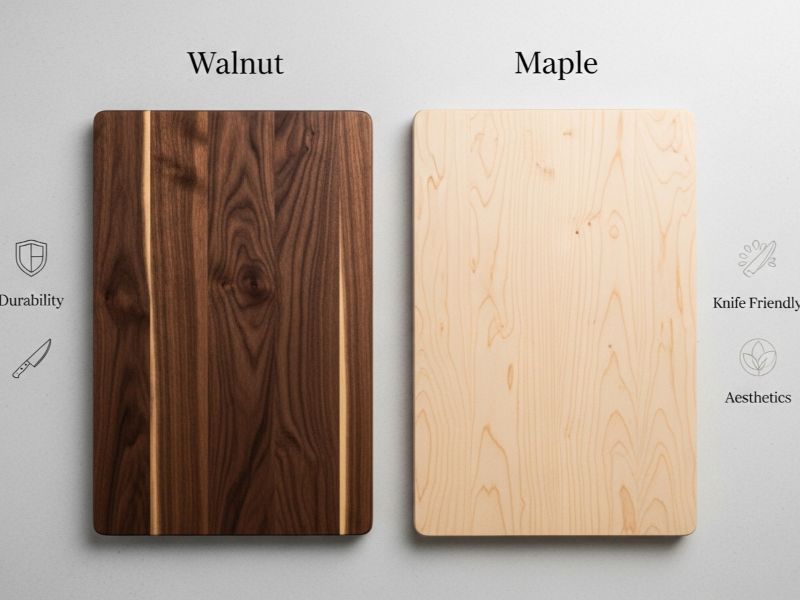
The comparison reveals that neither wood achieves perfect scores across all categories, explaining why many experienced cooks eventually own multiple boards for different purposes. Maple excels in durability and hygiene applications, making it ideal for daily meal preparation and heavy-duty tasks. Walnut prioritizes knife care and visual appeal, serving better for precision work and presentation purposes.
Hybrid boards combining both woods offer compelling compromises by positioning walnut strips for delicate cutting tasks alongside maple sections for heavy-duty work. These designs allow users to select the appropriate surface based on the specific task, though they command premium pricing and require understanding each wood’s maintenance needs.
Long-Term Use and Safety
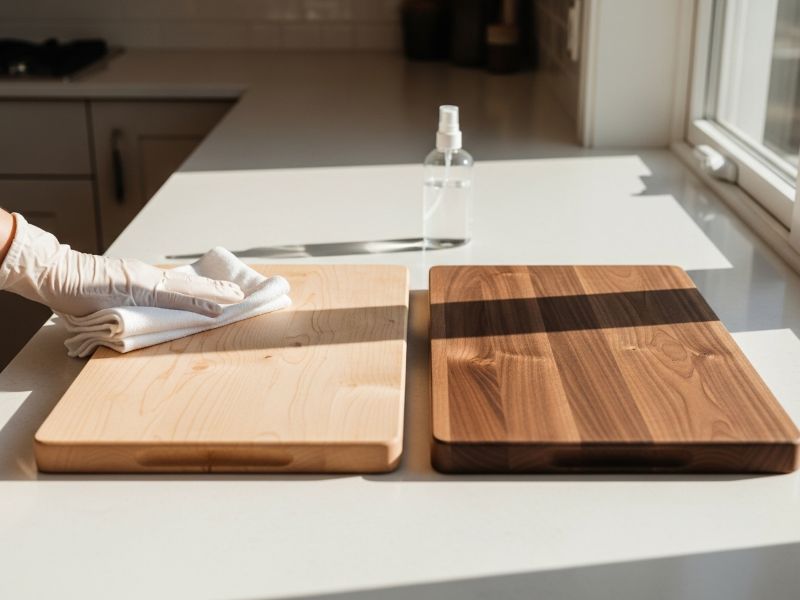
Food safety considerations play a crucial role in cutting board selection, particularly for households preparing meals for children or immunocompromised individuals. Scientific testing reveals important differences in bacterial resistance and long-term hygienic performance.
| Safety Factor | Maple Performance | Walnut Performance |
|---|---|---|
| Bacterial Penetration | Low (closed grain) | Moderate (open grain) |
| Sanitization Effectiveness | High | Moderate |
| Cross-contamination Risk | Low | Moderate |
| Allergen Concerns | Minimal | Potential (tree nuts) |
Research conducted by food safety laboratories demonstrates that both woods exhibit natural antimicrobial properties, though these effects vary based on moisture content, surface condition, and cleaning protocols. Properly maintained boards of either species achieve adequate safety standards when users follow established food handling practices.
Thickness recommendations impact both safety and longevity, with 1.5-2 inch boards providing optimal stability and durability for most applications. Thinner boards may warp or crack under stress, creating crevices that harbor bacteria and compromise food safety. Quality construction with proper edge-grain orientation ensures maximum performance regardless of wood species selection.
Choosing the Right Board for Your Needs
Different cooking styles and kitchen requirements favor specific wood characteristics, making targeted selection more effective than universal recommendations:
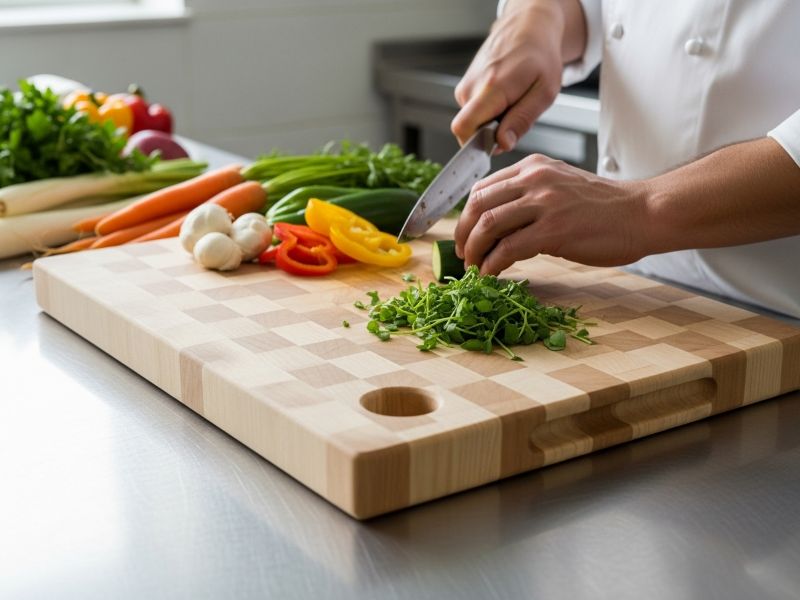
- Professional chefs and serious enthusiasts: End-grain maple boards provide maximum durability for high-volume preparation while protecting expensive knife collections. The investment in quality construction pays dividends through extended service life and consistent performance.
- Home cooks prioritizing aesthetics: Walnut boards offer visual appeal that enhances kitchen design while providing adequate functionality for typical household cooking volumes. The premium appearance justifies higher costs for users who value presentation alongside performance.
- Budget-conscious buyers: Edge-grain maple delivers professional performance at accessible prices, making it ideal for establishing quality cutting surfaces without major investment. Focus on reputable manufacturers offering solid construction rather than premium wood species.
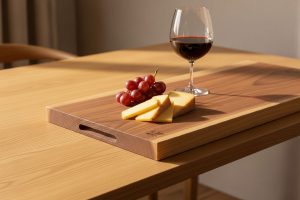
- Presentation and entertaining: Walnut’s rich appearance makes it excellent for cheese boards, charcuterie presentation, and tableside carving. The wood’s natural beauty enhances food presentation while providing functional cutting capabilities.
- Knife collectors and precision work: Walnut’s knife-friendly properties make it preferred for maintaining expensive blade collections and performing delicate tasks like fish filleting or vegetable brunoise where edge retention matters most.
Buyer’s Guide
Quality construction significantly impacts performance regardless of wood species, making informed purchasing decisions essential for long-term satisfaction. Professional-grade boards share specific characteristics that distinguish them from mass-market alternatives.
Essential Quality Indicators:
- Minimum 1.5-inch thickness for stability and longevity
- End-grain or edge-grain construction (avoid face-grain)
- Tight joint lines with consistent wood color matching
- Food-safe finish free from harmful chemicals or solvents
- Rubber feet or hand grips for secure handling
| Construction Type | Craftsmanship Quality | Factory Production |
|---|---|---|
| Joint Quality | Invisible seams | Visible gaps |
| Wood Selection | Matched grain/color | Random pieces |
| Finish Quality | Hand-sanded smooth | Machine marks visible |
| Price Range | $80-250+ | $30-80 |
| Warranty | Often included | Limited/none |
Red flags indicating poor quality include visible glue lines, uneven surfaces, strong chemical odors, and prices significantly below market averages. Reputable manufacturers provide detailed specifications, care instructions, and customer support that mass producers typically omit.
Final Thoughts – Walnut vs Maple, or Both?
The choice between walnut and maple cutting boards ultimately depends on your specific priorities, cooking habits, and kitchen requirements. Maple provides proven durability, hygiene, and value that make it ideal for daily meal preparation and high-volume cooking tasks. Its professional appearance and reliable performance explain why it dominates commercial kitchens and culinary schools worldwide.
Walnut offers superior knife care, aesthetic appeal, and specialized performance that justify premium pricing for users who prioritize these characteristics. The wood’s forgiving nature and rich appearance create a more luxurious cooking experience, though maintenance demands and higher costs require commitment to proper care protocols.
Many experienced cooks find the optimal solution involves owning both types: a large maple board for everyday preparation tasks and a smaller walnut board for precision work, presentation, and knife-sensitive applications. This approach maximizes each wood’s strengths while minimizing individual weaknesses.
Consider starting with a quality maple board to establish reliable cutting capabilities, then adding walnut boards as specific needs or aesthetic preferences develop. This progression allows you to experience both materials’ characteristics while building a comprehensive cutting board collection tailored to your evolving culinary interests and kitchen requirements.