Imagine unlocking the hidden potential of natural materials, making them stronger, more durable, and resistant to the challenges of everyday life – all without harsh chemicals.
No, this is not science fiction. It’s the power of thermal modification technology!
At Koppen, we harness this innovative process to transform sustainable bamboo and wood into premium kitchenware that’s built to last and kind to the planet.
Join us as we explore this fascinating technology and why it’s changing the game for eco-friendly products.
Understanding Modified Wood Technology: What It Is and Why It Matters
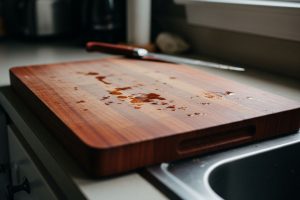
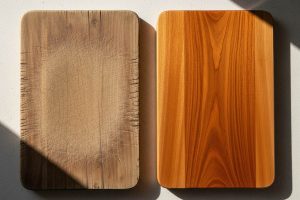
Many of us love the natural, rustic charm of wooden and bamboo kitchenware – from cutting boards and trays to salad bowls. But after just a few uses, we often have to throw them away because they warp, crack, or grow mold when exposed to moisture or fluctuating temperatures
So the question is: how can we preserve that natural beauty while making these products more durable, long-lasting, and safe for everyday use? The answer lies in modified wood and bamboo technology – a modern solution that enhances natural materials, overcomes their weaknesses, and transforms them into high-performance, sustainable kitchen essentials.
Definition and Process Overview
At its core, thermal modification of wood or bamboo is a natural process that uses controlled heat to enhance the material’s built-in strengths. We gently “bake” the bamboo or wood at high temperatures (typically around 180–220°C) in a carefully controlled, low-oxygen, or steam-rich environment. This heat fundamentally changes the material’s internal makeup.
Think of it like a controlled cooking process for the wood. By altering its natural chemistry, the bamboo becomes far less attractive to moisture and pests. The result? A remarkably improved material that is significantly more stable (so it won’t warp or shrink easily), much more durable (stronger and longer-lasting), and has increased natural resistance against things like rot and mold.
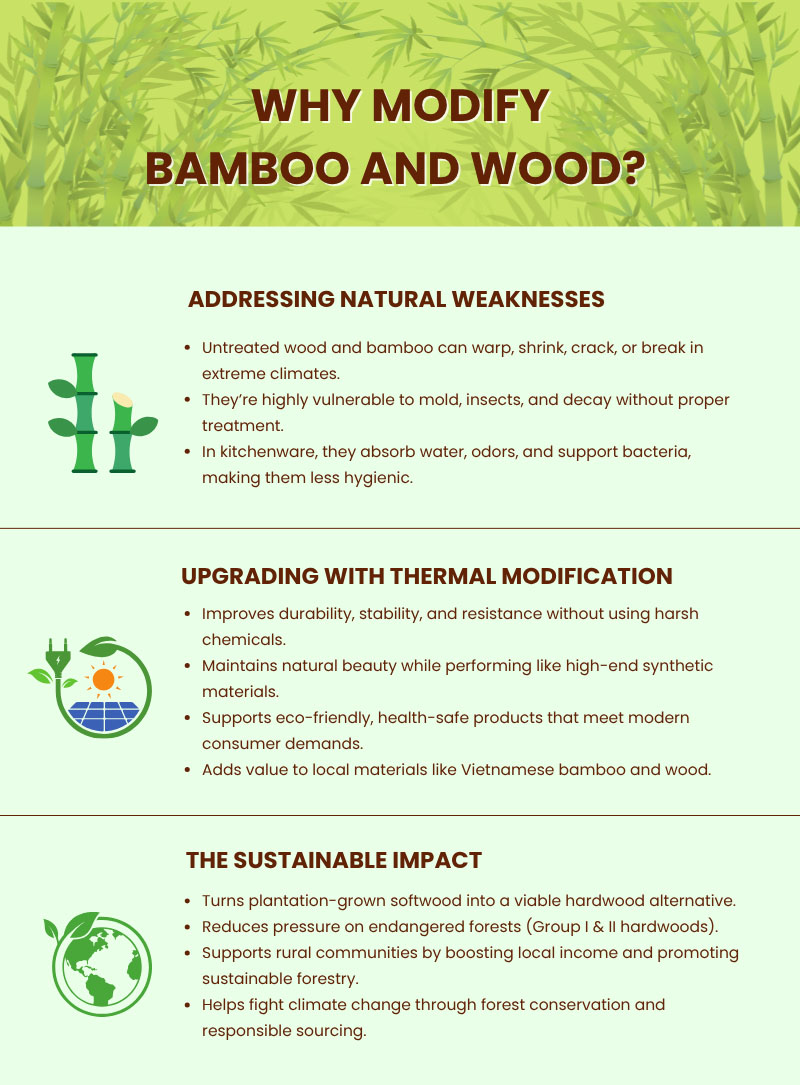
Why Modify Bamboo and Wood? Addressing Natural Weaknesses
Given the scientific benefits, the question becomes: Why is it so important to modify bamboo and wood in the first place?
The answer lies in addressing the inherent limitations of these beautiful natural materials and unlocking their full potential for modern applications.
Common Modification Methods for Bamboo and Wood
While the core idea is using heat, there are different ways to modify bamboo and wood, each with its own process and benefits.
A Quick Recap of Common Modification Methods
In terms of the output
|
Criteria |
Hydrothermal Modified Wood (PlatoWood) |
Thermally Modified Wood (ThermoWood) |
Conventional Kiln-Dried Wood |
|
Definition |
This advanced method adds moisture, steam, and sometimes pressure or nano additives (like nano-calcium) to the thermal process. |
Heats wood or bamboo (160–240°C) in low-oxygen to improve hardness, stability, and rot resistance. |
Basic drying using heat and airflow to reduce moisture |
|
Treatment Steps |
3 steps |
2 steps |
1 step (Kiln drying) |
|
Moisture Resistance |
Excellent |
Good |
Poor (Easily absorbs moisture, swells and warps) |
|
Insect & Mold Resistance |
Very high (Over 80% resistance without chemicals) |
Moderate (Some resistance, but still vulnerable in humid environments) |
Low (Prone to termites and fungal growth) |
|
Dimensional Stability |
Very high (Minimal expansion or contraction) |
High (Relatively stable under temperature changes) |
Low (Often deforms under temperature and humidity fluctuations) |
|
Color & Surface |
Smooth, rich tone, consistent coloration |
Darkened naturally, may appear uneven |
Natural look, but prone to surface defects |
|
Mechanical Strength |
Maintained (Structure strengthened by hydrothermal stabilization) |
Reduced (Heat may degrade internal strength) |
Maintained or slightly reduced depending on drying |
|
Chemical Usage |
None (100% natural, food-safe) |
None (Natural process but may emit VOCs in early stages) |
Often treated with preservatives, glues, or resins |
|
Lifespan |
20–25 years (even in high-humidity environments) |
10–15 years (best in dry indoor environments) |
3–7 years depending on care and use |
|
Common Applications |
High-end kitchenware, exterior cladding, decking, furniture, bathroom interiors |
Indoor furniture, flooring, wall paneling |
General carpentry, low-end furniture, temporary structures |
|
Environmental Impact |
Low (Sustainable, recyclable, VOC-free) |
Low to moderate (No chemicals but energy-intensive) |
Moderate to high (Potential chemical residues and shorter lifespans lead to more waste) |
In terms of the modification process itself
|
Method |
Hydrothermal |
Thermal Modification |
Kiln Drying Only |
|
Raw Material |
Fresh bamboo/wood |
Kiln-dried bamboo/wood |
Fresh sawn bamboo/wood |
|
Processing Technique |
Steam + Nano Calcium (CaO) + high heat (160–190°C) in a 3–4 stage treatment process |
Direct heating at ~180–200°C (in a sealed or steam-rich environment) |
Standard drying process (reduced moisture to ~8–12%, no chemical treatment) |
|
Durability & Termite Resistance |
Superior (Highest durability, excellent dimensional stability) |
Good (Significantly improved durability) |
Low (No durability gain, prone to decay and pests) |
|
Typical Applications |
Outdoor applications under harsh conditions (decking, stairs, exterior cladding) |
Premium flooring and indoor furniture; outdoor use is possible with proper maintenance |
General indoor furniture, low-cost applications |
MoistureBlock™ Technology: The Koppen’s Approach
At Koppen, we utilize an advanced method that draws on the strengths of hydrothermal modification. Our MoistureBlock™ Technology process is how we take natural bamboo and give it extraordinary new abilities. It’s much like a special spa treatment for bamboo: We combine warm, saturated steam and even infuse it with tiny, natural nano-calcium particles, then gently expose it to precise high temperatures (around 180–220°C). This multi-stage process happens in carefully controlled environments, using pressure and vacuum.

What does this mean for you? It maximizes the bamboo’s natural strength, making it incredibly stable, significantly harder, and far more resistant to things like mold and pests. This results in a material that’s perfect for both your indoor kitchen and even outdoor eco-friendly products.
The Scientific Benefits of Thermal Modification
Beyond the technical process, the real magic of thermal modification lies in the tangible, scientific benefits it imparts to bamboo and wood.

While thermal modification offers incredible benefits, it’s important to acknowledge that, like any process, it requires expertise. If the treatment is not precisely controlled, particularly the temperature and duration, the material may become brittle and potentially lose up to 30% of its bending strength.
This highlights the critical importance of precise process control. This is something Koppen strictly enforces, ensuring that our thermal modification process enhances durability and stability without compromising the material’s inherent strength and resilience.
Koppen’s Edge: Pioneering Thermal Modification in Kitchenware
While thermal modification offers big advantages, Koppen pushes this innovation further. We specifically apply it to create premium kitchenware that truly stands out. Our goal is simple: perfect products for your home that meet the highest standards of durability, safety, and beauty.
Enhanced Processing for Unmatched Durability
Koppen’s approach means enhanced processing for unmatched durability. We use precision heat settings (180–220 °C for 1–5 hours), carefully chosen for each batch. This control helps us perfectly balance hardness, rich color, and long life for the material.
After heating, we use high-pressure vertical compression. This vital step makes the bamboo or wood fibers denser and stronger, dramatically improving resistance to bending or changing shape. It adds another layer of toughness to the material.
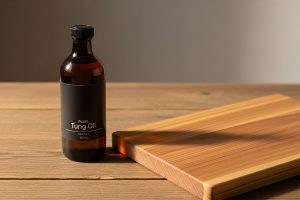
Safety is paramount. We use only safe adhesives and coatings – completely formaldehyde-free and BPA-free. The final touch is a natural food-grade oil, meeting FDA and EU safety standards, so our products are always safe for your food.

Many mass-produced alternatives often lack this strict control over heat, humidity, and time. This can lead to cracking, warping, and shorter lifespans. At Koppen, we prevent this with strict quality checks on every single batch, ensuring consistent reliability.
The Superiority of Koppen’s Modified Products
The result of our careful process is the superiority of Koppen’s modified bamboo and wood products. These are not just ordinary kitchen items; they are crafted for exceptional performance and longevity.
Our products are incredibly waterproof and warp-resistant, staying stable and looking new for years in your kitchen, no matter the temperature or humidity. They are also naturally mold-resistant, meaning no need for harmful preservatives. You can trust their Food-Safe Certification, as they comply with FDA standards and contain no formaldehyde or BPA, giving your family peace of mind.
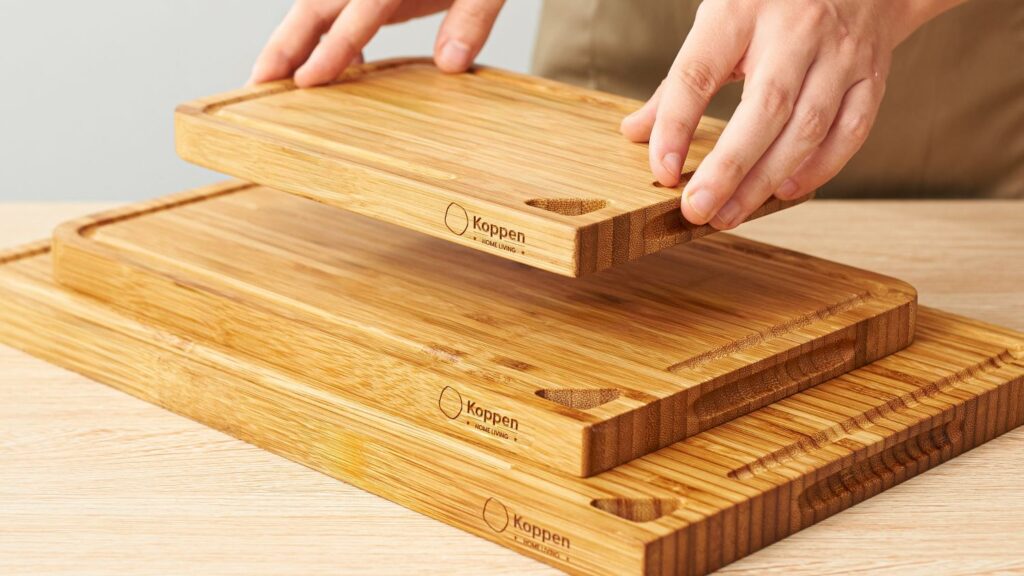
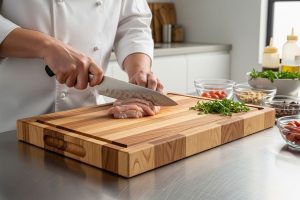
Aesthetically, they offer an elegant, natural appearance with rich, deep caramelized tones and beautiful wood grain – all achieved without any artificial dyes. The high density provides a premium, solid feel in your hand. For cutting boards, the surface is firm for chopping yet gentle on your knives. Plus, they are easy to clean and do not retain odors, keeping your kitchen fresh.
Finally, you get tangible, sustainable value. Made from renewable resources and processed with advanced, eco-conscious technology, choosing Koppen helps reduce your environmental impact. It’s a smart, one-time investment in a long-lasting product, saving you money while supporting a greener lifestyle.
Conclusion: Redefining Bamboo and Wood for the Modern Age
We’ve seen how thermal modification technology is a game-changer, transforming natural bamboo and wood into materials with enhanced durability, stability, and resistance. This technology doesn’t just overcome natural flaws like warping, shrinking, or pest damage; it truly elevates bamboo and wood to a new standard of durability, safety, and eco-consciousness.
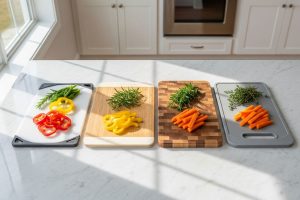
In a world where consumers increasingly prioritize health and sustainability, modified bamboo and wood are becoming the top choice for everyday essentials like cutting boards, serving trays, and salad bowls. They offer the best of both worlds: naturally beautiful, long-lasting, and safe for food contact.
At Koppen, we are dedicated to redefining everyday essentials. Every product we create is the result of advanced material science, refined craftsmanship, and a deep understanding of how modern users live and cook. It’s a statement of green living, precision, and timeless aesthetics that fits seamlessly into your life and values. It’s about bringing a piece of nature’s resilience, enhanced by human ingenuity, right into your home.
Frequently Asked Questions (FAQ)
Question #1. Is modified bamboo better than plastic or wood cutting boards?
Yes. Koppen’s thermally modified bamboo offers the natural beauty and sustainability of bamboo, combined with enhanced durability and hygiene. It’s a superior, eco-friendly alternative to plastic (which can leach chemicals) and untreated wood (which is less durable and hygienic).
Question #2. Does it contain glue or harmful coatings?
No. Koppen products are 100% glue-free, with no formaldehyde or chemical binders. The surface is treated only with food-grade natural oil for protection.
Question #3. Will it warp or crack over time?
Not easily. Thanks to thermal modification, Koppen products strongly resist warping, shrinking, or swelling in humid conditions and are much less likely to crack than untreated or cheap boards.
Question #4. How should I care for modified bamboo boards?
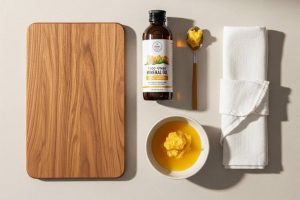
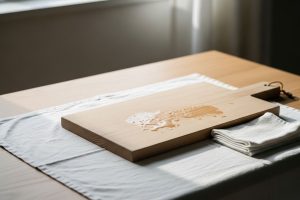
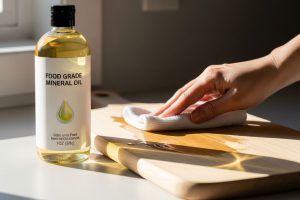
Wash with mild soap and water, avoiding long soaking. Air dry vertically after cleaning. Reapply natural oil every 1–2 months to maintain protection.