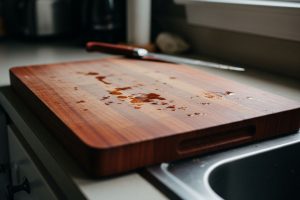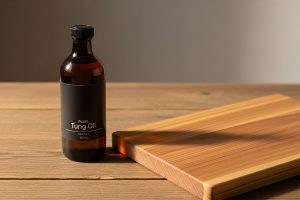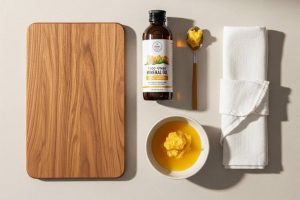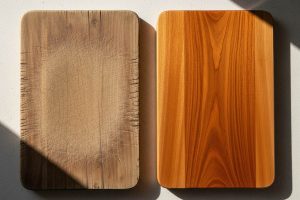
Wooden cutting boards add charm to any kitchen but can develop mold on wooden cutting boards due to moisture and porosity. This guide shows how to remove it safely and prevent it from returning.
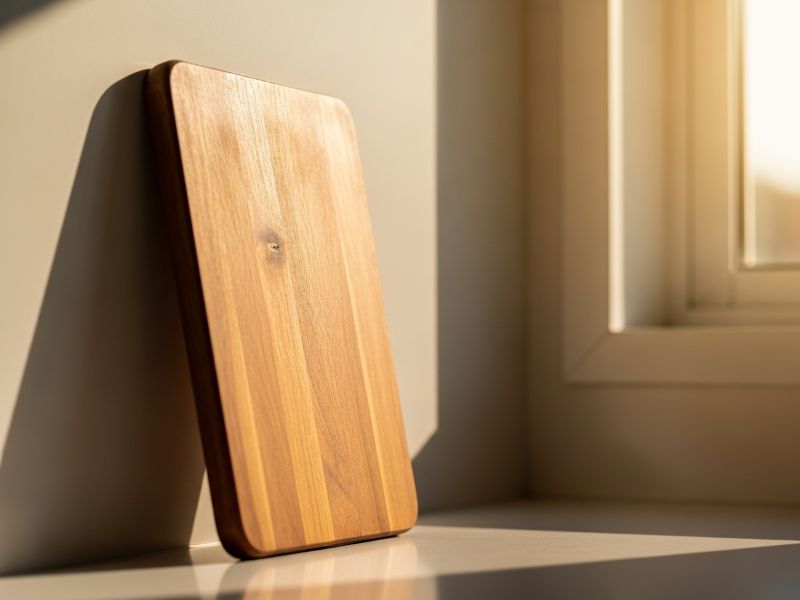
What Causes Mold on Wooden Cutting Boards
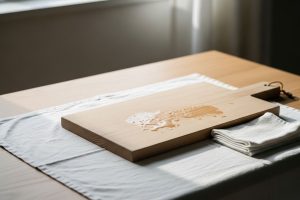
Understanding mold formation begins with examining wood’s cellular structure and the conditions that allow fungal spores to colonize. Multiple factors contribute to mold growth, often working in combination rather than isolation.
- Moisture retention: Wood naturally absorbs water through tiny pores and fibers. Unlike plastic or glass, it holds moisture inside, especially in end-grain boards, which expose open fibers. Even bamboo retains some moisture despite being marketed as water-resistant.
- Poor cleaning or drying: Leftover food particles – vegetable bits, sugars, or meat juices – feed mold spores. Storing a damp board flat or stacked prevents airflow and keeps moisture trapped inside.
- Raw meat residues: Proteins and fats from meat soak into the grain, creating rich food for mold and bacteria. Always use a separate board for raw meat and clean it thoroughly afterward.
- Dark, humid storage: Closed cabinets or damp kitchens limit air circulation, while darkness and humidity encourage mold growth. Store boards upright in a dry, ventilated spot.
- Maintenance neglect: Skipping oiling, using the wrong oil, or living in humid climates all increase mold risk. Regular oiling seals pores and helps moisture evaporate evenly.
Understanding these interconnected causes provides the foundation for the cleaning methods detailed below. Each removal technique addresses specific aspects of mold contamination, from surface colonies to deeper infiltration.
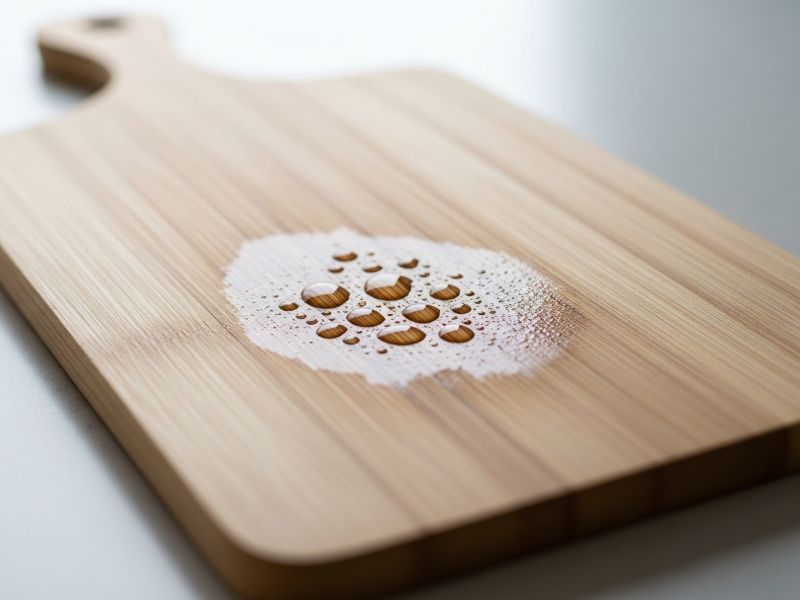
How to Remove Mold from Wooden Cutting Boards
Mold removal depends on how deep it goes – light mold needs gentle cleaning, deeper mold needs stronger methods.
Scrubbing with Vinegar
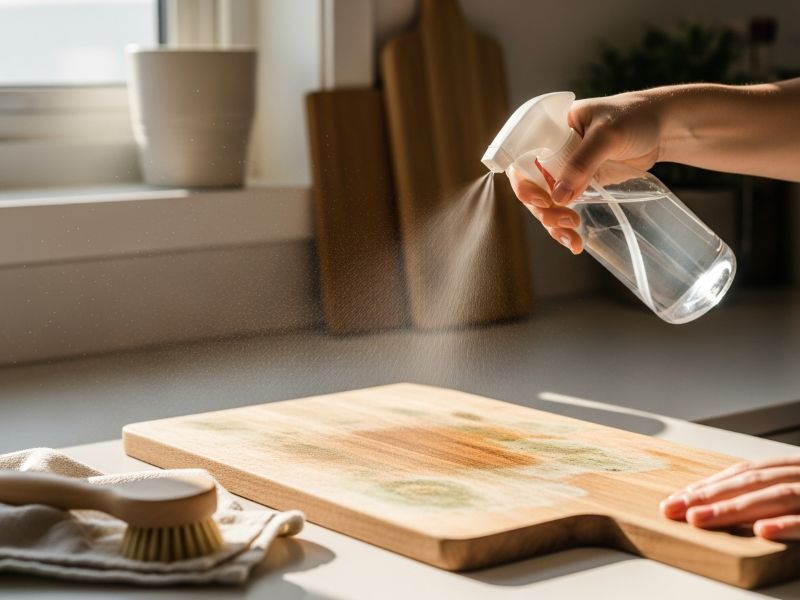
White vinegar is a simple, food-safe cleaner that kills most surface mold. Its mild acidity breaks down mold cells without leaving harmful residues.
To clean, spray undiluted white vinegar directly on the moldy area or wipe with a soaked cloth. Let it sit for 5–10 minutes so the acid can reach deep into the wood pores. Then scrub firmly along the grain using a stiff brush.
Rinse well with hot water and let the board dry upright in a well-ventilated place for several hours.
Vinegar works best for light mold or early signs of discoloration and can be used regularly as a preventive cleaner. It’s gentle on wood fibers and completely food-safe. Never mix vinegar with bleach – this creates toxic fumes.
Using Baking Soda and Water
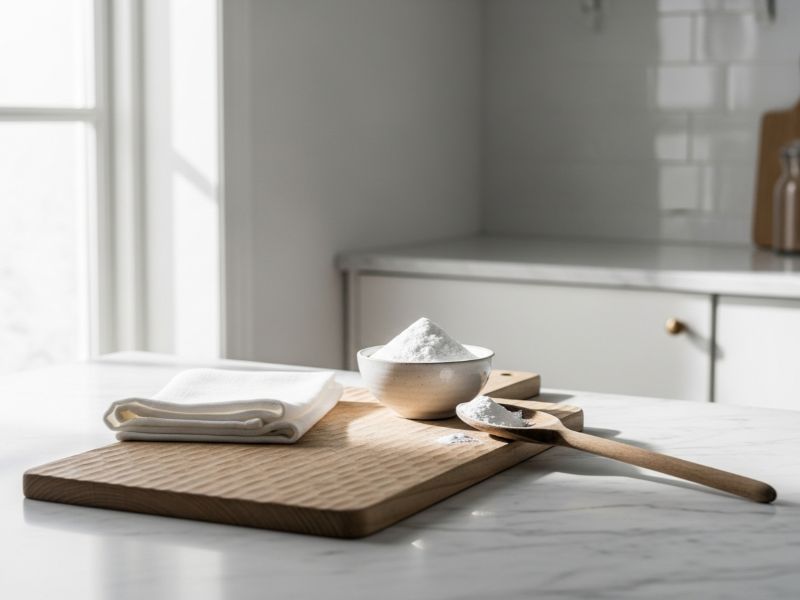
Baking soda offers both gentle scrubbing power and natural deodorizing. Its slight alkalinity helps stop mold from coming back while removing stains and musty smells.
Make a paste with 3 parts baking soda and 1 part water (about the texture of toothpaste). Spread it evenly over moldy spots and let it sit for 15–20 minutes. Scrub in circular motions with a damp cloth or brush, then rinse thoroughly with warm water. Dry the board completely by standing it upright so air can circulate.
This method is ideal for moderate mold or when the board smells damp. For a stronger clean, add a few drops of fresh lemon juice – the citric acid helps lift stains and leaves a bright, clean scent.
Lemon and Salt Method
This traditional method combines coarse salt for abrasion with lemon juice for natural disinfection and freshness.
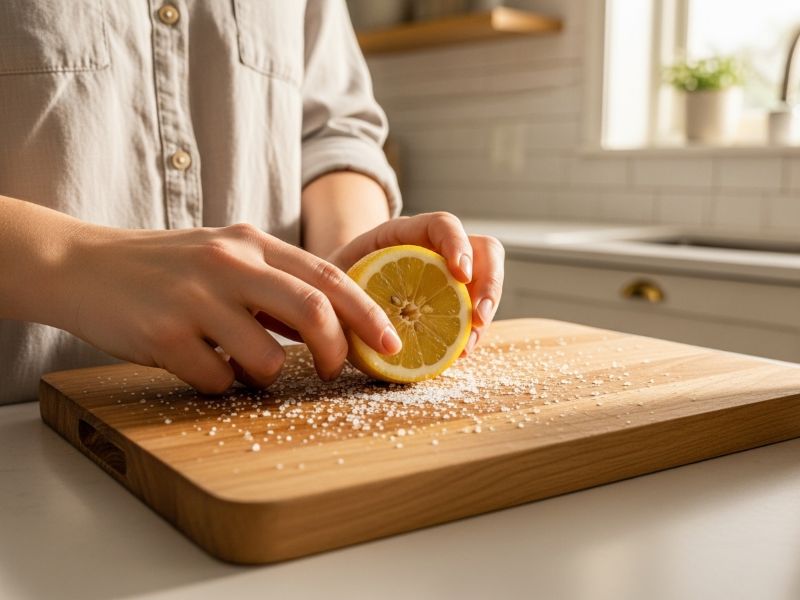
Sprinkle coarse sea salt or kosher salt generously over the board. Cut a lemon in half and use it like a scrubber, pressing down while rubbing in circular motions. The salt helps lift grime as the lemon releases juice that kills surface mold.
After scrubbing for a few minutes, let the mixture sit for 10 minutes, then rinse with warm water and dry the board completely.
The lemon and salt method works well for light mold or general refresh. It not only removes stains but also leaves your cutting board smelling fresh and looking brighter. Plus, the lemon’s natural oils add a touch of conditioning to the wood surface – perfect for those who prefer natural cleaning solutions.
Hydrogen Peroxide Solution
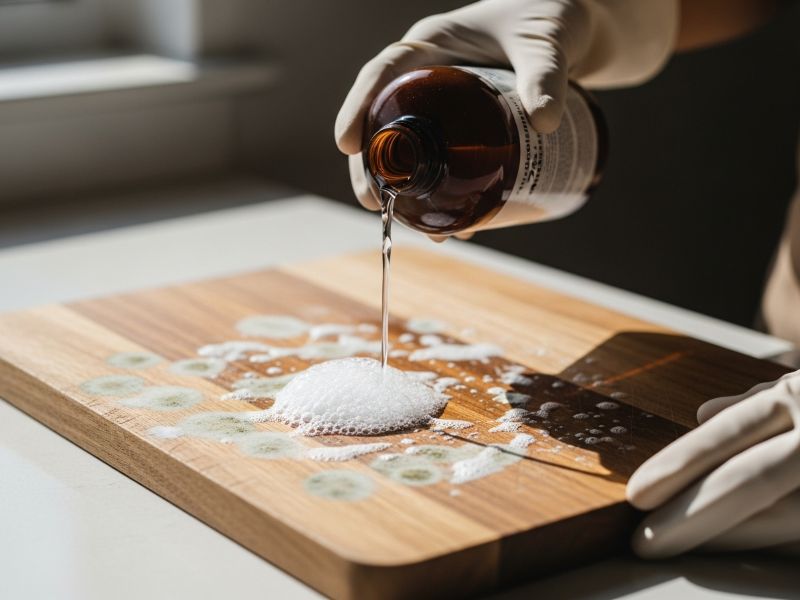
For tougher or recurring mold, use 3% food-grade hydrogen peroxide. Apply directly or with a clean cloth, ensuring even coverage. Let it bubble for 10–15 minutes, scrub gently, then rinse several times and dry thoroughly.
Important safety considerations apply to hydrogen peroxide use:
- Wear gloves to prevent skin irritation from prolonged contact
- Avoid eye contact; rinse immediately if exposure occurs
- Test on an inconspicuous area first, as some wood species may show slight color lightening
- Never mix with vinegar or ammonia-based products
- Store peroxide in its original opaque container to prevent degradation from light exposure
Hydrogen peroxide offers stronger sanitizing power than vinegar while remaining food-safe once rinsed. It addresses moderate to significant surface mold but may not penetrate deeply enough for extensive infiltration. The potential for minor bleaching makes it less suitable for boards where maintaining original color matters aesthetically.
Sanding the Board
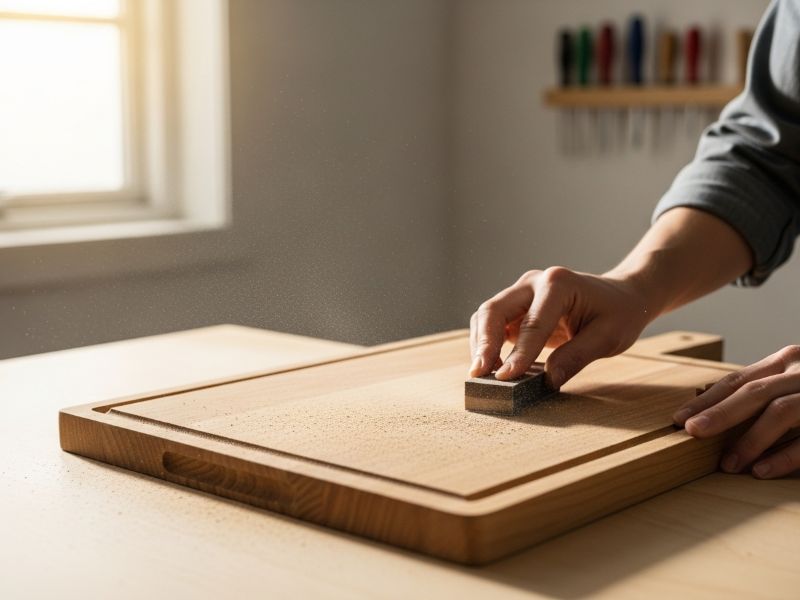
When mold penetrates beneath the surface, physical removal is often necessary. Make sure the board is completely dry before sanding. Start with 80-grit sandpaper to remove stained areas, then smooth with 120- and 220-grit for a fine finish.
Safety measures for sanding include:
- Wear a dust mask to prevent inhaling mold spores and wood particles
- Use safety glasses to protect eyes from airborne dust
- Work outdoors or in a well-ventilated area
- Dispose of used sandpaper and dust properly – seal in plastic bags before discarding
Sanding removes approximately 1/16 to 1/8 inch of material, depending on how deeply you work. This approach restores heavily damaged boards but cannot be repeated indefinitely – excessively thin boards lose structural integrity and become prone to warping or cracking. Consider sanding as part of annual maintenance for boards showing significant wear, not just for mold removal.
How to Prevent Mold on Wooden Cutting Boards
Preventing mold is all about consistent habits, not heavy maintenance. A few simple routines will keep your board clean, dry, and mold-free for years.
- Wash and Dry Right After Use:
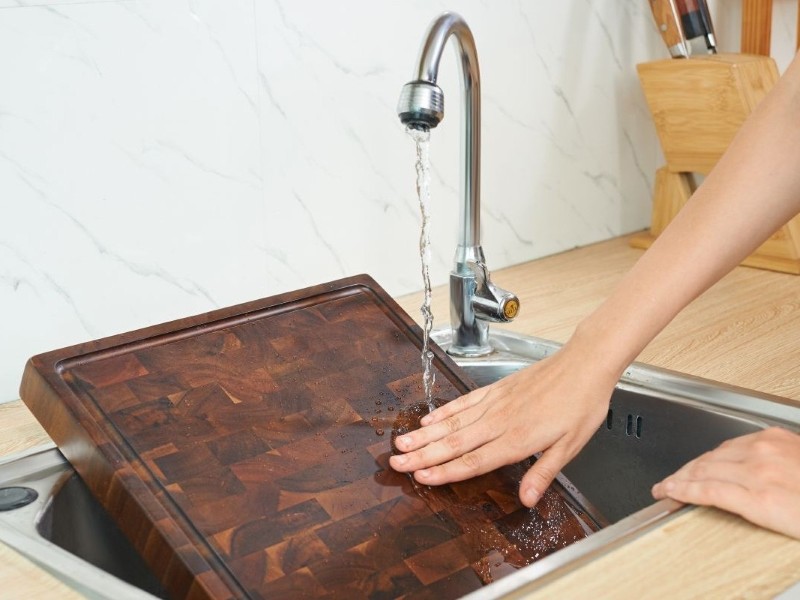
Wash your board with water and mild soap right after use. Scrub gently to remove food from knife cuts, then rinse well. Never soak – it causes swelling, warping, and cracks. After washing, towel-dry all sides and stand the board upright for airflow. In humid climates, dry near sunlight or a fan to prevent moisture buildup.
Read more: How to Clean A Wooden Cutting Board: A Practical Guide
- Store in a Dry, Ventilated Place:
Keep boards where air can circulate freely – open racks are better than closed cabinets. If you must store inside, leave space between boards and consider small fans or desiccant packs in humid areas. For coastal or damp climates, use a dehumidifier to keep humidity below 60%, and check levels with a hygrometer.
Read more: Where Can You Safely Store Clean Cutting Boards?
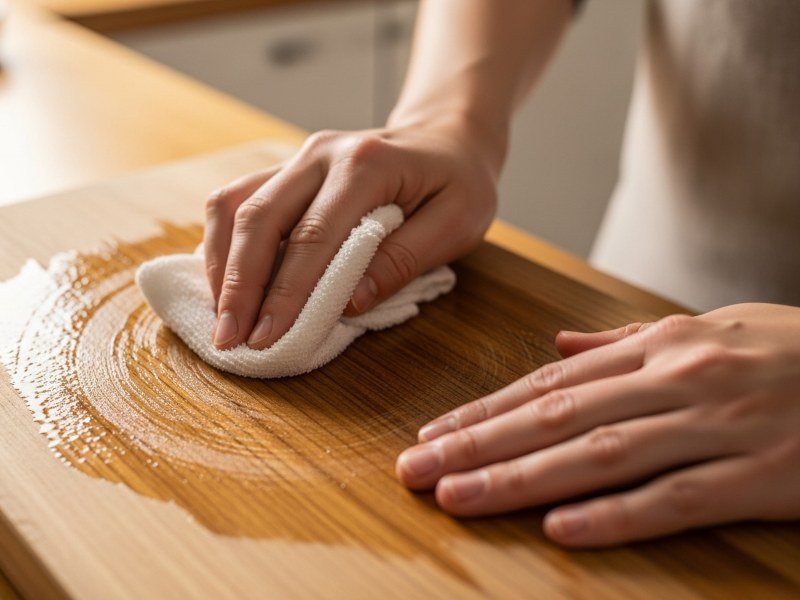
- Oil Regularly with Food-Grade Mineral Oil:
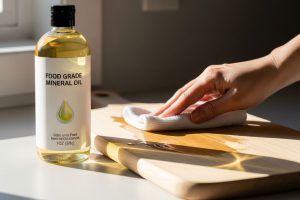
Mineral oil protects wood by sealing pores and preventing water absorption.
New boards: oil three times in the first month.
Frequent use: oil monthly;
Occasional use: every few months.
Reapply whenever the surface looks dry or dull, or water no longer beads. Use food-grade mineral oil or a beeswax blend, not cooking oils – they turn rancid and sticky.
Read more: How to Oil a Cutting Board: Step-by-Step Guide for Long-Lasting Results
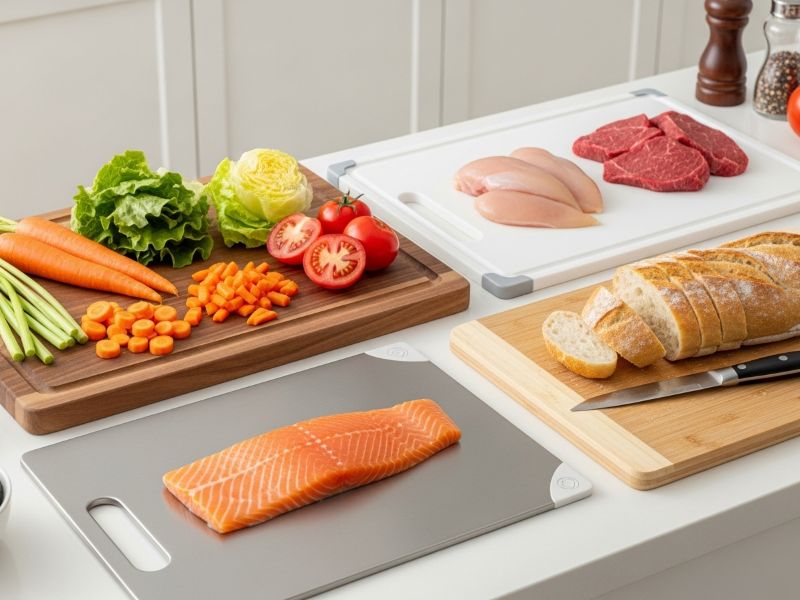
- Use Separate Boards for Meats and Produce:
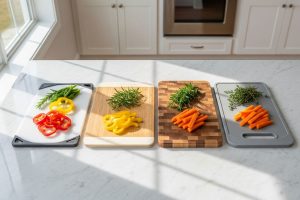
Assign boards for different food types – red for meat, green for produce, yellow for poultry – to avoid cross-contamination. This not only protects food safety but also extends board life by spreading wear across multiple boards. Rotating boards lets wood fibers recover between uses.
- Never Soak or Use the Dishwasher:
Dishwashers expose wood to heat, harsh detergents, and long soaking, which causes cracks, warping, and glue failure. Hand wash only – it takes just a couple of minutes and keeps your board strong for years. Protect your investment with gentle care.
- Follow a Simple Maintenance Routine:
Keep your cutting board in good shape with simple routine checks instead of waiting for problems to appear.
- Weekly: Inspect the board under good light for early mold, cracks, or rough areas. Test if it needs oil by dropping a bit of water – if it soaks in, reapply mineral oil. Do a quick vinegar wipe as preventive cleaning.
- Monthly: Lightly sand high-use boards with 220-grit sandpaper to smooth rough grain, then oil immediately. Check board thickness – if it’s under 1 inch, plan to replace it soon.
- Yearly: Replace any board with deep cuts, strong odors, major cracks, or warping. Using damaged boards risks both food safety and your knives.