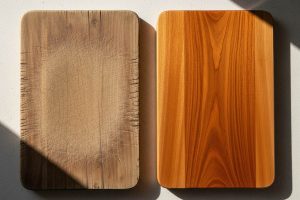
Butcher Block Countertop Maintenance is key to keeping these warm, functional kitchen surfaces beautiful and safe. With regular care, you can prevent cracking, stains, and bacteria while extending their lifespan. This guide walks you through cleaning, oiling, repairs, and long-term care to keep your countertops looking and performing their best for years.

Why Butcher Block Countertop Maintenance is Important
Wood countertops possess unique characteristics that make them both appealing and demanding. Unlike manufactured surfaces, wood remains a living material that responds to environmental changes. The porous structure of wood absorbs moisture, oils, and bacteria while expanding and contracting with humidity fluctuations. Without proper care, these natural properties can lead to significant problems.
The three primary reasons for consistent maintenance directly impact your kitchen’s functionality and safety:
- Structural protection: Regular oiling prevents moisture damage, cracking, and warping by creating a stable barrier.
- Food safety: Proper cleaning and conditioning keep the surface sanitary and even enhance wood’s natural antimicrobial properties.
- Longevity and beauty: Consistent care preserves rich grain patterns and warm tones, keeping your countertop functional and attractive for years.
Compared to granite or quartz alternatives, butcher block requires more frequent attention but offers repairability and character that manufactured surfaces cannot match. While stone countertops need occasional sealing, wood requires monthly conditioning in active kitchens.

Daily Care for Butcher Block Counters
Establishing consistent daily habits prevents the accumulation of stains, odors, and bacteria that require intensive cleaning later. The frequency and thoroughness of daily care should match your kitchen usage patterns.
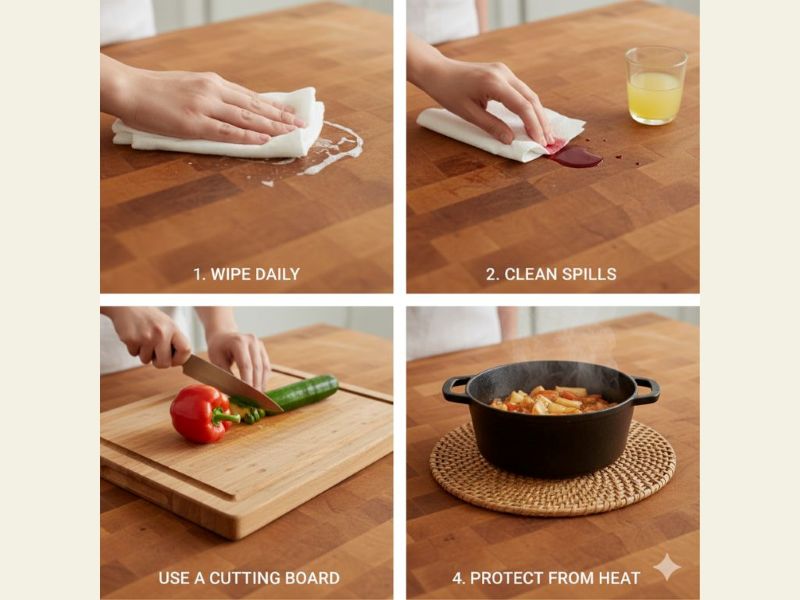
- Basic Daily Routine: After each use, wipe the surface with a damp cloth or sponge using mild dish soap and warm water. The soap removes food residues and oils while the warm water helps dissolve sticky substances. Immediately dry the surface completely with a clean towel to prevent water absorption and mineral deposits.
- Spill Management: Address spills immediately, especially acidic liquids like lemon juice, vinegar, or wine that can penetrate and stain wood fibers. Standing water creates the greatest risk for water damage and bacterial growth. Even brief exposure to liquids requires immediate cleanup and drying.
- Usage-Based Adjustments: Light-use kitchens may require only evening cleanup, while heavy-use kitchens benefit from periodic cleaning throughout the day. Households that frequently prepare raw meats or acidic foods should increase cleaning frequency and use food-safe disinfectants after each use.
- Protective Practices: Use cutting boards for knife work to prevent deep cuts in the countertop surface. Place trivets under hot cookware to prevent thermal damage. These simple habits reduce wear and extend the time between major maintenance procedures.
The investment in daily care pays dividends by reducing the need for aggressive cleaning methods that can damage the wood finish and require complete refinishing.
How to Clean Butcher Block Countertops Properly
Deep cleaning removes stains, odors, and discoloration that daily wiping can’t fix. Use targeted methods to protect the wood while restoring its look.
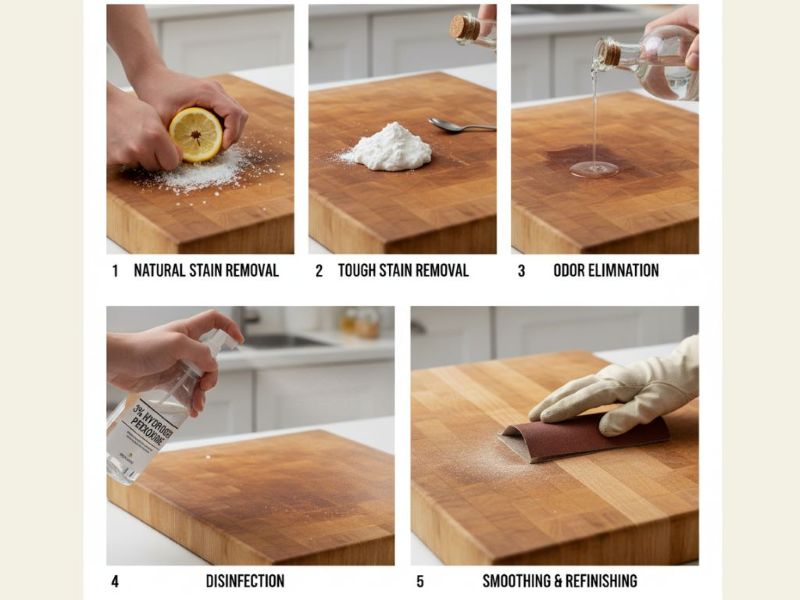
Natural stain removal: For most stains, scrub gently with coarse salt and half a lemon – the salt exfoliates, and the lemon’s citric acid naturally bleaches. For tougher spots, make a baking soda paste, leave it for 10–15 minutes, then scrub. Always rinse and dry immediately.
Odor elimination: Soak with white vinegar for 5–10 minutes to remove food odors. Persistent garlic or onion smells respond well to hydrogen peroxide applied briefly before rinsing. Coffee grounds can absorb lingering odors if left on the surface overnight.
Disinfection: White vinegar handles most bacteria and mold safely. For stronger cleaning, mix equal parts 3% hydrogen peroxide and water. Use diluted bleach only when necessary – 1 tablespoon per gallon of water – then rinse thoroughly and re-oil within 24 hours.
Avoid these products: Ammonia cleaners, undiluted bleach, harsh chemicals, abrasive pads, or steel wool can strip oils, scratch the surface, and harbor bacteria.
When to sand: Lightly sand with 220-grit paper for stains that resist cleaning. Deep stains or cuts may need 120-grit first, finishing with 220-grit. Always sand with the grain and re-oil right after sanding.
| Stain Type | Best Method | Special Cautions |
|---|---|---|
| Water rings | Salt and lemon | Work quickly to prevent deeper penetration |
| Food stains | Baking soda paste | Allow time for absorption before scrubbing |
| Grease spots | Dish soap and warm water | Use degreasing dish soap for best results |
| Blood stains | Hydrogen peroxide | Test in inconspicuous area first |
| Burns | Progressive sanding | May require professional refinishing |
Oiling a Butcher Block Countertop
Regular oiling protects wood countertops by sealing pores, preventing cracking, reducing moisture absorption, and preserving the warm, natural luster that makes butcher block so appealing.
Why it matters: Oiling prevents swelling, splitting, and bacterial growth while making cleanup easier and protecting against stains. A well-oiled surface keeps its rich look and repels food and liquids effectively.
Choosing the right oil: Food-grade mineral oil is the gold standard – stable, safe, and non-rancid. Tung oil offers excellent long-term protection but needs longer curing. Beeswax blends add surface protection but require more frequent reapplication. Avoid cooking oils like olive, canola, or coconut oil, which can turn rancid, smell unpleasant, and attract bacteria.
How often to oil: Busy kitchens need monthly oiling. Light-use countertops may only need seasonal treatments. Dry climates may require more frequent applications, while humid environments can stretch intervals.
Step-by-step oiling process:
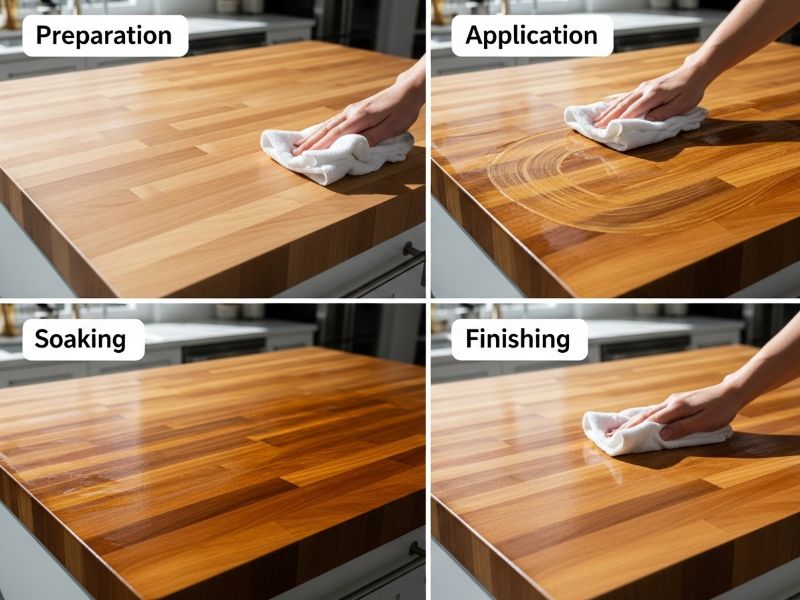
- Clean and dry the surface completely.
- Apply oil liberally with a clean cloth, following the wood grain.
- Let it absorb for 15–20 minutes, reapplying to dry spots.
- After 30–45 minutes, wipe off excess oil with a dry cloth. The surface should feel smooth, not sticky. Wait 2–3 hours before use.
- For new countertops, apply three coats on consecutive days to build protection. Maintenance coats afterward are usually sufficient unless the wood looks dry or damaged.
Troubleshooting tips: Sticky finishes mean too much oil or poor wiping – lightly sand with 220-grit paper and reapply thinner coats. Uneven absorption can result from poor cleaning or leftover finishes – strip and start fresh. Paper towel fibers sticking? Use high-quality cloths and avoid over-oiling.
Read more: How to Oil a Butcher Block: Best Oils, Step-by-Step Guide & Maintenance
Long-Term Butcher Block Countertop Maintenance
Proper long-term care keeps butcher block countertops beautiful and functional for decades. Periodic deep maintenance addresses wear, repairs damage, and adapts protection to changing conditions.
Sanding surface damage: Light scratches or shallow stains can be removed with 220-grit sandpaper, always sanding with the grain. Deeper cuts require progressive sanding—start with 120-grit to level, then 180-grit, finishing with 220-grit for a smooth surface. Use hand sanding for small spots or an orbital sander for larger areas. Vacuum dust between grits to prevent contamination, and oil immediately after sanding to protect exposed wood.
Periodic sealing choices: Oil finishes maintain a natural feel, are food-safe, and make spot repairs easy, but they need regular reapplication. Film finishes like polyurethane or Waterlox create tougher, waterproof barriers that resist stains and reduce maintenance frequency, but they’re harder to repair if damaged and may not be food-safe for direct contact.
Climate considerations: Dry climates increase wood movement and oil absorption, requiring more frequent conditioning. Humid environments may allow longer intervals but raise the risk of mold or bacteria growth. Seasonal changes mean maintenance schedules should stay flexible to match environmental conditions.

Finish Comparison Analysis:
| Finish Type | Durability | Food Safety | Repair Ease | Reapplication Frequency | Visual Effect |
|---|---|---|---|---|---|
| Mineral Oil | Moderate | Excellent | Very Easy | Monthly to Seasonal | Natural Matte |
| Tung Oil | Good | Excellent | Easy | Seasonal to Annual | Natural Satin |
| Oil/Wax Blend | Good | Excellent | Easy | Seasonal | Natural Satin |
| Polyurethane | Excellent | Poor | Difficult | 3-5 Years | Glossy Film |
| Waterlox | Excellent | Good | Moderate | 2-3 Years | Satin Film |
Maintenance Decision Guidelines help determine when to continue oil treatments versus switching to film finishes. Continue oiling when countertops receive regular food preparation use and you prefer natural wood characteristics. Consider film finishes for purely decorative installations or when maintenance time is limited.
The key lies in consistency rather than perfection. Regular care prevents the major problems that require expensive professional refinishing or complete replacement.
Common Mistakes to Avoid in Butcher Block Care
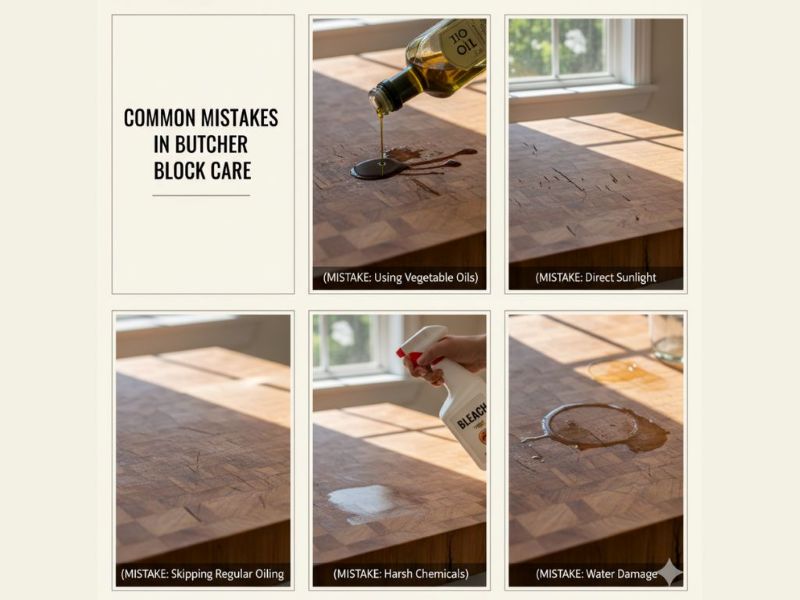
Avoiding these frequent errors helps protect your countertop, reduce repair costs, and extend its lifespan. Many mistakes happen when wood is treated like manufactured surfaces instead of a natural material.
- Using vegetable oils for protection: Oils like olive, canola, or coconut eventually turn rancid, creating odors, attracting insects, and leaving sticky, bacteria-trapping residues. Use only food-grade mineral oil or butcher block conditioners designed for wood.
- Exposing countertops to direct sunlight: Prolonged UV exposure fades color, cracks the surface, and speeds oil breakdown. Heat also makes wood expand and contract, causing warping and stress fractures. Keep countertops away from intense sunlight or install UV-blocking shades.
- Skipping regular oiling cycles: Extending the time between oiling sessions dries out wood, increases stain absorption, and risks cracking. Stick to a schedule tailored to your kitchen’s usage and climate to maintain protection.
- Using bleach or harsh chemicals: Strong cleaners strip natural oils, weaken fibers, and leave uneven discoloration. Reserve diluted bleach for emergencies only—use mild soap, water, or natural cleaners for routine care.
- Ignoring early water damage: Small rings, dark spots, or soft areas signal moisture intrusion. Clean, dry, and re-oil immediately. Left unchecked, water damage can spread and lead to costly structural repairs.
These mistakes share a common thread: treating butcher block countertops like maintenance-free surfaces instead of natural materials requiring regular care. The investment in proper maintenance habits preserves both functionality and appearance while preventing costly repairs that result from neglect.
When to Refinish or Replace a Butcher Block Counter
Deciding between repair and replacement depends on damage severity, costs, and long-term performance. Assessing these factors prevents spending on ineffective fixes or unnecessary replacements.
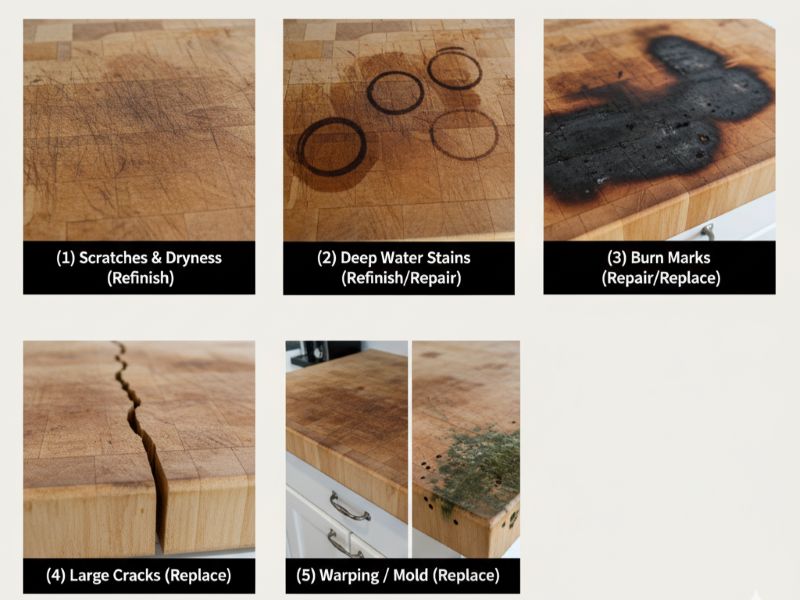
Refinishing indicators: Dry surfaces, shallow scratches, uneven coloration, water rings, and worn finishes often respond well to sanding and re-oiling. If the wood feels firm when pressed – without flex or sponginess – refinishing is usually the best option.
Deep repair needs: Burn marks, deep water stains, or stubborn rings may require aggressive sanding, bleaching, or routing. When damage penetrates beyond the surface, a professional evaluation can confirm whether the structure remains sound.
Replacement signals: Cracks that run through the countertop, severe warping, mold, or insect damage compromise safety and stability. Multiple damaged areas or repairs that repeatedly fail suggest systemic problems where replacement is more practical.
Cost-benefit considerations: Refinishing generally costs 30–50% of replacement but may last only a few years in high-use kitchens. A new countertop, when properly maintained, can deliver decades of reliable service.
Decision Flow Process:
- Assess: Document all damage areas, test structural integrity, identify underlying causes
- Decide: Compare repair costs to replacement value, consider long-term functionality needs
- Act: Schedule professional assessment for borderline cases, plan maintenance to prevent future problems
The goal is matching the solution to the problem severity while considering long-term kitchen functionality and budget constraints. Koppen’s kitchen specialists can provide professional assessments that help homeowners make informed decisions about countertop care and replacement timing.
Read more: How to Finish Butcher Block Countertops: Complete Step-by-Step Guide with Best Finishes
Quick Summary: From Daily Care to Full Restoration
Effective butcher block maintenance follows a progressive approach that builds from daily habits to periodic deep care. This systematic method prevents minor issues from becoming major problems while preserving the natural beauty that makes wood countertops appealing.
The maintenance hierarchy flows logically from immediate daily care through monthly conditioning to annual assessment and repair. Daily cleaning with mild soap and immediate drying prevents most stains and bacterial growth. Weekly deep cleaning addresses accumulated residues and minor discoloration. Monthly oiling maintains protective barriers and preserves appearance. Annual assessment identifies wear patterns and repair needs before they compromise functionality.
The payoff for consistent care is substantial. Well-maintained butcher block countertops provide decades of service while retaining warmth, beauty, and functionality that enhance kitchen environments. The natural wood character improves with age when properly cared for, developing rich patina and smooth working surfaces that manufactured alternatives cannot match.
Success lies in understanding wood as a living material that responds to consistent care with lasting durability and timeless appeal – this is the essence of butcher block countertop maintenance done right.

Read more: Best Wood for Butcher Block: Complete Guide