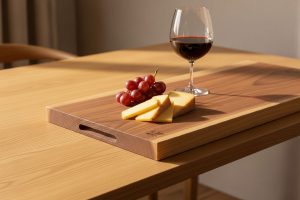
Your prep surface affects knife care, food safety, and kitchen workflow. Many cooks wonder about the difference between butcher block vs cutting board – and which suits their needs. This guide explains their key distinctions, performance, and how to choose based on your cooking style and space.
What Is a Butcher Block?
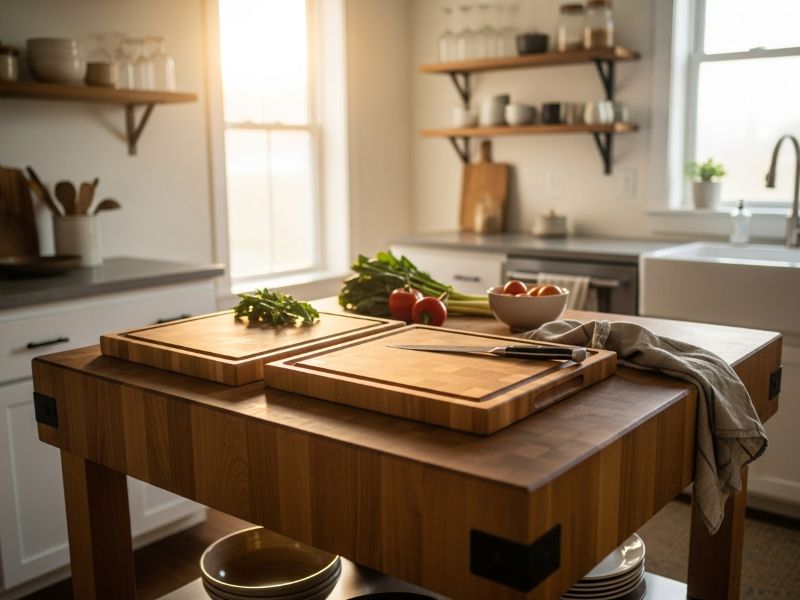
A butcher block is a thick, durable work surface made from laminated hardwood – commonly maple, walnut, or oak. Ranging from 1.5 to 4 inches thick, it’s built to handle heavy chopping, cleaver strikes, and large cuts of meat – just as traditional butchers once used it for breaking down carcasses.
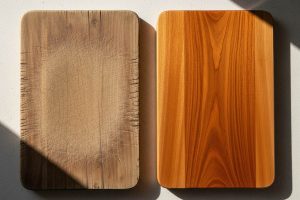
The construction style defines its quality. Classic butcher blocks use end-grain wood, where the fibers stand upright. This lets knife blades slip between the fibers instead of cutting across them, helping protect both the knife edge and the surface. Edge-grain blocks, made from horizontal strips, are slightly less gentle on knives but more affordable.
Because of their size and weight – often 40 to 100 pounds – butcher blocks are typically permanent fixtures in kitchens, whether built into countertops or mounted on sturdy islands. They offer unmatched stability, ideal for heavy-duty prep like cutting large meat portions or chopping dense vegetables.
Their thickness and density also absorb impact, reducing vibration and strain on your wrists and joints during long prep sessions – making them a favorite among professionals and serious home cooks alike.

Read more: Best Wood for Butcher Block: Complete Guide
What Is a Cutting Board?
A cutting board is a lightweight, portable surface made for everyday chopping, slicing, and prep work. Typically 0.5–1.5 inches thick, these boards range from compact 8×10-inch models to larger 18×24-inch ones. Unlike butcher blocks, cutting boards focus on mobility and convenience—easy to move, wash, store, or replace when worn out.
They come in various materials, each with distinct pros and cons:
- Hardwood (maple, walnut, cherry): gentle on knives, naturally antimicrobial.
- Bamboo: eco-friendly and durable but can dull knives faster.
- Plastic (polyethylene, polypropylene): dishwasher-safe and affordable, though they scar easily.
- Composite: blends of materials for balanced strength and resilience.
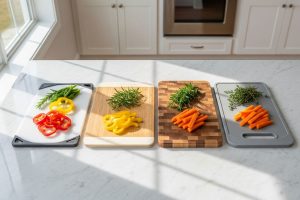
Modern cutting boards often include juice grooves to catch liquids, non-slip grips for safety, and even color-coding to prevent cross-contamination (e.g., red for meat, green for produce). Most weigh under 5 pounds, making them easy to handle and ideal for small kitchens.
Because they’re thinner and less expensive, cutting boards are replaced more often – usually when deep cuts or stains appear. Priced between $20–$80, they’re a practical, low-maintenance choice for home cooks and renters who value flexibility and hygiene.
Read more: Best Wooden Cutting Boards For Slicing, Chopping In 2025
Key Differences Between Butcher Block and Cutting Board
Both surfaces serve food prep but differ in build, purpose, and upkeep. Here’s how butcher blocks vs cutting boards compare.
Size and Weight
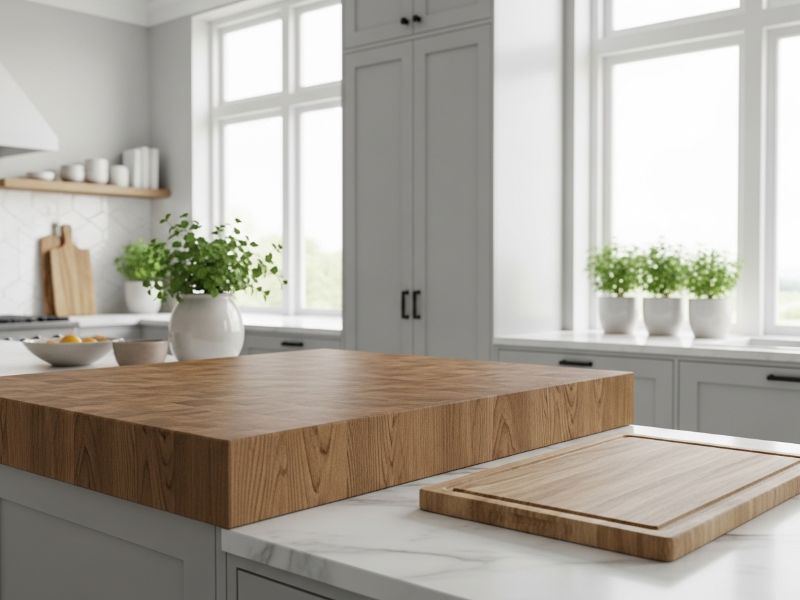
Butcher blocks stand out for their heft and permanence. Most countertop versions measure 24–36 inches wide and 1.5–4 inches thick, sometimes even thicker in professional kitchens. Freestanding models can weigh over 50 pounds, offering rock-solid stability for heavy chopping or meat cutting. Once installed, they rarely move – ideal for cooks who value a dedicated prep station.
Read more: How Thick Are Butcher Block Countertops? Standard Sizes, Pros & Cons
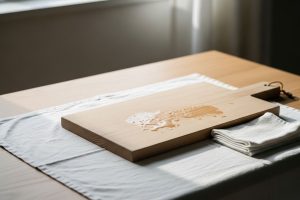
Cutting boards, by contrast, focus on portability. Standard home boards range from 12×18 to 18×24 inches and typically weigh under 5 pounds. They can be lifted, washed, or stored in a cabinet within seconds. This flexibility makes them perfect for smaller kitchens or anyone who prefers multiple surfaces for different foods. A damp towel underneath easily adds extra grip during use.
Durability and Use
Butcher blocks are built for the long haul. Their thick hardwood composition – especially end-grain construction – absorbs knife impact, preserving blade sharpness and preventing deep cuts. With regular oiling and care, a butcher block can last decades while developing a warm patina that adds character over time.
Cutting boards, however, have shorter lifespans. Plastic and bamboo versions may last only a few years, while high-quality hardwood boards can endure up to a decade. Knife marks appear more quickly, and the thinner material offers less resistance to impact. Still, for everyday tasks like chopping vegetables, slicing fruit, or prepping bread, cutting boards provide excellent convenience without the weight or cost of a full block.

Maintenance
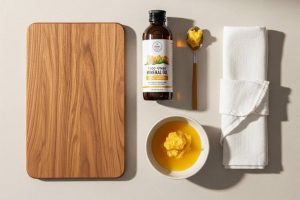
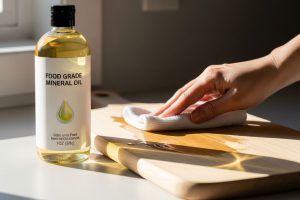
Both materials require oiling, but butcher blocks demand more attention due to their size. Large surfaces need monthly (or even biweekly) treatment with food-grade mineral oil to prevent drying or cracking, plus occasional sanding to restore a smooth finish. Cleaning also happens in place – you can’t submerge them – so daily care involves wiping with warm water, mild soap, and vinegar or lemon-based disinfectant.
Cutting boards are easier to handle. Most can be scrubbed directly in the sink, air-dried upright, and re-oiled every month or so. Plastic boards can even go in the dishwasher for a thorough clean. For those who rotate several boards at once, maintenance becomes nearly effortless – simply replace any that develop deep grooves or stains.
Cost and Practicality
In terms of cost and flexibility, cutting boards clearly lead. Quality hardwood models range from $30–$120, while durable plastic or composite boards can cost under $20. Their portability makes them ideal for renters, apartment dwellers, or cooks who like to rearrange their workspace.
Butcher blocks, on the other hand, are a more serious investment. Countertop installations often range from $150–$500 per linear foot, and freestanding units can reach over $1,000. Yet that investment pays off in performance and aesthetics. A well-maintained block doubles as a work surface and a statement piece – blending warmth, tradition, and utility in one fixture.
Ultimately, the decision comes down to lifestyle and workflow. If you want a permanent, professional-grade prep station that lasts for decades, the butcher block is worth the commitment. If you prefer flexibility, lower cost, and easy cleanup, cutting boards deliver practicality without compromise.
Can You Use a Butcher Block as a Cutting Board?
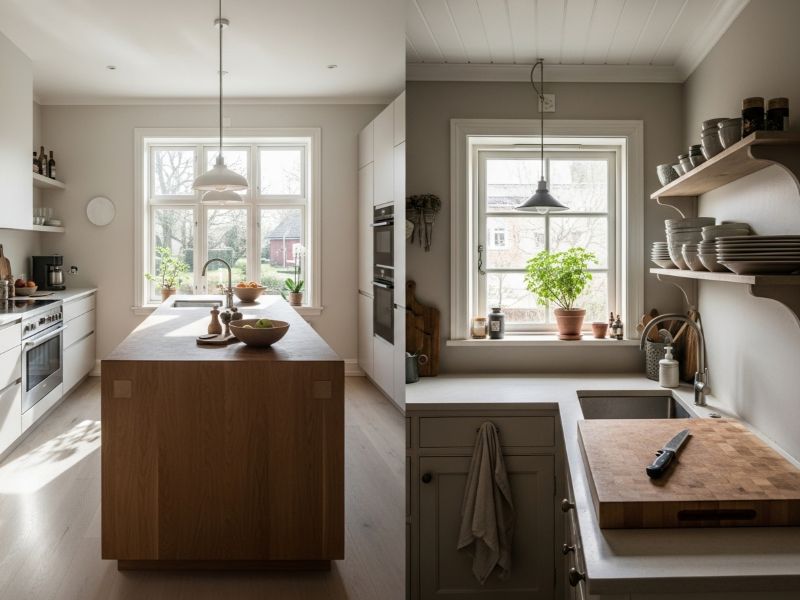
Yes, you can cut directly on a butcher block – that’s its core function. However, practicality issues often make this approach less efficient than using a separate cutting board on top of the block.
The main issue is sanitation. After cutting raw meat or fish, you’d need to clean the entire block – much harder than washing a small board. Size adds to the challenge, since large surfaces take time to scrub and dry between ingredients.

When using the butcher block directly makes sense:
- In professional or commercial kitchens with staff handling cleaning
- When processing one large ingredient (like a turkey or roast)
- During heavy-duty prep that needs a solid, stable surface
When a separate cutting board is better:
- For everyday cooking with multiple ingredients
- In small kitchens where space and cleaning time matter
- When you prefer quick sanitizing and easy storage
Best approach: use the butcher block as your main prep station, but keep cutting boards on top for most tasks. It’s cleaner, faster, and protects your investment long-term.
Which One Should You Choose?
Your cooking frequency, available space, and maintenance commitment determine the right choice. Here’s how these surfaces compare across key decision factors:
| Factor | Butcher Block | Cutting Board |
|---|---|---|
| Purpose | Heavy-duty chopping, meat processing, permanent work surface | Daily slicing, general prep, portable use |
| Portability | Fixed installation or heavy cart, rarely moves | Lightweight, easily moved and stored |
| Maintenance | Monthly+ oiling, in-place cleaning, periodic refinishing | Monthly oiling (wood), simple cleaning, easy replacement |
| Cost | $300-$1,200+ for quality blocks | $30-$120 for wood, $10-$15 for plastic |
| Lifespan | 20-30 years with proper care | 3-7 years (wood), 1-2 years (plastic) |
Home cooks (4–6 meals/week): A quality 18×24″ wood cutting board – like Koppen’s – covers most prep tasks, cleans easily, and stores neatly. Add a small board for quick jobs. Total: under $150.
Daily cooking enthusiasts: A butcher block cart offers a sturdy surface plus storage—ideal for breaking down meat or large-batch prep. More flexible than built-in counters and lasts 15–20 years. Budget $500–$800.
Renters or small-space kitchens: Keep multiple cutting boards in different sizes for flexible prep and easy storage. Cost $80–$150, or less with plastic options for color-coded safety.
Design-focused homeowners: Installing a butcher block countertop adds warmth and long-term value. Expect $2,000–$4,000 for materials and sealing.
Choose based on how you actually cook – not what you wish you did. Occasional meal prep calls for boards; regular heavy-duty cooking justifies a butcher block.
Final Recommendation
When comparing butcher blocks vs cutting boards, the choice comes down to your cooking style and space. Butcher blocks offer strength, stability, and long-term durability – perfect for heavy prep, large quantities, and cooks who see their kitchen as a long-term investment. Cutting boards, on the other hand, provide flexibility, easy cleaning, and affordable replacement, making them ideal for everyday cooking and smaller kitchens.
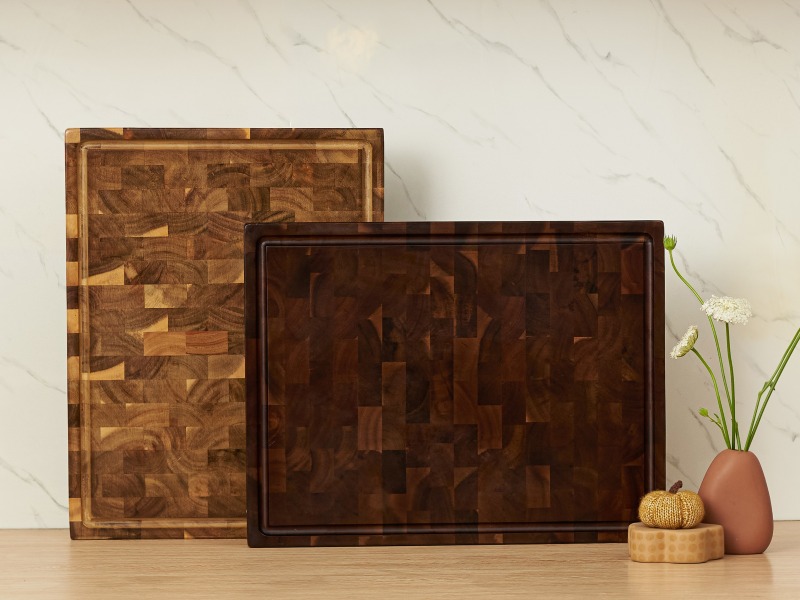
Most serious home cooks benefit from owning both. A single quality cutting board – perhaps a Acacia End Grain Cutting Board – Size 20 x 15 x 1.5 inch from Koppen – handles 90% of daily tasks. Add a butcher block element when space and budget allow, positioning it as your primary work surface with cutting boards operating on top. This layered system provides the stability of the block, the sanitation benefits of removable boards, and the flexibility to adapt your workspace to each cooking session.
The confidence that comes from working on the right surface, whether that’s a portable board you can flip and clean mid-recipe or a solid block that anchors your prep station, elevates every cooking experience. Choose based on your actual needs, maintain whatever surface you select properly, and trust that the right tool will reveal itself through use.