Wood cutting boards continue to gain ground in home kitchens across America. Home cooks and professional chefs alike appreciate the natural warmth, durability, and blade-friendly surface these boards offer. But when it comes to selecting the right wood, questions arise. Is beech wood a good choice for your cutting board? This article examines beech wood’s properties, weighs its strengths against its limitations, compares it to other popular wood options, and provides practical care guidelines.
Is Beech Good for Cutting Boards?
Yes – beech is a dependable, food-safe hardwood widely used in European butcher blocks and kitchenware. It provides a solid balance of durability, knife-friendliness, and affordability. Both European and American beech meet FDA and USDA standards for food-contact surfaces, with a closed grain that resists bacteria when properly maintained. While it requires regular oiling to prevent moisture damage, beech remains an excellent, budget-friendly choice for everyday cooking tasks.
Read more: Acacia vs Maple Cutting Board: Which One Should You Choose?
Pros and Cons of Beech Cutting Boards
Understanding both strengths and weaknesses helps you make an informed decision. Beech wood brings specific advantages to your kitchen, but it also presents challenges that require attention. This balanced view reflects real-world performance based on extended use, material testing, and user feedback from home kitchens and professional settings alike. Transparency about these factors builds the foundation for a smart purchase.
Advantages
Beech cutting boards deliver several practical benefits that explain their continued presence in kitchens worldwide.
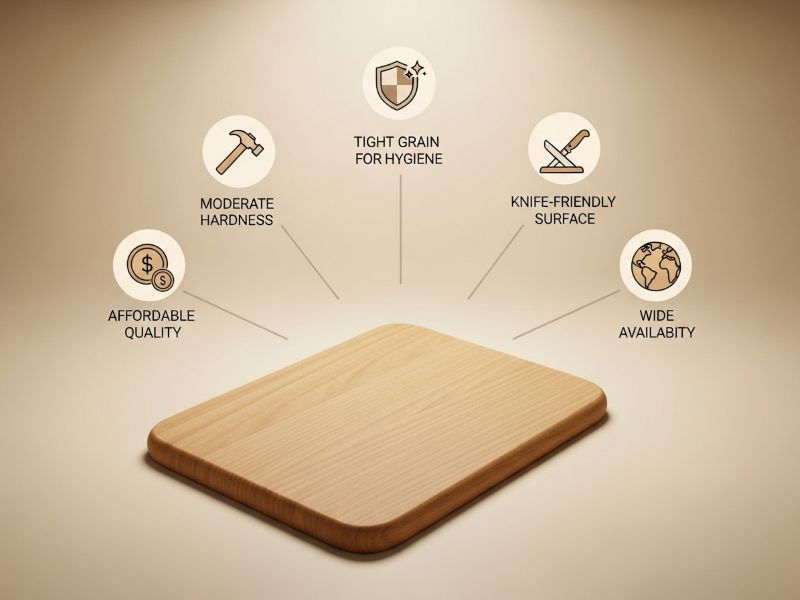
Moderate Hardness for Everyday Use: Beech wood measures around 1,300 pounds-force on the Janka hardness scale, placing it in the moderately hard category. It’s firm enough to resist deep cuts and gouges from daily chopping while maintaining structural integrity over years of use. Home cooks preparing vegetables, herbs, bread, and light proteins find this hardness level perfectly suitable for routine kitchen needs.
Tight Grain for Better Hygiene: Beech features a fine, close-grained pattern that reduces porosity compared to softer woods like pine or cedar. This tight structure leaves fewer spaces where moisture and bacteria can settle. When washed and dried promptly, the surface remains cleaner and more hygienic between uses, contributing to safer food preparation.
Knife-Friendly Surface Balance: The wood’s moderate density gives enough flexibility to absorb impact without dulling knife edges as quickly as harder materials like bamboo or plastic. This characteristic preserves blade sharpness and reduces the need for frequent sharpening, an advantage for cooks who invest in quality knives.
Affordable Quality for Home Cooks: Beech cutting boards typically cost less than walnut, teak, or high-grade maple. This affordability allows home cooks to enjoy reliable performance and a visually pleasing board without exceeding their kitchen budget. It’s a practical option that delivers strong value for everyday culinary tasks.
Wide Availability and Easy Replacement: Beech cutting boards are widely produced by European manufacturers and distributed through numerous American retailers. This availability ensures that replacements or additional boards are easy to source, making beech a convenient and accessible choice for both new and seasoned cooks.
Disadvantages
Beech wood also presents limitations that affect long-term performance and maintenance demands.
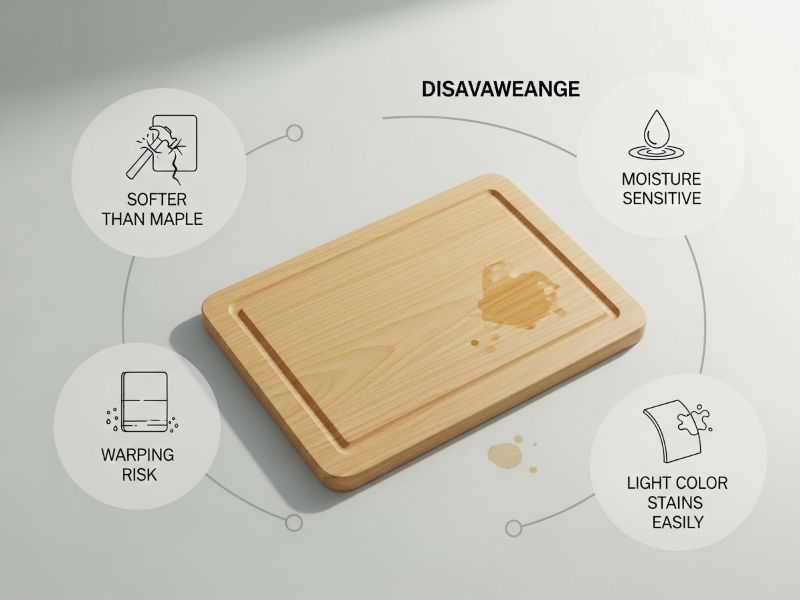
Softer Than Hard Maple: Beech wood falls short of hard maple’s 1,450 Janka hardness rating, making it more prone to dents and visible wear under heavy, daily use. In high-traffic kitchens or professional environments with frequent chopping and impact, beech tends to wear out faster than denser hardwood alternatives.
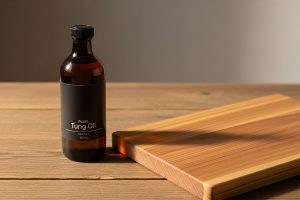
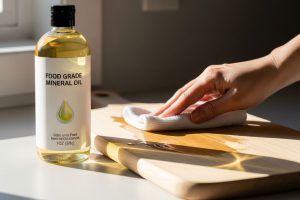
Moderate Porosity Requires Regular Oiling: Despite its fine grain, beech still absorbs moisture when left wet or unconditioned. Prolonged exposure to water causes swelling, and uneven drying can lead to cupping or bowing. Maintaining a consistent routine of food-grade mineral oil treatment is crucial for preserving the board’s shape and longevity.
Warping Risk from Poor Drying Habits: When washed and left flat on the counter, one side of the board often retains more moisture, leading to uneven expansion. This imbalance causes the board to warp or curve, reducing stability during use. Proper care prevents this issue, but beech demands more attention than less moisture-sensitive materials.
Light Color Shows Wear and Stains Easily: Beech’s pale tone, while visually appealing when new, highlights knife marks and food stains more prominently than darker woods. Ingredients like beetroot, turmeric, and berries leave lasting discoloration, while scratches appear as light streaks. Though these blemishes don’t affect performance, they can bother cooks who prefer a spotless look. Periodic sanding restores appearance but increases maintenance effort.
Best Uses for Beech Boards
Everyday Food Preparation:
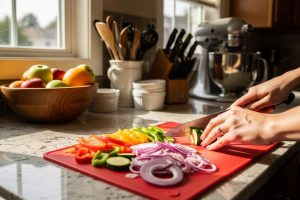
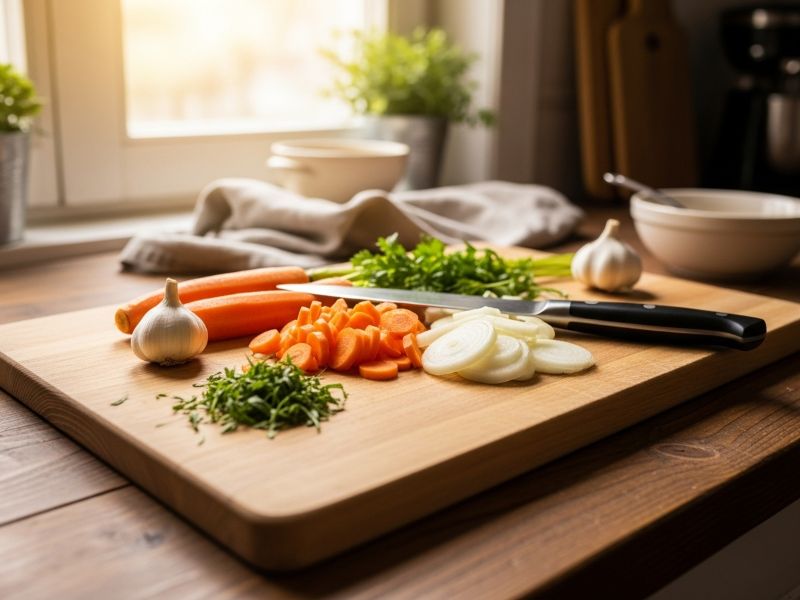
Beech excels in daily kitchen tasks such as slicing vegetables, chopping herbs, cutting bread, or preparing cheese. Its medium hardness offers a stable surface that handles regular use while remaining gentle on knife edges.
Home Kitchens on a Budget:
For home cooks seeking dependable quality without premium cost, beech delivers excellent value. It performs reliably for routine cooking and, with proper maintenance, can last for years – making it a practical investment for family kitchens.
Lightweight and Easy Handling:
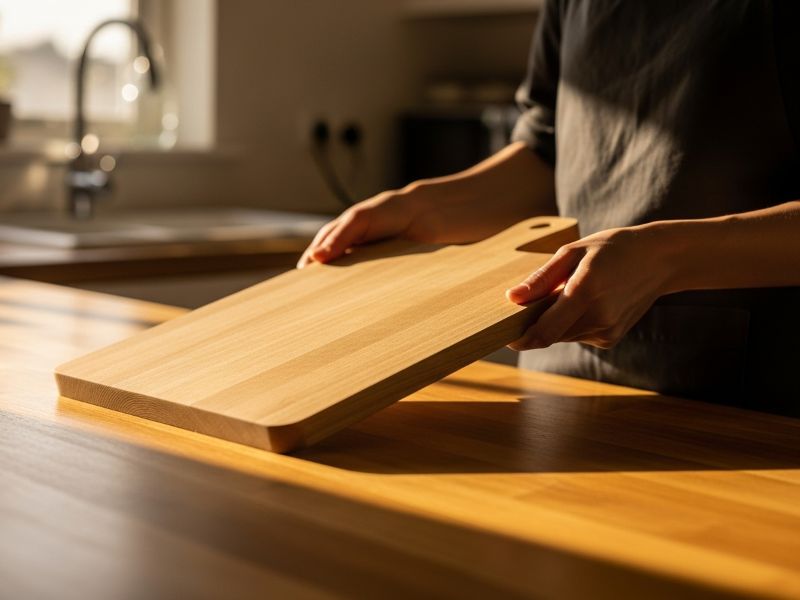
Compared with dense woods like maple or walnut, beech is lighter and easier to maneuver. Moving the board from counter to sink, flipping for cleaning, or storing upright requires less effort – ideal for cooks who prefer manageable tools.
Protective on Knife Blades:
Beech strikes a balanced surface hardness – firm enough to withstand chopping yet soft enough to preserve blade sharpness. It’s an excellent match for those who use quality knives and want to protect their cutting edge over time.
For Balanced Use, Not Extreme Demands:
Beech shines in moderate, everyday applications but is not intended for heavy-duty or high-moisture use. Understanding this balance ensures you get the most from your board while avoiding premature wear.
When to Avoid Beech
High-Humidity Environments:
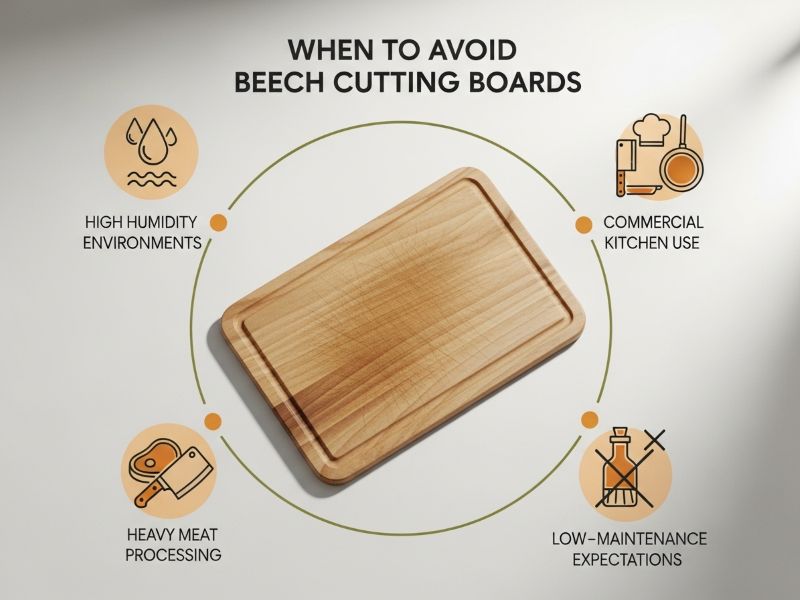
Beech does not handle moisture fluctuations well. In coastal areas, tropical climates, or kitchens without climate control, high humidity can cause the board to swell, warp, or crack over time. If you live in such conditions, bamboo or plastic boards – both more moisture-resistant – are safer alternatives.
Commercial Kitchens:
Heavy, continuous use in restaurant environments pushes beech beyond its limits. The constant chopping, washing, and sanitizing required in professional kitchens can accelerate wear and reduce lifespan. Hard maple or synthetic materials are better suited for this demanding workload.
Read more: What Are Professional Cutting Boards Made Of? 5 Materials Chefs Trust in 2025
Heavy Meat Processing:
Cleavers and heavy knives can quickly damage beech boards. Tasks like breaking down poultry, cutting through joints, or trimming large roasts create deep cuts and premature surface wear. For butchers or cooks who handle large amounts of meat, harder woods such as maple or end-grain boards offer superior durability.
Low-Maintenance Expectations:
Beech requires care – regular oiling, thorough drying, and proper storage – to stay stable and resist warping. If you prefer a board you can rinse and forget, opt for materials like plastic or composite that need less attention, though they may lack the warmth and tactile quality of real wood.
Read more:
Best Wood for Cutting Boards: Which Wood is Right for You?
Best Wooden Cutting Boards For Slicing, Chopping In 2025
Final Recommendation
Beech wood cutting boards represent a solid choice for home cooks who value quality, blade preservation, and reasonable pricing. The material delivers reliable performance for everyday food preparation when you commit to proper maintenance. Regular oiling, prompt drying after washing, and attention to storage conditions keep a beech board functional for years. The wood’s moderate hardness protects your knives while resisting the wear that comes with daily chopping tasks.
However, beech does present limitations. The wood’s sensitivity to moisture means warping becomes a real risk if you neglect care routines. High-humidity environments compound this challenge. The lighter color shows stains and cut marks more readily than darker alternatives, which may bother cooks who prioritize appearance. Heavy use, particularly in commercial settings or for intensive meat processing, pushes beech beyond its optimal performance range.
Beech is right for you if you cook regularly at home, want to protect your knife edges, appreciate natural materials, and are willing to maintain the board with consistent oiling and drying. The board serves you well for vegetable prep, bread slicing, cheese cutting, and moderate protein work. At Koppen, we recognize that the right cutting board depends on your specific cooking patterns and care commitment. Beech offers an attractive entry point into quality wood cutting boards without requiring the investment that premium materials demand.
If you face high humidity, seek minimal maintenance, or need a board for heavy-duty commercial use, consider alternatives like hard maple, walnut, or synthetic materials. Each material brings distinct properties that suit different needs. The goal is matching the tool to your cooking style, not forcing a material to perform beyond its natural capabilities.
When properly maintained, a beech cutting board becomes a reliable kitchen companion. It handles your daily tasks, preserves your knives, and ages with character as the surface develops a patina from use. For many home cooks, beech strikes the balance between performance, cost, and care requirements that makes it the practical choice for their kitchen.
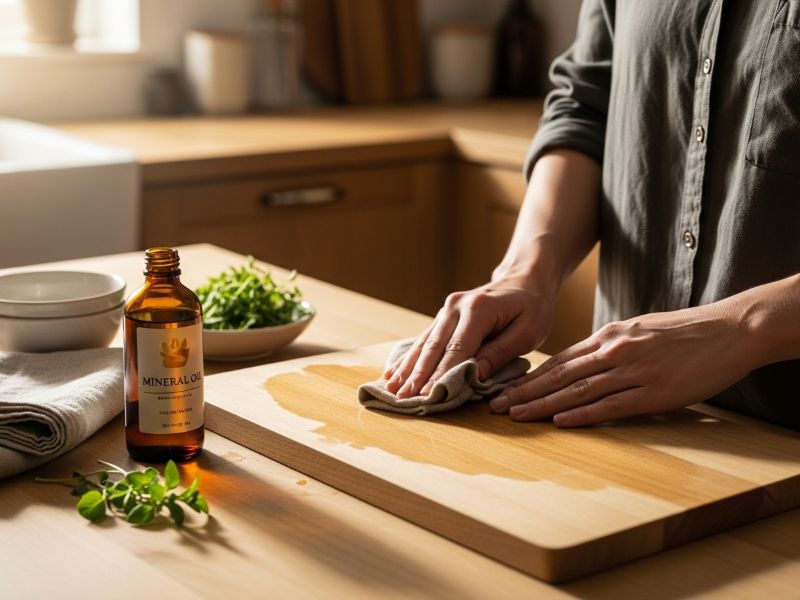
Read more: How to Oil a Cutting Board: Step-by-Step Guide for Long-Lasting Results