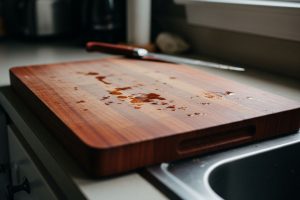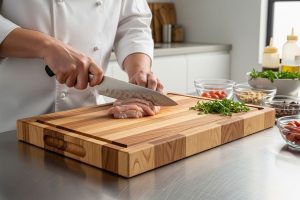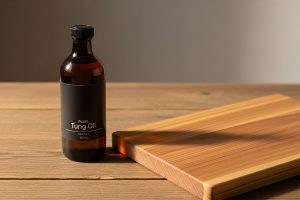
Walk into any professional kitchen, and you will find maple cutting boards. This hardwood has earned its place through decades of use in restaurants, culinary schools, and home kitchens. Maple combines durability with food safety and offers a surface that protects knife edges while resisting bacteria. This guide examines Maple’s performance through direct experience and scientific data. You will learn its strengths, limitations, and whether maple fits your cooking needs. The information comes from woodworkers, chefs, and laboratory studies on cutting board materials.
Read more: Walnut and Maple Cutting Board – Which Is Better for Your Kitchen?
Is Maple Good for Cutting Boards?
Yes. Hard maple, specifically sugar maple (Acer saccharum), stands as one of the finest cutting board materials available. The wood measures 1,450 pounds-force on the Janka hardness scale, placing it in the optimal range for food preparation surfaces. This density provides durability without damaging knife edges.
Maple’s closed grain structure prevents moisture absorption and limits bacterial penetration. The USDA and NSF have approved maple for direct food contact, confirming its safety for commercial and residential use. Tests show that maple surfaces inhibit bacterial growth more effectively than plastic after proper cleaning.
The wood’s tight pore structure creates a smooth cutting surface that requires less knife pressure. This characteristic extends blade sharpness and reduces hand fatigue during extended prep work. Maple boards maintain their integrity through years of daily use when maintained correctly.
Sugar maple grows throughout North America, making it accessible and cost-effective compared to exotic hardwoods. The wood’s light color shows knife marks and staining, which helps users track when refinishing is needed. This visibility supports better hygiene practices in busy kitchens.
Read more: Maple vs Teak Cutting Boards: The Ultimate Comparison Guide
Advantages and Disadvantages of Maple Cutting Boards
Understanding maple’s full performance profile helps you make an informed purchase. The material delivers specific benefits that matter in daily kitchen work, but it also requires commitment to maintenance. This section breaks down both sides with data from commercial kitchen use and laboratory testing.
Advantages
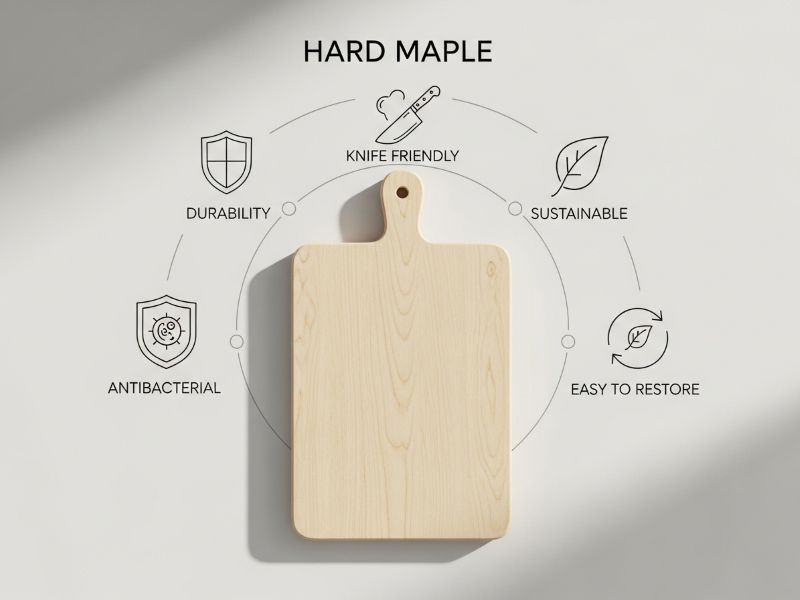
Hard maple remains one of the most trusted woods for cutting boards, blending durability, hygiene, and everyday usability.
Durability Through Dense Structure:
Maple’s fine, tight grain gives it outstanding strength against daily chopping and slicing. Even after years of use, the surface resists deep knife marks and stays smooth. With regular oiling, a well-made maple board can easily last over a decade in both home and professional kitchens.
Knife Edge Protection:
The wood’s hardness between 1,300 and 1,500 lbf hits the ideal balance — firm enough to resist damage yet soft enough to preserve sharp edges. Chefs often note that knives used on maple stay sharp longer compared to those used on bamboo or plastic boards.
Natural Antibacterial Properties:
Research from the University of Wisconsin shows that maple naturally suppresses bacterial growth. Tannins within the wood create an inhospitable environment for microbes, allowing the surface to self-sanitize over time after washing and drying.
Easy to Maintain and Restore:
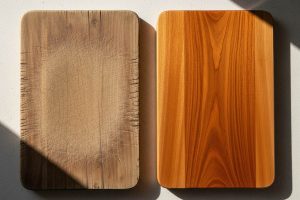
Maple’s closed grain allows shallow cuts to tighten back up as the board dries, helping maintain a smooth texture. When deeper marks or stains appear, light sanding restores the surface to near-new condition, extending the board’s usable life.
Sustainable and Cost-Effective Choice:
Sourced from sustainably managed North American forests, maple grows quickly and renewably. It offers the performance of high-end hardwoods like walnut at a more accessible price, making it both an eco-conscious and practical option for everyday cooks.
Read more: Acacia vs Maple Cutting Board: Which One Should You Choose?
Disadvantages
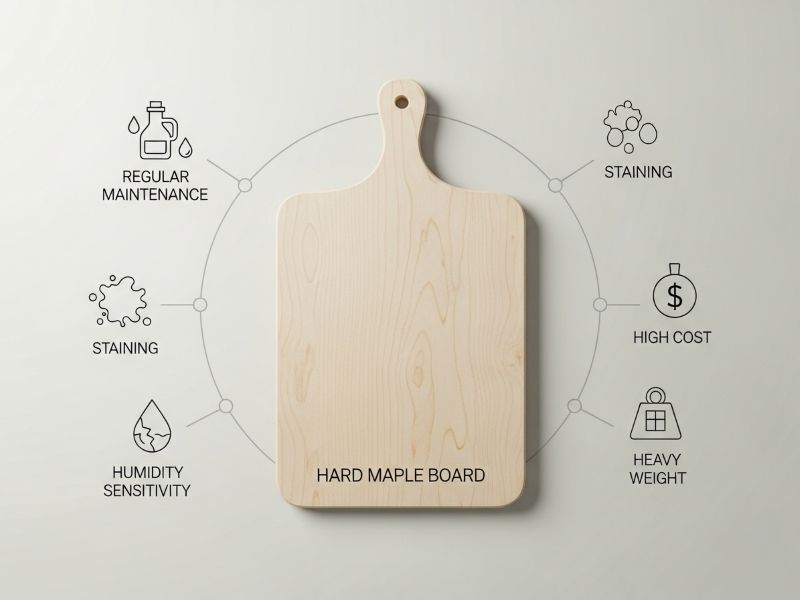
Maple requires attention to limitations that affect some users:
Regular Maintenance Required:
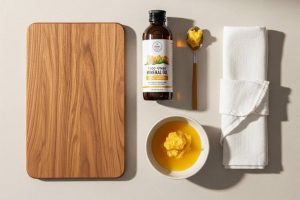
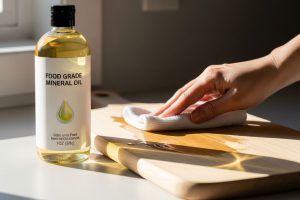
Wood requires regular oiling to avoid drying and cracking, with neglected boards developing splits in six months under heavy use. Most manufacturers suggest oiling every two to four weeks, depending on usage and climate. The maintenance can take 30 to 45 minutes monthly, which may deter casual users who prefer minimal upkeep.
Prone to Staining:
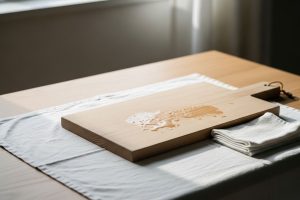
Maple shows staining from pigmented foods more readily than darker woods. Beets, turmeric, and berries leave visible marks that penetrate the wood’s light surface. While these stains rarely affect performance, they may concern users who prefer a pristine appearance.
Sensitive to Humidity Changes:
The material responds to humidity changes. In dry climates, maple can crack without adequate oil treatment. In humid regions, the wood may swell and warp if stored improperly. This behavior requires users to monitor their boards and adjust care routines based on local conditions.
Higher Initial Cost:
The initial cost exceeds that of plastic or bamboo alternatives. A quality maple board costs three to five times more than comparable synthetic options. However, this investment spreads over many years when the board receives proper maintenance.
Heavy Weight:
Weight becomes a factor with larger boards. A 20-by-15-inch maple cutting board weighs 8 to 12 pounds, making it less portable than thinner materials. Some users struggle with moving heavy boards for cleaning and storage.
Best Uses for Maple Boards
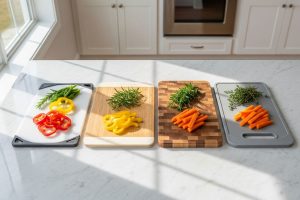
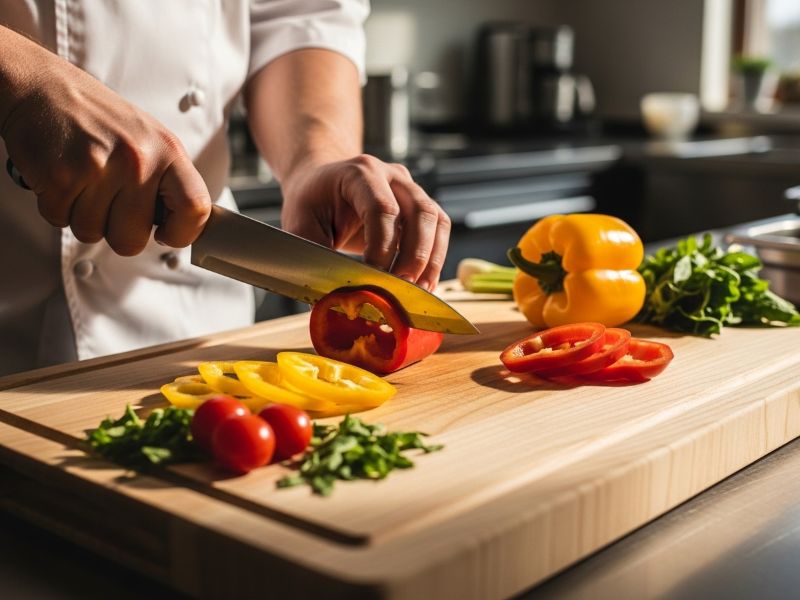
Maple cutting boards are versatile for all food preparation tasks. Their smooth surface helps with precise vegetable cuts, while their bacterial resistance makes them ideal for meat processing, able to handle heavy cleavers without splintering.
When Maple Shines Most
Certain situations highlight Maple’s core strengths:
Professional Kitchen Environments: Commercial settings demand materials that withstand constant use and maintain hygiene standards. Maple meets health department requirements while lasting through years of service. The wood’s reputation in professional kitchens validates its performance under demanding conditions.

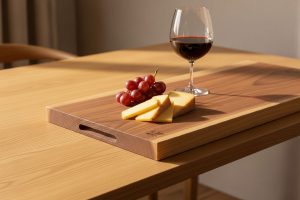
Display and Presentation: Maple’s light grain creates visual appeal for charcuterie and cheese boards. The wood’s natural beauty enhances food presentation without requiring finish treatments that might affect flavor. Many high-end restaurants use maple for tableside service.

Heavy Chopping Applications: Tasks requiring force, such as processing whole chickens or dense vegetables, suit maple’s durability. The wood absorbs impact without cracking or developing dangerous splinters. Users who frequently work with cleavers or heavy chef’s knives find maple particularly suitable.
Knife-Intensive Cooking Styles: Cooks who practice French, Japanese, or other cuisine traditions that emphasize knife skills benefit from maple’s edge-preserving qualities. The surface allows precise cuts without excessive sharpening between uses.
When Maple Might Not Be Ideal
Some situations call for alternative materials:
High-Humidity Regions: Areas with consistent humidity above 60 percent create challenges for wood maintenance. Maple boards in coastal or tropical climates require more frequent inspection and care. Users in these regions might consider plastic or composite materials that resist moisture-related damage.
Minimal Maintenance Preference: Cooks seeking the lowest possible upkeep should consider plastic cutting boards that go through dishwashers. Maple demands regular attention, which some users find inconvenient with busy schedules.
Extremely Limited Budget: While Maple offers value over time, the upfront cost may exceed what some households allocate for kitchen tools. Plastic boards provide adequate performance at a lower initial investment for users who plan to replace cutting surfaces frequently.
Read more:
Best Wooden Cutting Boards For Slicing, Chopping In 2025
Best Wood for Cutting Boards: Which Wood is Right for You?
Final Recommendation
Maple cutting boards deliver proven performance across professional and home kitchens. The material’s combination of durability, knife protection, and natural antibacterial properties justifies its widespread adoption. After examining maple against other options through years of kitchen use, the wood’s balanced characteristics stand out.
Ultimately, maple is the benchmark for cutting boards, meeting professional standards while being accessible to home cooks. A well-maintained maple board offers a reliable and lasting workspace.
Choose maple when you want a cutting board that protects your knives, resists bacteria naturally, and lasts through years of food preparation. Accept the maintenance commitment as part of owning a professional-quality tool. Maple remains unmatched for balanced performance and longevity in kitchen cutting surfaces. The investment in a quality maple board pays returns through thousands of meals prepared on a surface that values both your ingredients and your blades.